We are glad to share with you about the results of our work, company news, and give you timely developments and personnel appointment and removal conditions.
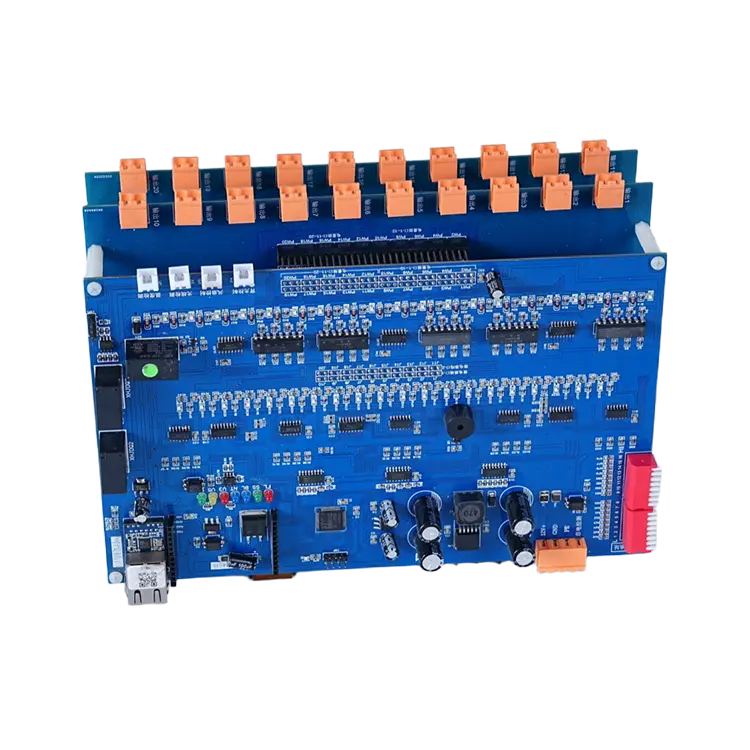
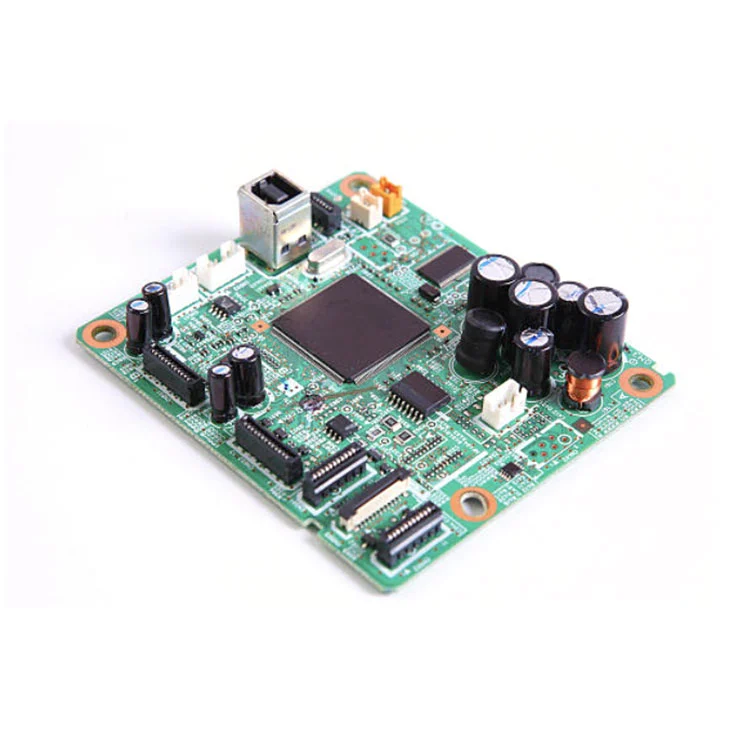
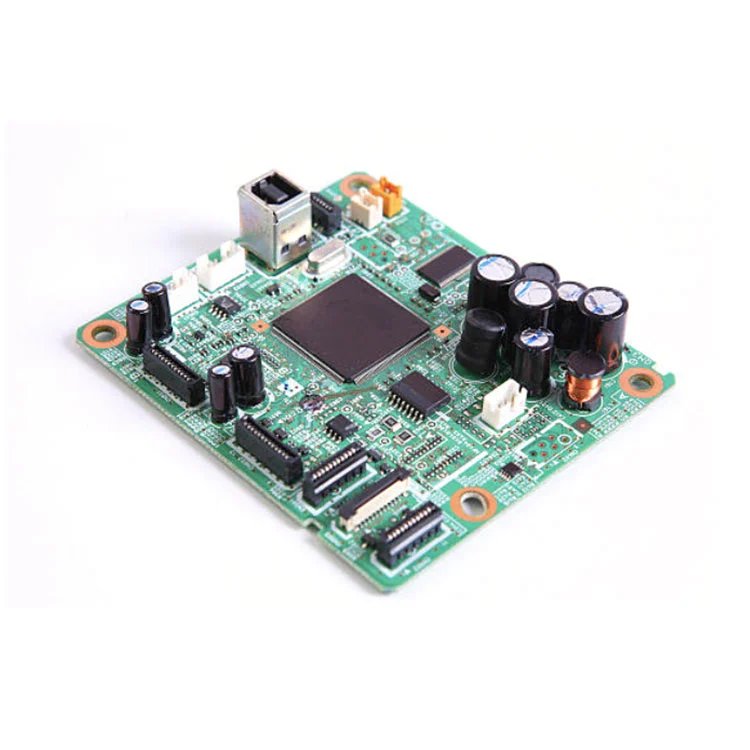
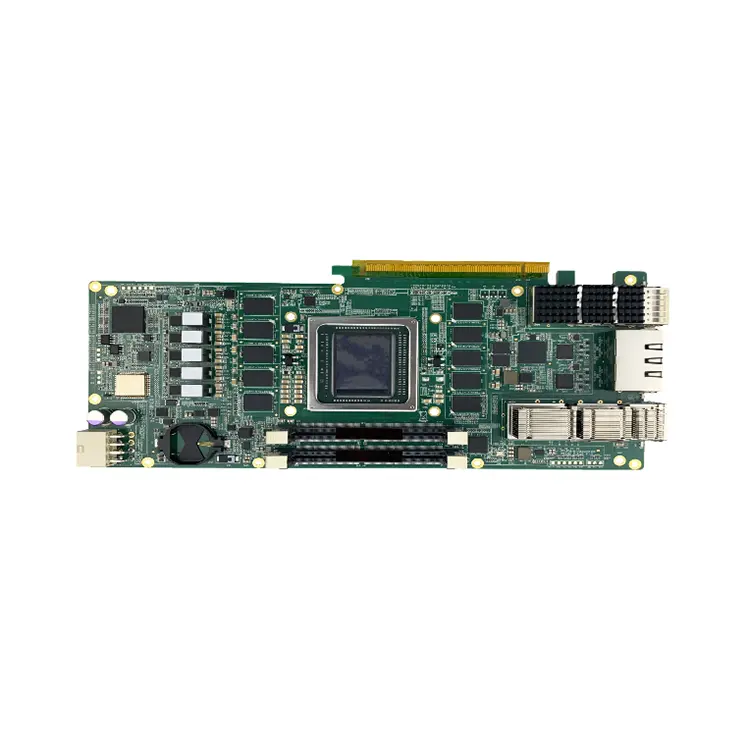
In today's fast-moving electronics industry, PCB Design and Assembly plays a decisive role in transforming ideas into reliable, market-ready products. At Shenzhen Fanway Technology Co., Ltd, we provide integrated services that combine precision engineering, stable functionality, and manufacturing efficiency. As I explore how each stage supports product success, you will also notice how PCB Design and Assembly empowers innovation across multiple industries.
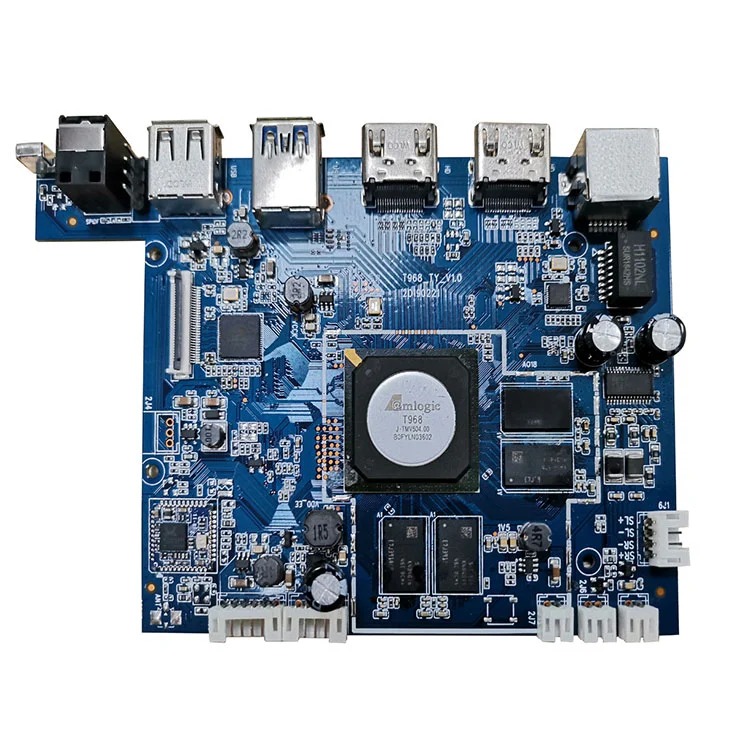
When I first joined FANWAY, our mission was simple — to provide high-quality PCB Assembly services that bring our clients’ designs to life efficiently and reliably. Over the years, I’ve learned that many customers are still unsure about what PCB assembly actually involves, what factors affect quality, and how to choose the right supplier.
In today's fast-paced electronics industry, product complexity and performance requirements continue to rise. As devices become smaller yet more powerful, manufacturers seek efficient and cost-effective ways to integrate multiple technologies into one board. This is where Mixed PCB Assembly comes in — a hybrid process that combines both Through-Hole Technology (THT) and Surface Mount Technology (SMT) on a single printed circuit board.
Through-Hole Technology (THT) PCB Assembly remains one of the most dependable and time-tested techniques in electronic manufacturing. While Surface Mount Technology (SMT) has gained popularity for its miniaturization capabilities, THT PCB Assembly continues to be the preferred solution for products that demand strength, longevity, and mechanical stability. At Shenzhen Fanway Technology Co., Ltd, we specialize in providing high-quality THT PCB Assembly services that meet the stringent demands of industrial, automotive, and power electronics applications.
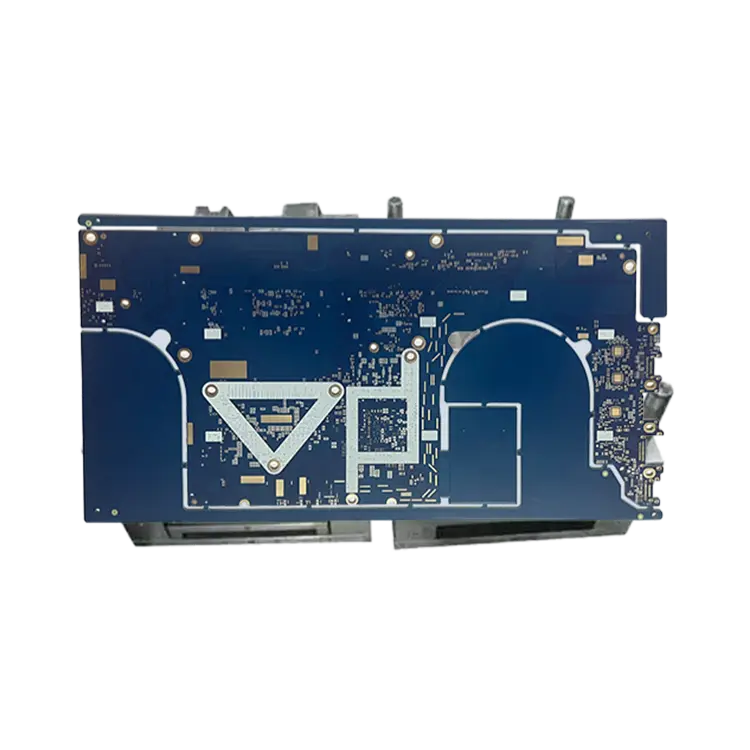
Ceramic PCBs (Printed Circuit Boards) are rapidly gaining traction in industries demanding high thermal performance, reliability, and miniaturization. Unlike traditional FR4 boards, ceramic PCBs use ceramic materials as the substrate, offering superior heat dissipation, mechanical strength, and electrical insulation.
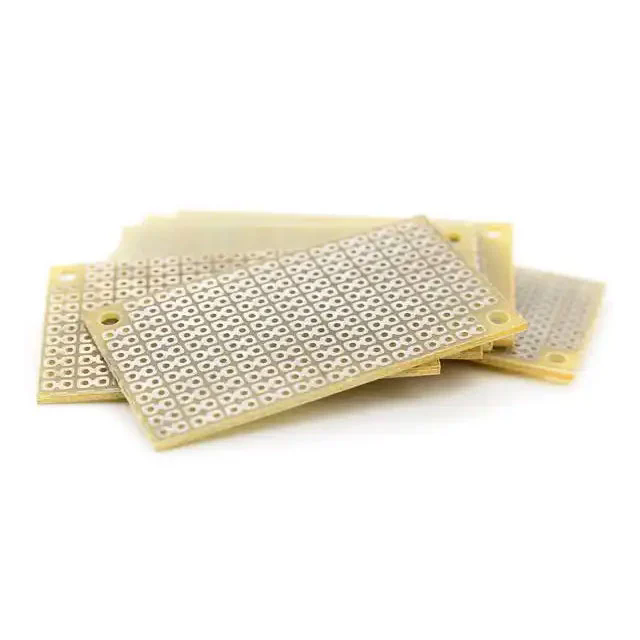
Printed Circuit Board (PCB) is the backbone of virtually all electronic devices—from consumer gadgets to industrial control systems. The board provides the mechanical support and electrical interconnection among electronic components. In today’s electronics-driven world, the design, material, and fabrication quality of a PCB are critical for performance, reliability, and cost.
We use cookies to offer you a better browsing experience, analyze site traffic and personalize content. By using this site, you agree to our use of cookies.Privacy Policy