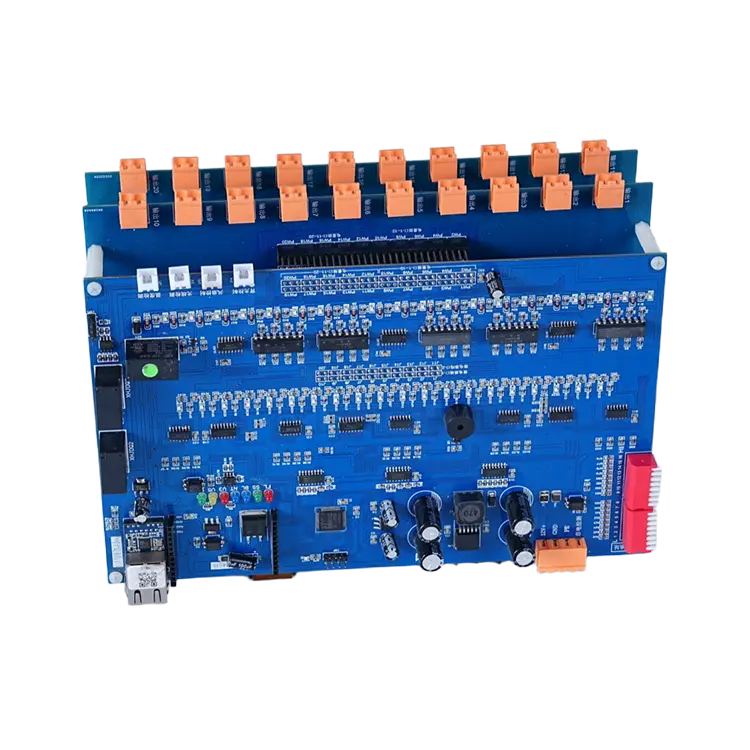
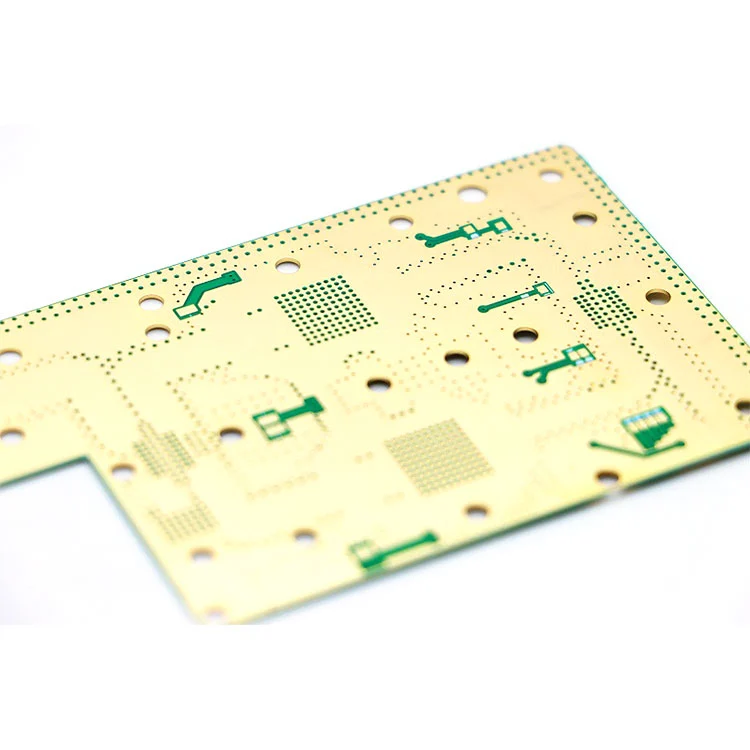
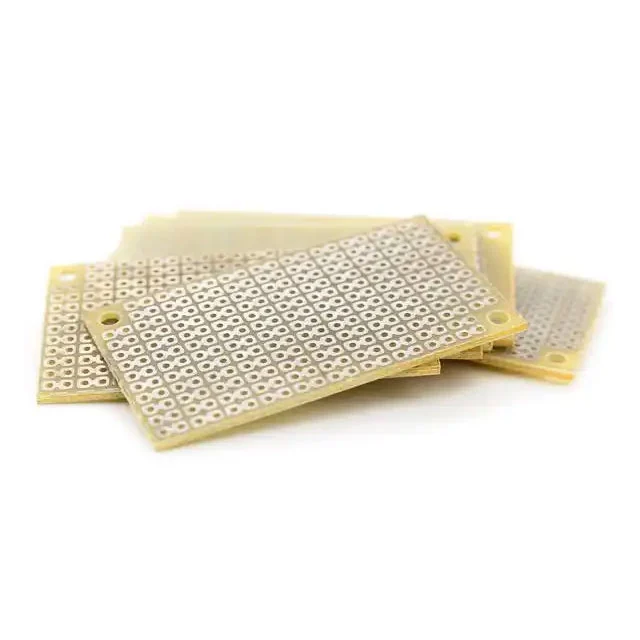
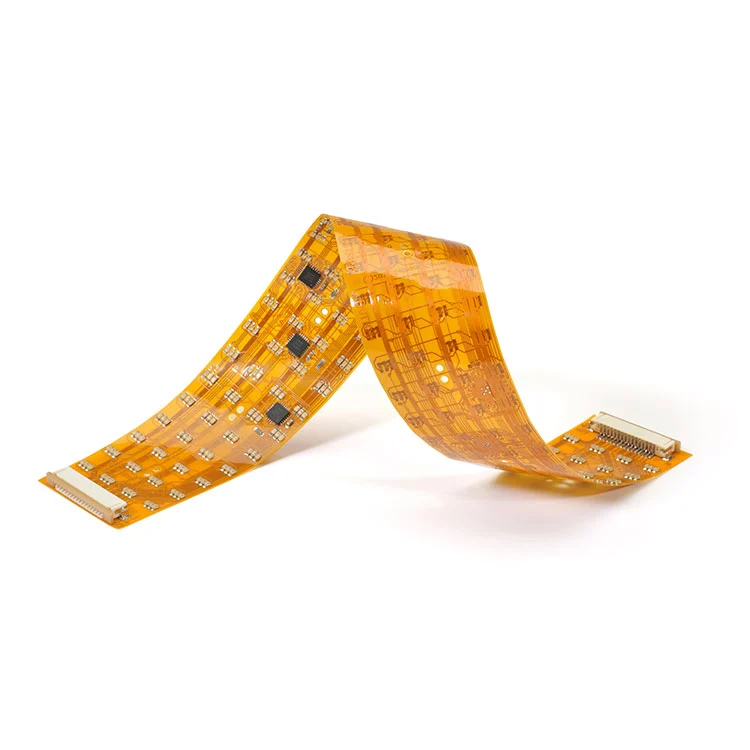
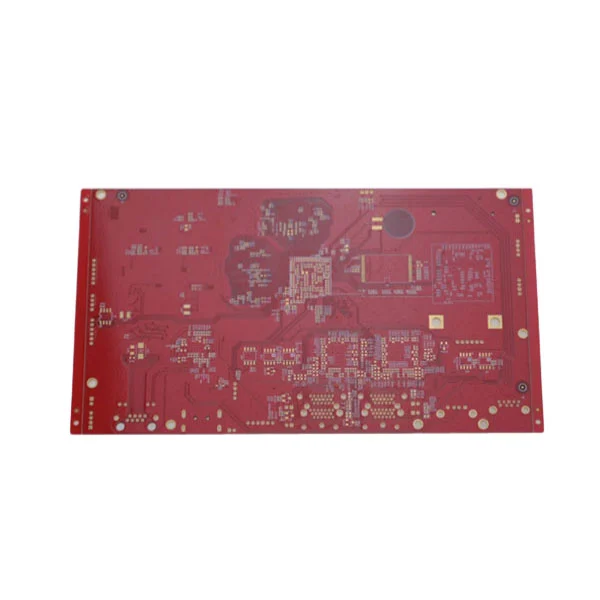
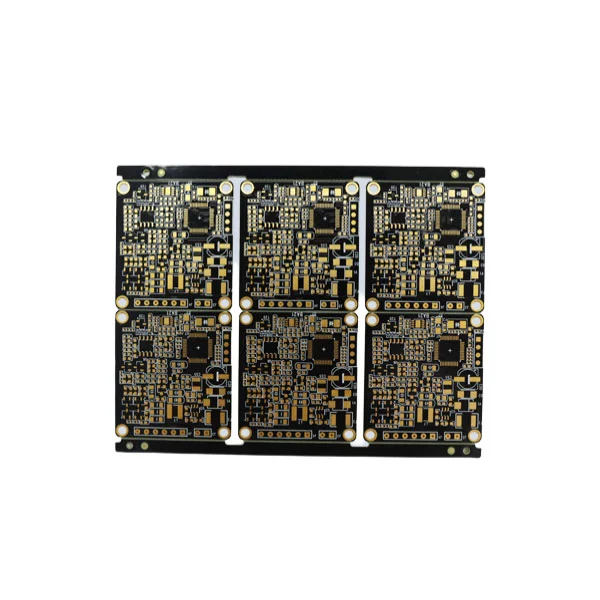
When it comes to PCB assembly, many manufacturers and engineers often ask, "How can I ensure high-quality PCB assembly for my project?" The answer lies in understanding the intricate process, materials, and technology involved. PCB assembly is a critical step in electronics manufacturing, where components are mounted onto a printed circuit board to create a functional unit. The quality of assembly directly impacts performance, durability, and reliability.
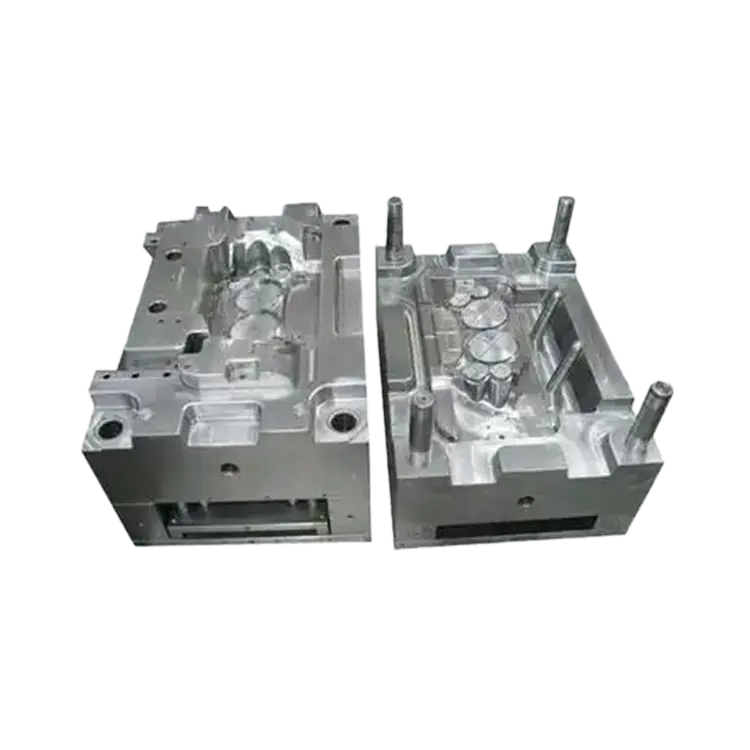
Precision molding has revolutionized the manufacturing industry by enabling the production of high-accuracy, complex components with minimal waste. But why is it becoming the go-to solution for industries ranging from medical devices to automotive parts? The answer lies in its unmatched consistency, efficiency, and ability to meet tight tolerances.
In the fast - paced world of electronics manufacturing, every component matters. From the smallest resistor to the most complex microchip, each part plays a vital role in the functionality and reliability of the final product. At the heart of nearly every electronic device lies the printed circuit board (PCB), and the way it’s assembled—PCB assembly—can make or break a product’s performance, durability, and cost - effectiveness. But why is professional PCB assembly so crucial? In this in - depth guide, we’ll explore the reasons behind its significance, the key aspects of the process, how to choose the right assembly partner, and much more. Whether you’re a startup launching a new gadget or an established manufacturer scaling production, understanding the importance of professional PCB assembly is essential for success.
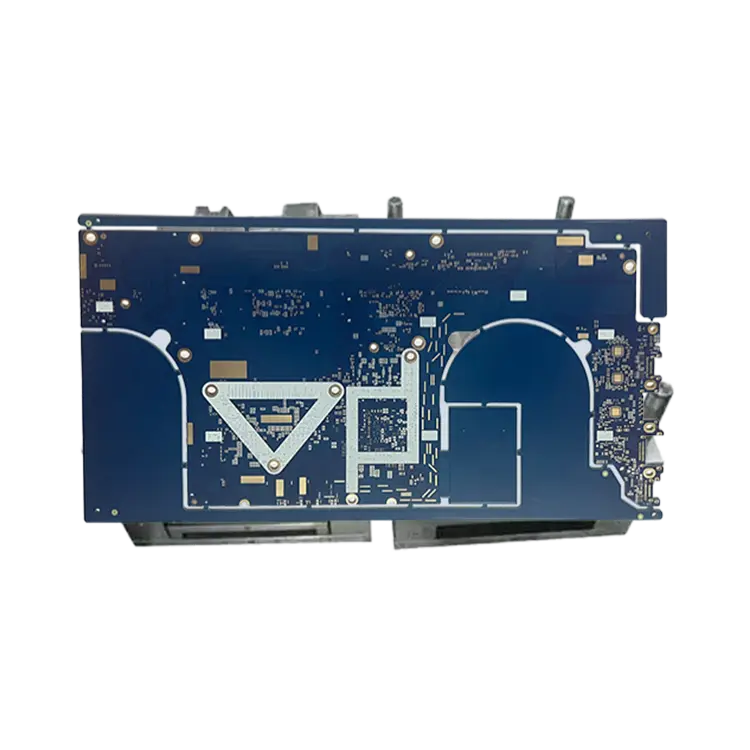
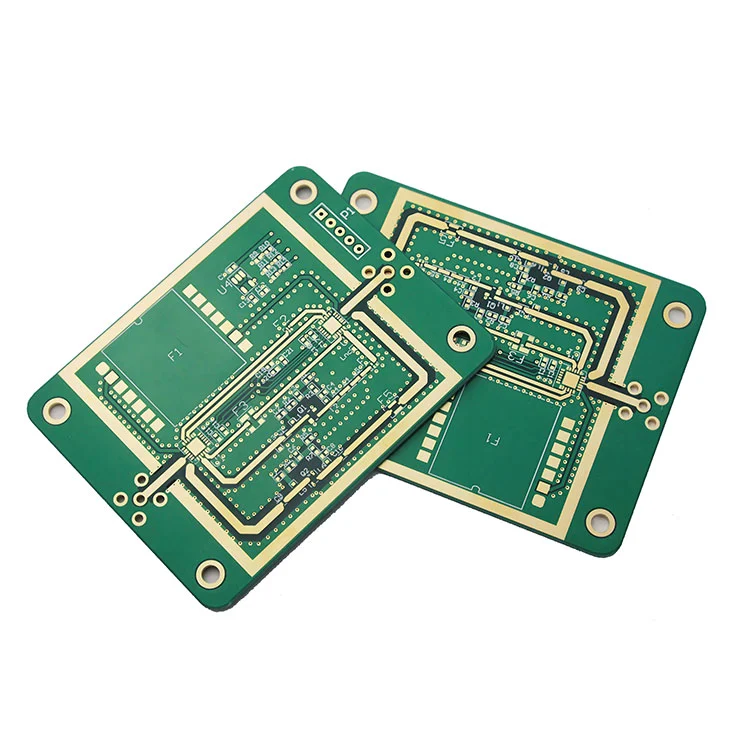
Printed circuit boards are used in a variety of fields, including consumer electronics and industrial control. They are the core of electronic devices and rely on custom designs to become the "nerve center" of their efficient operation.
Printed circuit board production is kept clean through clean environment, process cleaning, equipment and material control, and full-process testing to reduce defective rates and ensure performance.
PCB Testing is a critical phase in electronics manufacturing that ensures quality, functionality, and reliability of Printed Circuit Boards (PCBs). Testing can find problems promptly and help designer resolve issues quickly. PCB testing involves bare board testing and assembled board testing.
We use cookies to offer you a better browsing experience, analyze site traffic and personalize content. By using this site, you agree to our use of cookies.
Privacy Policy