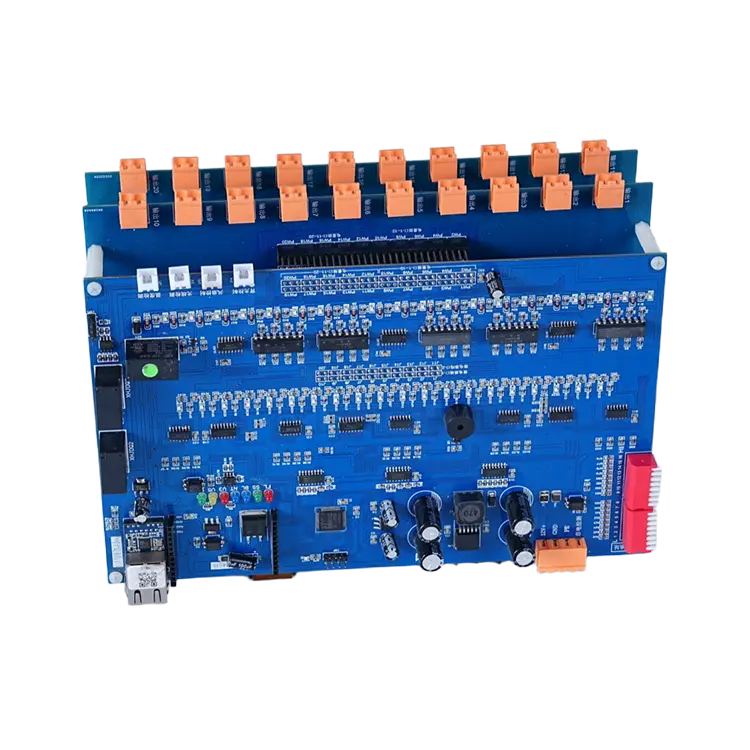
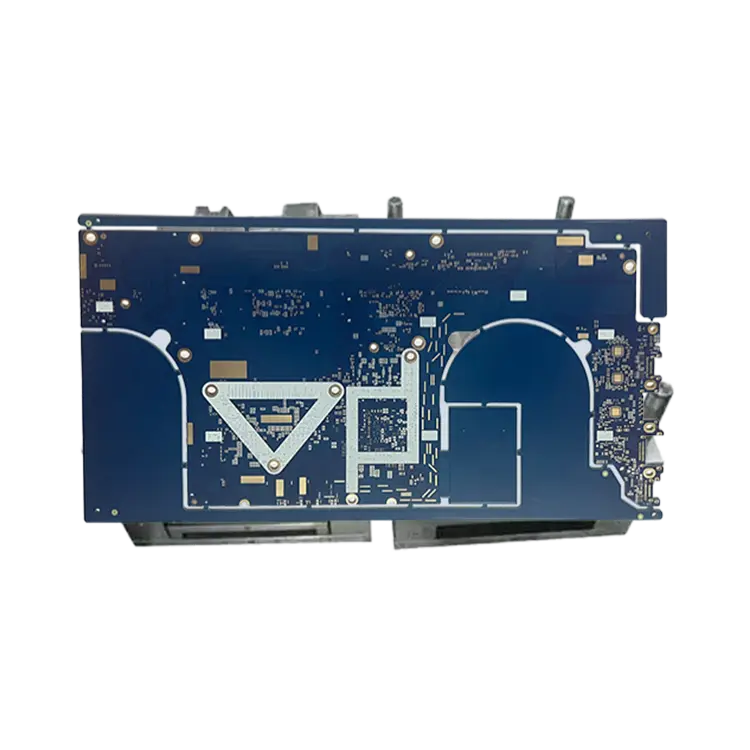
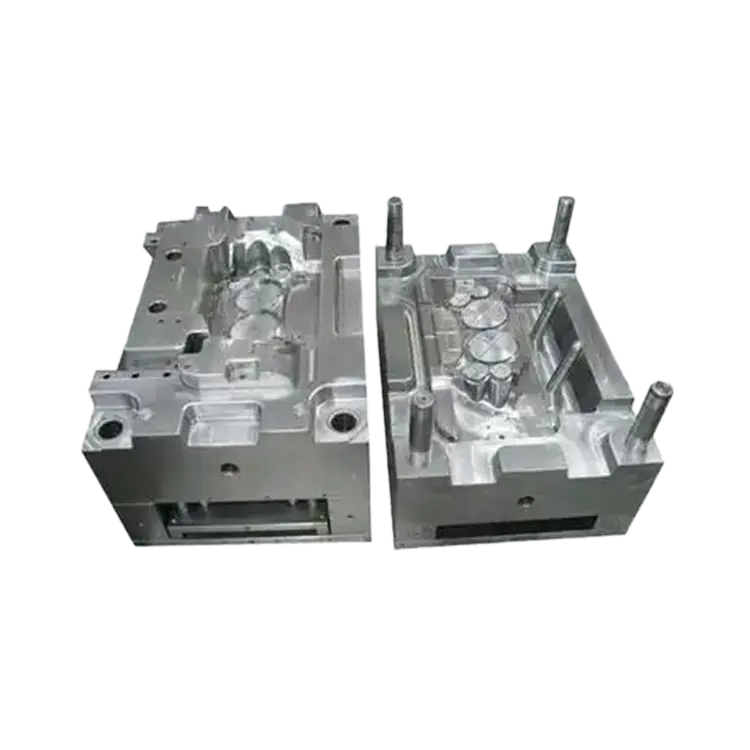
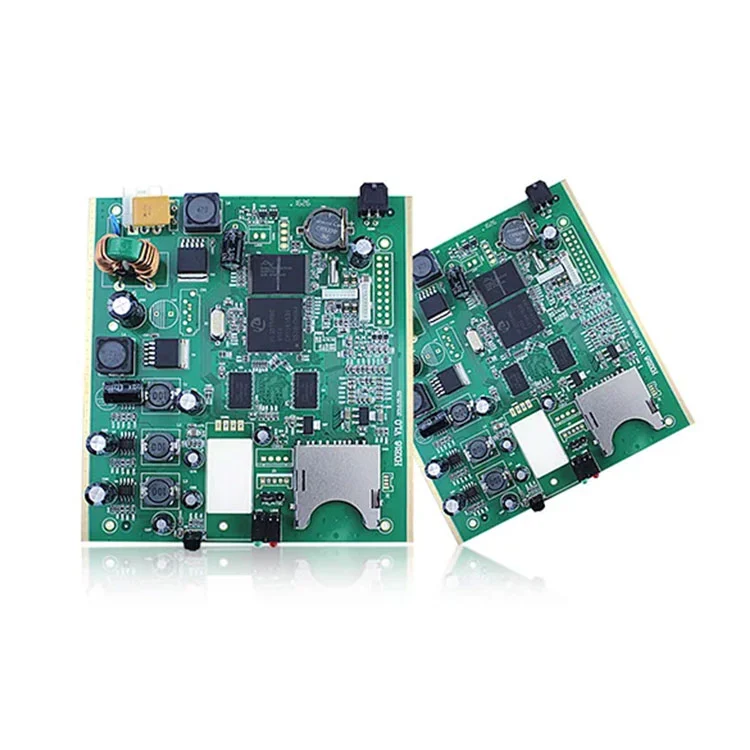
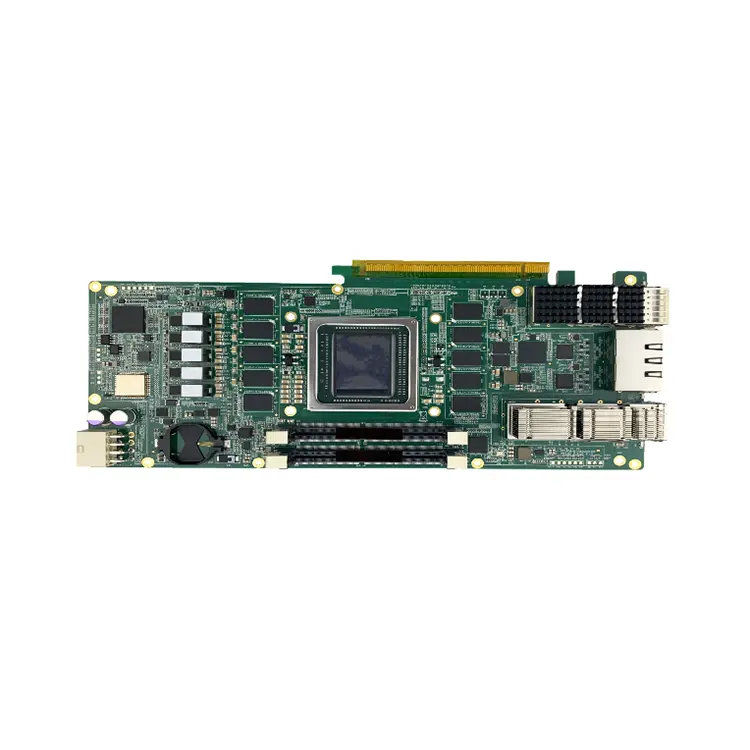
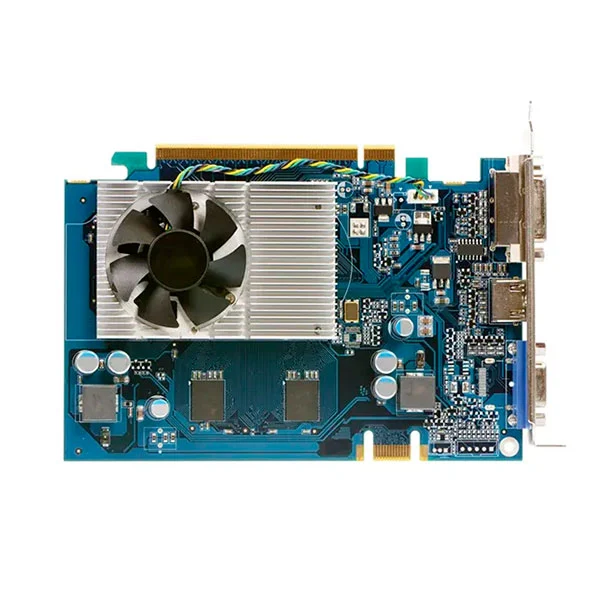
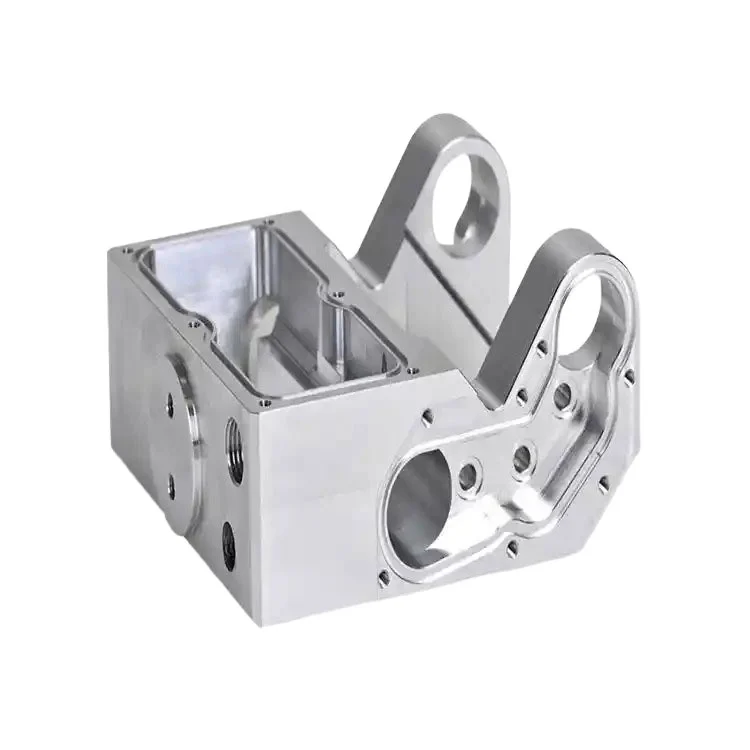
In the rapidly evolving electronics industry, Box Build Assembly stands as a cornerstone process that integrates mechanical, electrical, and electronic systems into a single, fully functional product. It extends beyond traditional PCB (Printed Circuit Board) assembly by encompassing a complete system-level integration — including cables, enclosures, sub-assemblies, and software installation.
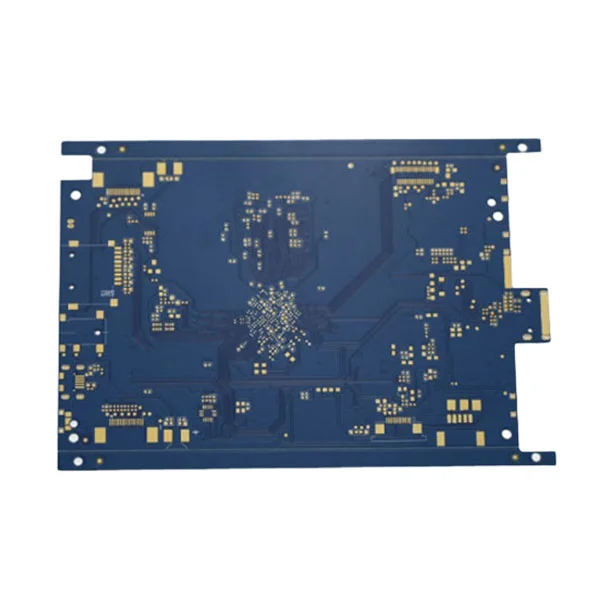
Printed Circuit Boards (PCBs) are the silent backbone of today’s electronics. Whether in a smartphone, automotive control system, medical scanner, or aerospace navigation module, PCBs provide the physical and electrical foundation that connects all components. Understanding how they work begins with recognizing the shift they brought to technology. Before PCBs, wiring was done manually with point-to-point connections. This method was not only prone to errors but also limited scalability. PCBs solved these issues by offering standardized and layered structures that ensure compact design, reliability, and mass production efficiency.
Printed Circuit Boards (PCBs) form the backbone of modern electronic products, from consumer gadgets to medical devices and automotive systems. The demand for efficient and cost-effective PCB solutions has led to the rise of Turnkey PCB Assembly—a streamlined, one-stop manufacturing service that covers the entire process from component sourcing to assembly and quality testing.
In the electronics manufacturing sector, efficiency, reliability, and scalability are essential. Box Build Assembly has emerged as a key solution to meet these demands.
In today’s rapidly advancing electronics industry, the demand for devices that can handle higher power loads, withstand extreme operating conditions, and maintain reliability over extended lifespans has never been greater. At the heart of this challenge lies the printed circuit board (PCB), the foundation upon which every electronic system is built. While standard PCBs are widely used, heavy copper PCBs have gained prominence for applications where current carrying capacity, thermal management, and durability are critical.
In today’s digital era, almost every modern device—from smartphones and medical equipment to automotive control systems—relies on a printed circuit board (PCB). While single-layer and double-layer PCBs have been widely used for decades, the demand for more powerful and compact devices has made Multilayer PCBs the industry standard in high-performance electronics.
We use cookies to offer you a better browsing experience, analyze site traffic and personalize content. By using this site, you agree to our use of cookies.
Privacy Policy