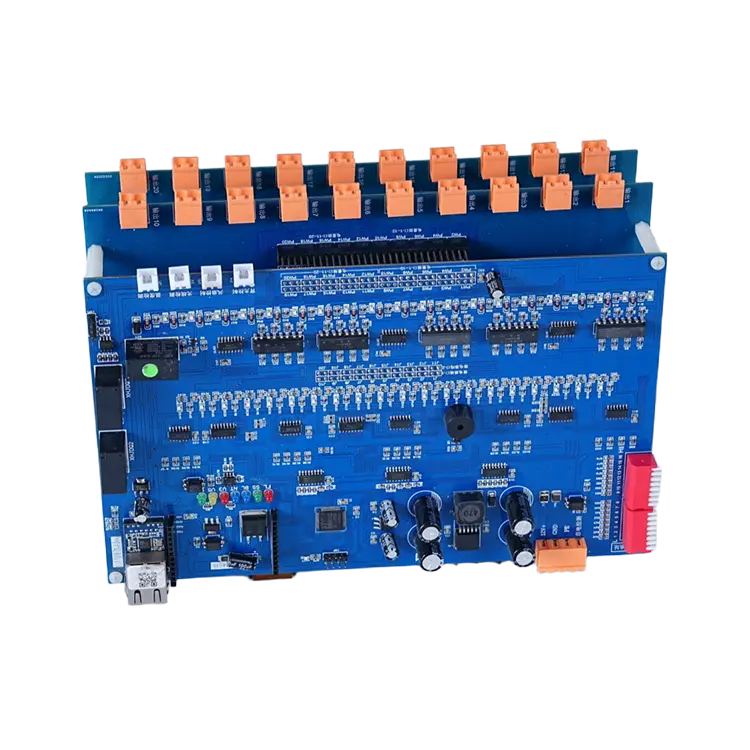
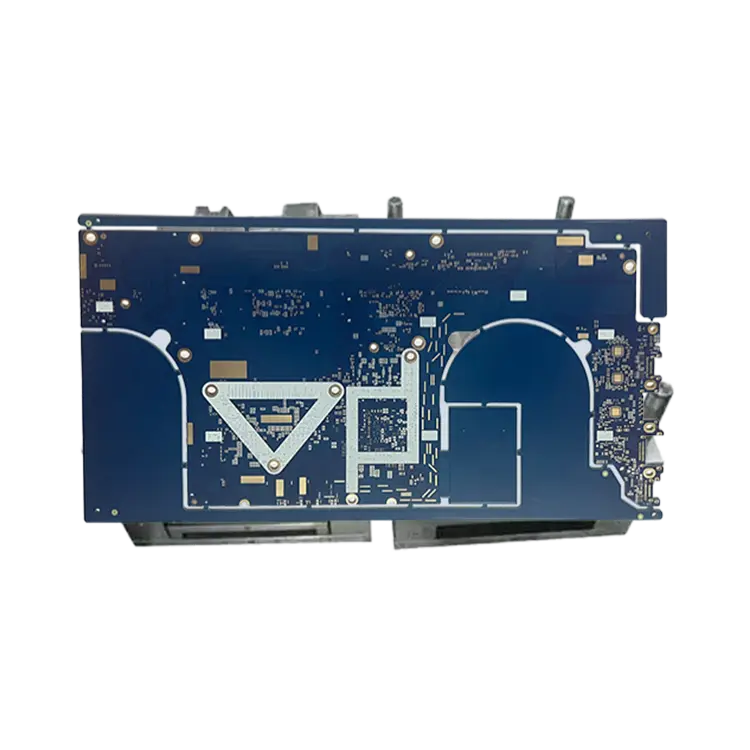
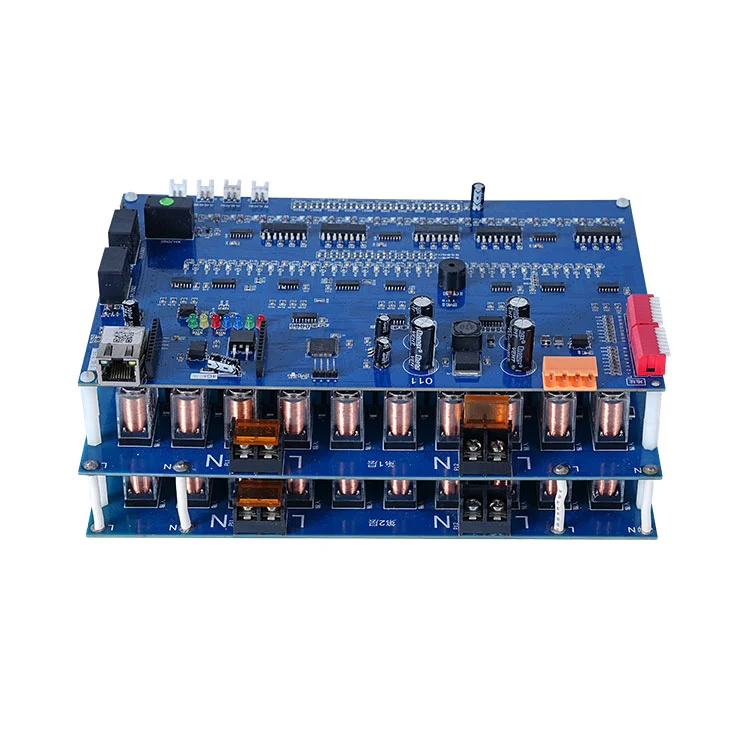
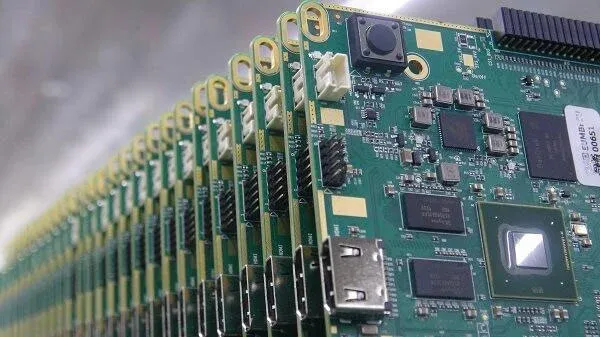
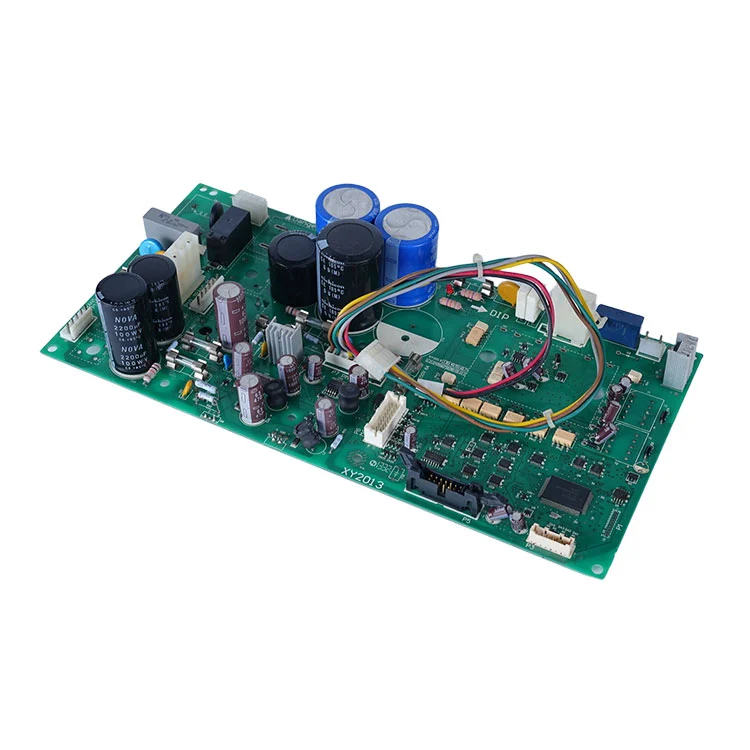
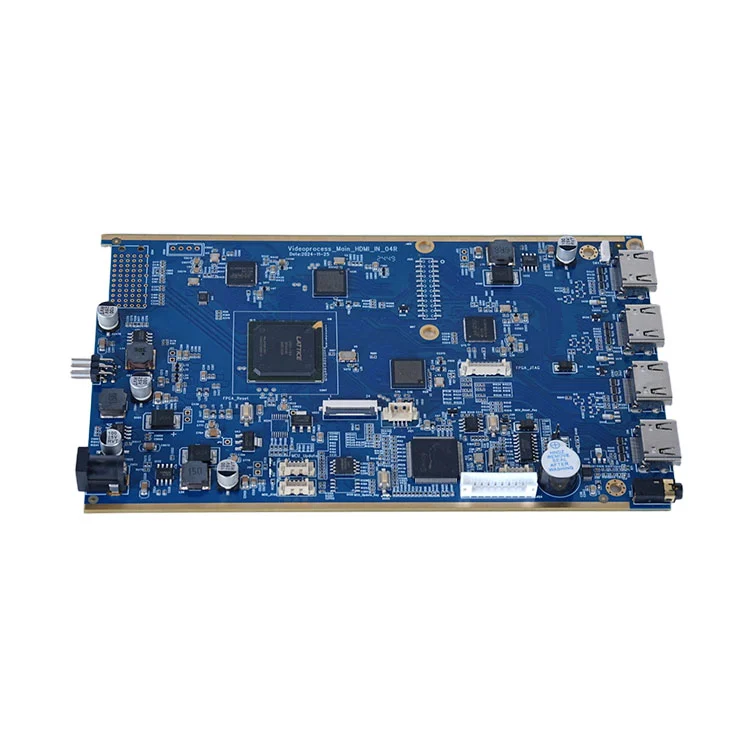
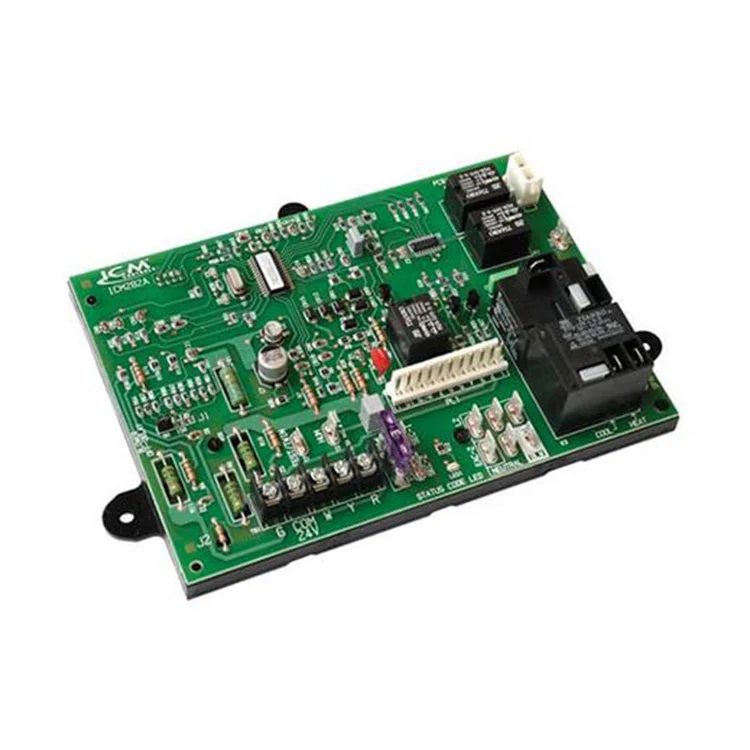
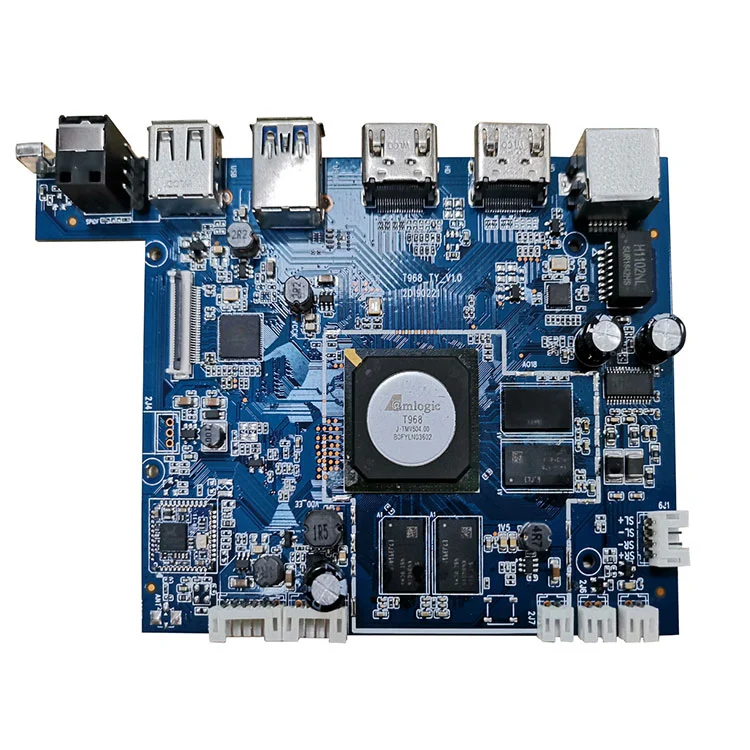
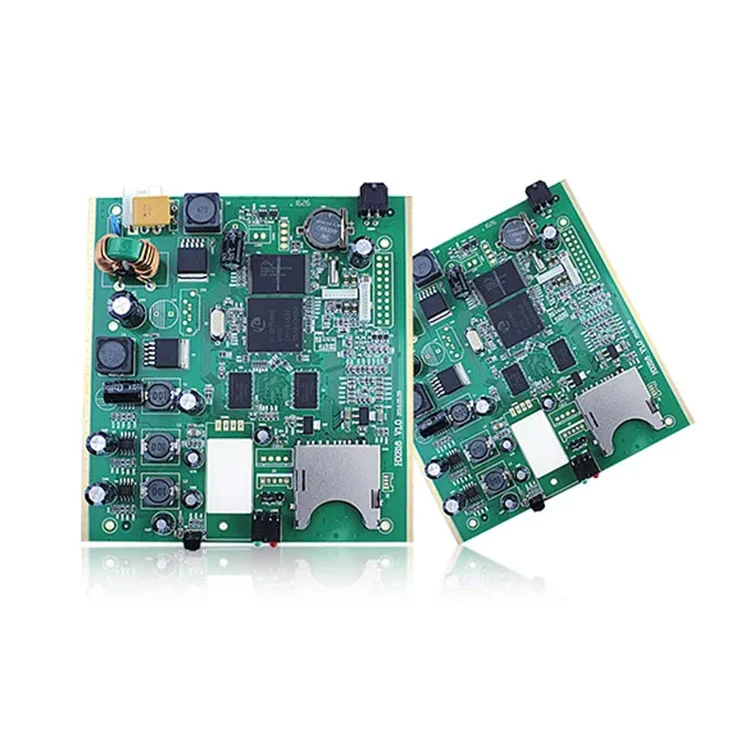
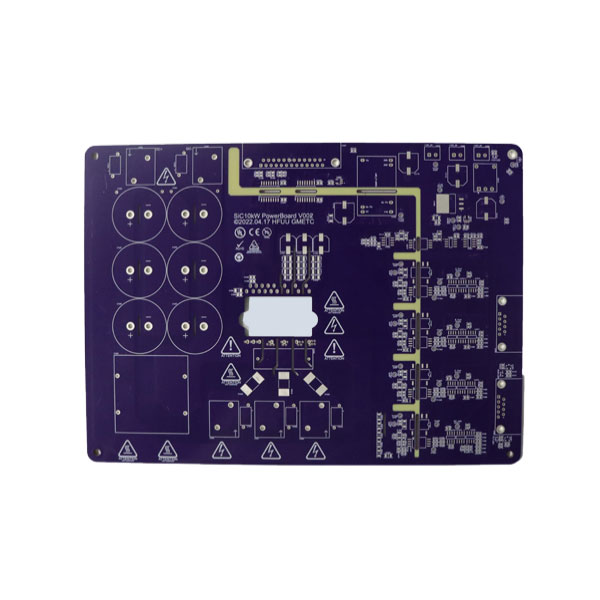
Fanway specializes in delivering efficient and reliable end-to-end PCB assembly services, precisely tailored to your unique requirements to accelerate your product success.
High Precision Micro BGA Ball Grid Array PCB Assembly
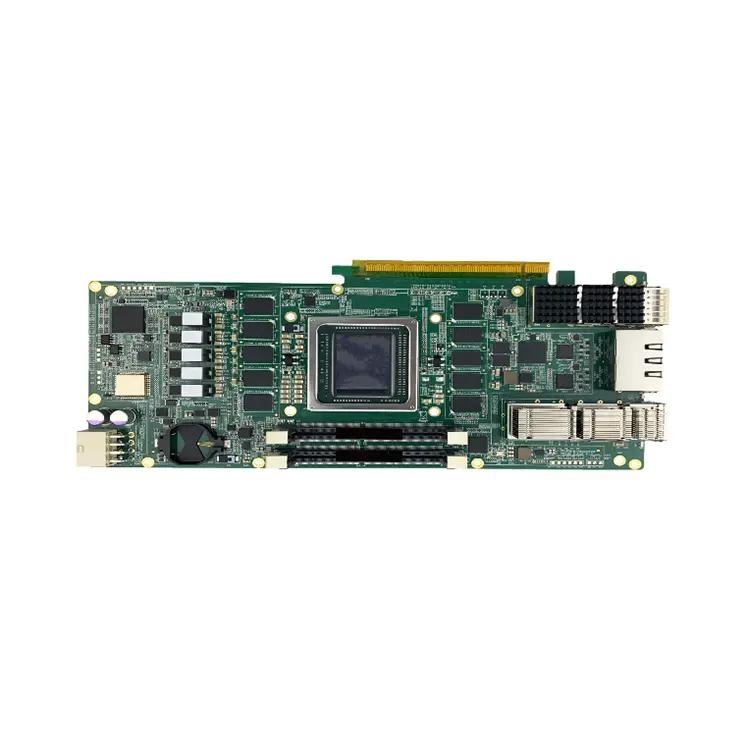
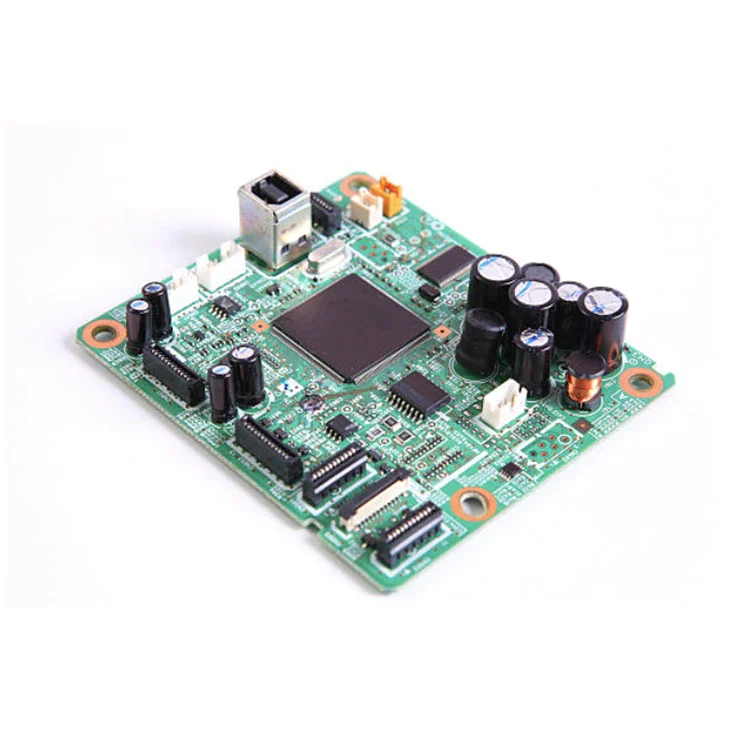
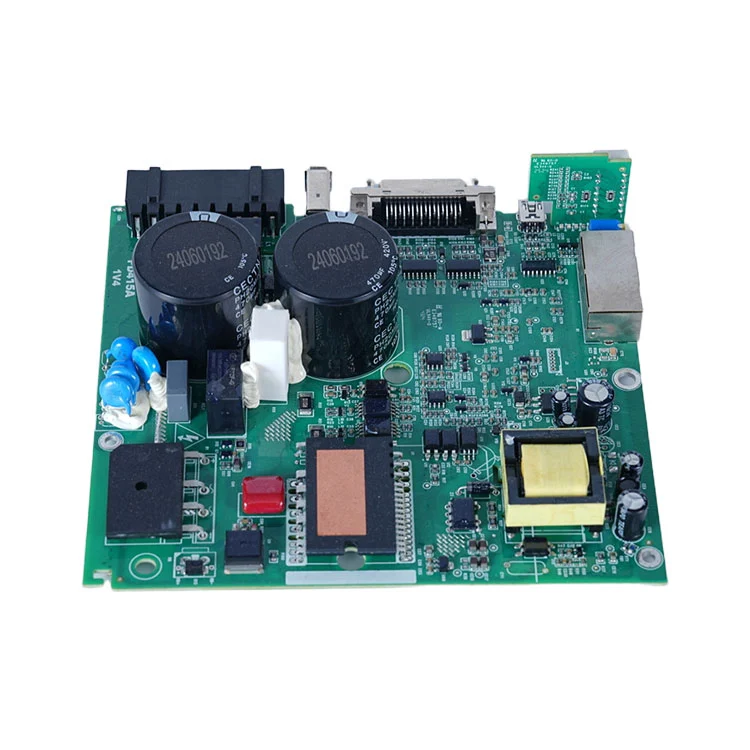
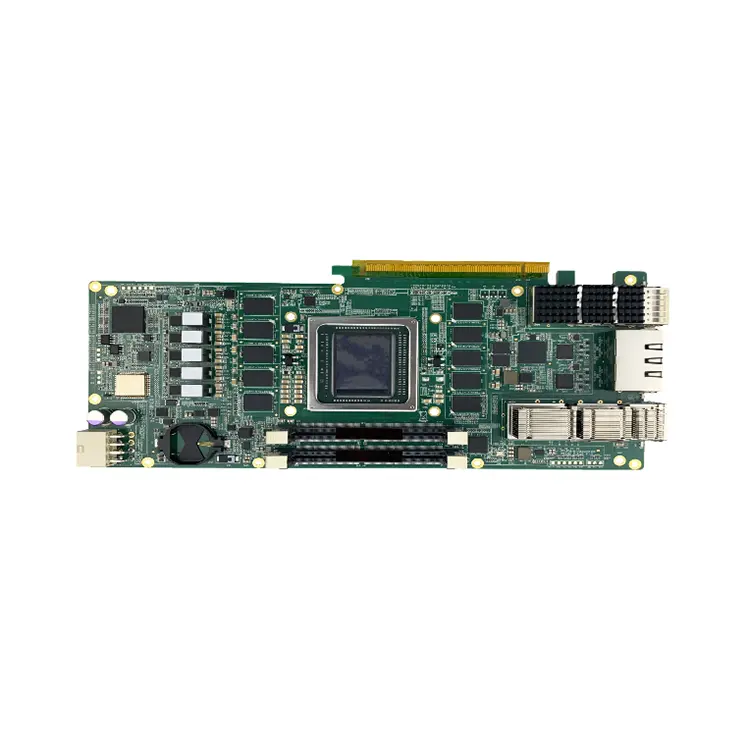
Fanway, is a China-located PCB assembly manufacturer, provides High Precision Micro BGA Ball Grid Array PCB Assembly services for applications requiring high-density interconnections and compact footprints. The service covers the full spectrum from prototype development through volume production, including component sourcing, precision placement, controlled reflow soldering, X-ray inspection, and BGA rework and reballing as needed. This Fine Pitch BGA PCB Board Assembly service is built for AI processors, telecommunications equipment, medical devices, and industrial control systems where connection density and signal integrity are non-negotiable.
The High Precision Micro BGA Ball Grid Array PCB Assembly service by Fanway combines precision placement equipment, controlled thermal profiling, and 2D/3D X-ray inspection to achieve reliable solder joints under the component body. Placement accuracy supports fine-pitch BGAs down to 0.25mm, with reflow profiles calibrated to prevent voiding, warpage, and head-in-pillow defects. The BGA Printed Circuit Boards Manufacturing service includes PCB layout optimization for BGA routing, component sourcing through authorized supply chains, and post-assembly inspection against IPC-A-610 acceptance criteria. For boards requiring component replacement or upgrade, the service provides BGA removal, pad cleaning, reballing, and reattachment using controlled thermal profiles.
What Is BGA PCB Assembly?
BGA (Ball Grid Array) PCB assembly is the process of mounting Ball Grid Array components onto a printed circuit board using surface mount technology. Unlike traditional packages with leads around the perimeter, BGA components have an array of solder balls arranged in a grid on the underside of the device. During assembly, the BGA is placed onto solder-pasted pads and passed through a reflow oven, where the solder balls melt to form both electrical and mechanical connections. Because the joints are hidden beneath the component body, standard visual inspection cannot verify solder quality; X-ray inspection is required.
BGA Package Types and Usages
Package Type
Full Name
Substrate Material
Characteristics
Typical Applications
PBGA
Plastic BGA
Plastic
Cost-effective, moderate thermal performance
Microcontrollers, memory modules
CBGA
Ceramic BGA
Ceramic
Hermetic sealing, high reliability, CTE mismatch with PCB
Aerospace, military, high-reliability systems
FCBGA
Flip-Chip BGA
Ceramic or high-performance plastic
Short signal paths, low inductance, excellent thermal performance
High-performance CPUs, GPUs, AI processors
Micro BGA
Micro BGA
Plastic or organic
Fine pitch (below 0.5mm), compact footprint
Smartphones, wearables, portable devices
BGA Assembly Process
The High Precision Micro BGA Ball Grid Array PCB Assembly process follows a controlled sequence to ensure joint reliability:
1. PCB preparation and solder paste application
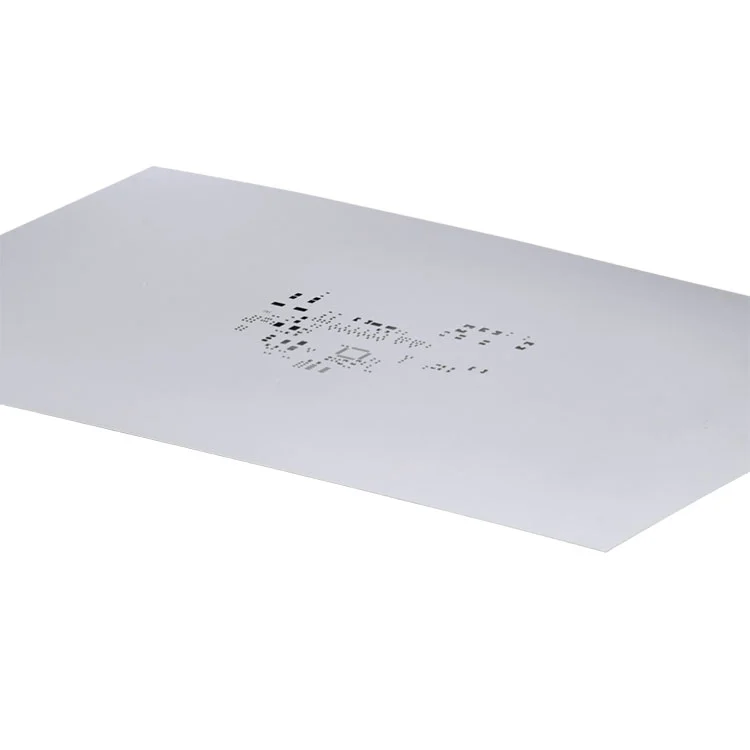
Solder paste is printed onto the PCB pads using a stencil. Paste volume and alignment are critical; insufficient paste leads to opens, while excess paste causes bridging.
2. BGA placement
The BGA component is placed onto the solder-pasted pads using automated pick-and-place equipment with vision alignment. Placement accuracy must be within microns to ensure each solder ball aligns with its corresponding pad.
3. Reflow soldering
The assembled board passes through a reflow oven with a controlled thermal profile. The profile includes preheat, soak, reflow, and cooling stages, each calibrated to the specific BGA package and solder alloy (SAC305 lead-free or Sn63Pb37 eutectic). Proper profiling prevents voiding, warpage, and head-in-pillow defects.
4. Cooling and solidification
The board is cooled at a controlled rate to solidify the solder joints. Rapid cooling can induce stress; slow cooling can cause grain growth. The cooling rate is matched to the board and component materials.
5. Inspection
X-ray inspection is mandatory for BGA assemblies because the joints are optically hidden. 2D X-ray provides top-down imaging for joint shape and alignment; 3D X-ray (CT) provides cross-sectional views for void analysis and defect detection Voiding percentage is measured against IPC-A-610 acceptance criteria.
6. Secondary processes
Depending on requirements, boards may undergo cleaning, conformal coating, or functional testing after BGA assembly.
How We Control and Inspection Quality?
High Precision Micro BGA Ball Grid Array PCB Assembly present unique inspection challenges because the solder joints are hidden. Fanway employs multiple inspection methods to verify joint integrity:
X-ray inspection (2D and 3D)
X-ray provides non-destructive imaging of all BGA solder joints. Good joints appear consistently circular with uniform size across the array. X-ray detects voids, bridging, opens, head-in-pillow defects, and insufficient wetting. Voiding percentage is calculated and compared against IPC-A-610 acceptance limits.
Automated optical inspection (AOI)
While AOI cannot see through the BGA body, it inspects component alignment, coplanarity, and surrounding solder joints. It also verifies the presence and correct orientation of the BGA.
In-circuit testing (ICT)
ICT verifies electrical connectivity of the BGA to the PCB, checking for shorts, opens, and correct component values.
Functional testing
The assembled board is tested under operating conditions to confirm the BGA performs to specification.
BGA Rework and Reballing
When a component of High Precision Micro BGA Ball Grid Array PCB Assembly is defective or requires replacement, BGA rework is performed using specialized equipment and controlled thermal profiles. The process includes:
1. Component removal: The board is preheated from below to prevent warping. A top heater applies a localized thermal profile to melt the solder balls. A vacuum pickup tube lifts the component once the solder is molten. Forcing or prying the component is avoided to prevent pad damage.
2. Pad cleaning – Residual solder is removed from the PCB pads using desoldering braid and flux. The pads are cleaned and inspected for damage.
3. Reballing – For components that will be reused, old solder balls are removed and new solder spheres are attached using a reballing stencil and reflow. The component is fluxed, aligned with the stencil, and heated to attach the new spheres.
3. Component replacement – The reballed or new component is aligned to the PCB pads and reflowed using a controlled thermal profile.
4. Post-rework inspection – X-ray inspection confirms the rework was successful and the new joints meet acceptance criteria.
Applications
High Precision Micro BGA Ball Grid Array PCB Assembly is essential for applications requiring high I/O density, signal integrity, and thermal performance:
AI and high-performance computing: GPUs, AI accelerators, and server processors use large FCBGA packages with thousands of connections.
Telecommunications: 5G baseband chips, network processors, and switching ASICs require fine-pitch BGA for high-speed data transmission.
Medical devices: Diagnostic imaging equipment, patient monitors, and portable medical instruments use BGA for compact, reliable electronics.
Industrial control: PLCs, motor drives, and automation controllers use BGA for processing and communication functions.
Consumer electronics: Smartphones, tablets, and wearables use micro BGA for space-constrained designs.
Why Fanway for BGA PCB Assembly?
Precision placement capability
Fanway's placement equipment supports fine-pitch BGA down to 0.25mm, with vision alignment ensuring each solder ball aligns to its pad. Placement accuracy is maintained through automated calibration and real-time feedback.
Controlled reflow profiling
Reflow ovens with multi-zone temperature control enable precise thermal profiles for different BGA package types and solder alloys. Profiles are developed and validated for each assembly to prevent voiding and warpage.
X-ray inspection
2D and 3D X-ray inspection systems verify joint quality for every BGA on every board. Voiding percentage is measured and documented.
BGA rework and reballing
Fanway provides BGA removal, pad cleaning, reballing, and replacement services using dedicated rework stations with split-vision optics and controlled thermal profiles. Rework is performed to IPC-7711/7721 standards.
End-to-end service
From PCB layout optimization for BGA routing through component sourcing, assembly, inspection, and rework, Fanway provides complete BGA PCB assembly services through a single point of contact.
Certifications
Fanway holds ISO9001, ISO13485, and IATF16949 certifications, with assembly processes compliant to IPC-A-610 and IPC-7095 standards.
Common FAQ
Q: What is the minimum BGA pitch Fanway can assemble?
A: Fanway supports BGA assembly down to 0.25mm pitch. Standard pitches include 1.0mm, 0.8mm, 0.65mm, 0.5mm, and 0.4mm.
Q: What inspection is performed on BGA assemblies?
A: X-ray inspection (2D and 3D) is mandatory for all BGA assemblies. Voiding percentage is measured against IPC-A-610 criteria. AOI, ICT, and functional testing are also performed as required.
Q: Can Fanway rework a BGA that has failed?
A: Yes. Fanway provides BGA removal, pad cleaning, reballing, and replacement using dedicated rework stations with controlled thermal profiles. Rework is performed to IPC-7711/7721 standards.
Q: What is the typical lead time for BGA PCB assembly?
A: Prototype BGA assemblies typically ship within 5 to 7 working days. Volume orders are scheduled based on component availability and board complexity.
Q: What BGA package types does Fanway support?
A: Fanway supports PBGA, CBGA, FCBGA, and micro BGA packages. Component sourcing is handled through authorised supply chains to ensure authenticity.
Hot Tags: High Precision Micro BGA Ball Grid Array PCB Assembly
For inquiries about printed circuit board, electronics manufacturing, pcb assembly please leave your email to us and we will be in touch within 24 hours.
We use cookies to offer you a better browsing experience, analyze site traffic and personalize content. By using this site, you agree to our use of cookies.Privacy Policy