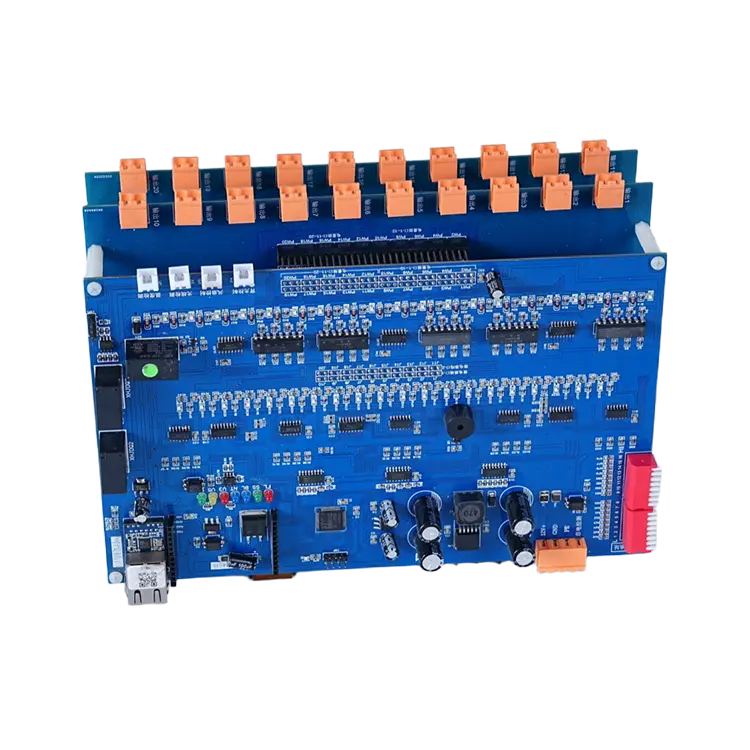
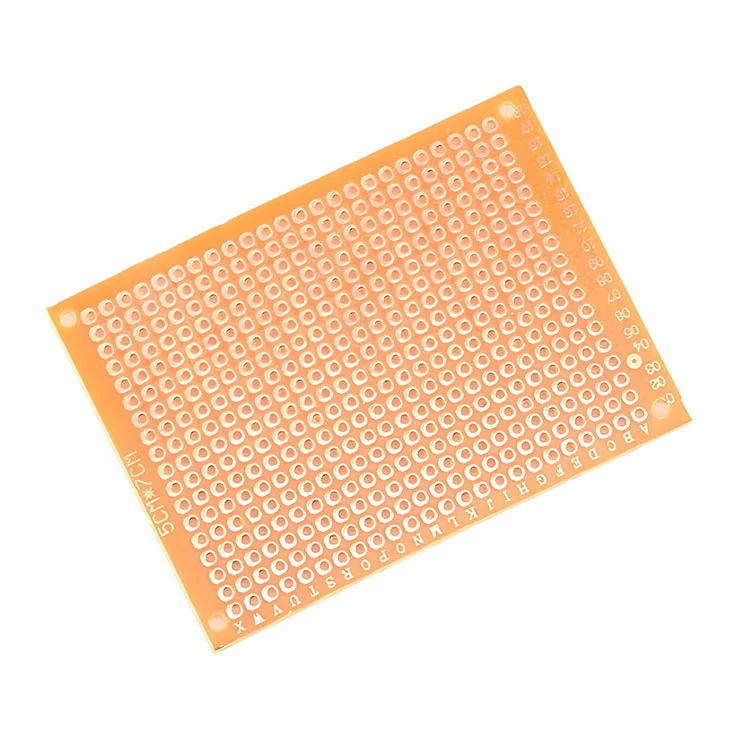
Shenzhen Fanway Technology Co., Ltd.
News

News

What Is CEM-1 PCB and Why Is It Still Widely Used in Modern Electronics?

2026-03-04 0 Leave me a message

In today’s competitive electronics manufacturing landscape, selecting the right printed circuit board material can significantly influence product reliability, cost efficiency, and production scalability. While FR-4 dominates discussions, CEM-1 PCB remains a practical and highly cost-effective solution for many single-layer applications. For engineers and procurement managers balancing performance with budget constraints, understanding when and why to choose CEM-1 can eliminate unnecessary expenses and production delays. This comprehensive guide explores the structure, properties, applications, advantages, limitations, and sourcing considerations of CEM-1 PCB, helping you make confident and informed decisions.


Table of Contents

  1. What Is CEM-1 PCB?
  2. How Is CEM-1 PCB Constructed?
  3. What Are the Technical Properties of CEM-1?
  4. CEM-1 PCB vs FR-4 PCB: What Is the Difference?
  5. Where Is CEM-1 PCB Commonly Used?
  6. What Are the Advantages of CEM-1 PCB?
  7. What Are the Limitations of CEM-1 PCB?
  8. How to Choose Between CEM-1 and Other Materials?
  9. Manufacturing Capabilities and Quality Control
  10. Cost Optimization Strategies
  11. FAQ
  12. Conclusion

What Is CEM-1 PCB?

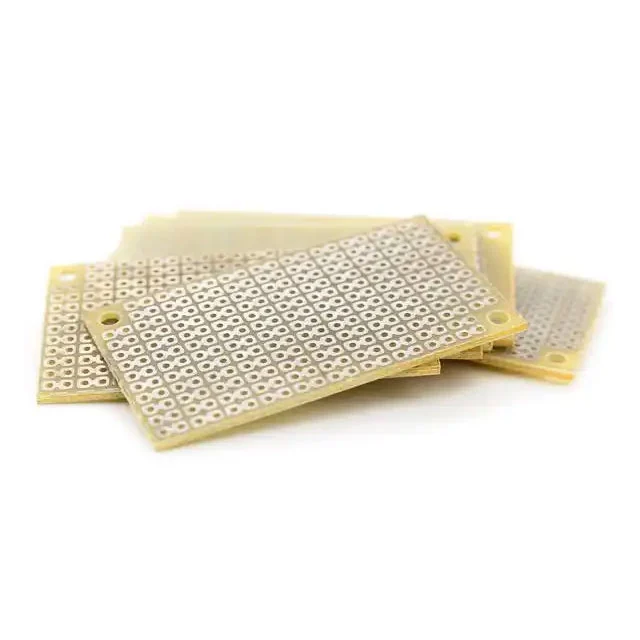
CEM-1 PCB (Composite Epoxy Material 1) is a flame-retardant composite base material primarily used for single-layer printed circuit boards. It is composed of a woven glass fabric surface layer combined with a paper-based core impregnated with epoxy resin. This hybrid structure offers a balance between mechanical strength and cost efficiency.

Unlike FR-4, which uses full fiberglass reinforcement throughout, CEM-1 features a single fiberglass layer on the surface, making it ideal for applications that do not require multilayer construction or high mechanical stress resistance.


How Is CEM-1 PCB Constructed?

The internal structure of CEM-1 PCB plays a crucial role in its performance characteristics.

  • Top Layer: Woven glass fabric reinforced epoxy
  • Core: Paper-based composite impregnated with epoxy resin
  • Copper Layer: Typically single-sided copper foil

Because of this layered composition, CEM-1 PCB is mechanically stable for standard consumer electronics while maintaining a lower material cost compared to full fiberglass alternatives.


What Are the Technical Properties of CEM-1?

Property Typical Value Performance Impact
Flame Retardancy UL94 V-0 Improved fire safety
Dielectric Constant 4.5 – 5.2 Suitable for low-frequency circuits
Thermal Resistance Moderate Not ideal for high-power circuits
Mechanical Strength Medium Good for standard applications
Layer Support Single-layer only Limited design complexity

CEM-1 PCB vs FR-4 PCB: What Is the Difference?

Feature CEM-1 PCB FR-4 PCB
Structure Composite paper + glass surface Full fiberglass
Layer Support Single-layer Single to multilayer
Cost Lower Higher
Mechanical Strength Moderate High
Heat Resistance Medium High

If your product requires multilayer routing, heavy components, or high thermal loads, FR-4 is generally preferred. However, for simple, cost-sensitive, single-layer designs, CEM-1 PCB offers excellent value.


Where Is CEM-1 PCB Commonly Used?

CEM-1 PCB is widely used in applications where simplicity and cost efficiency are key:

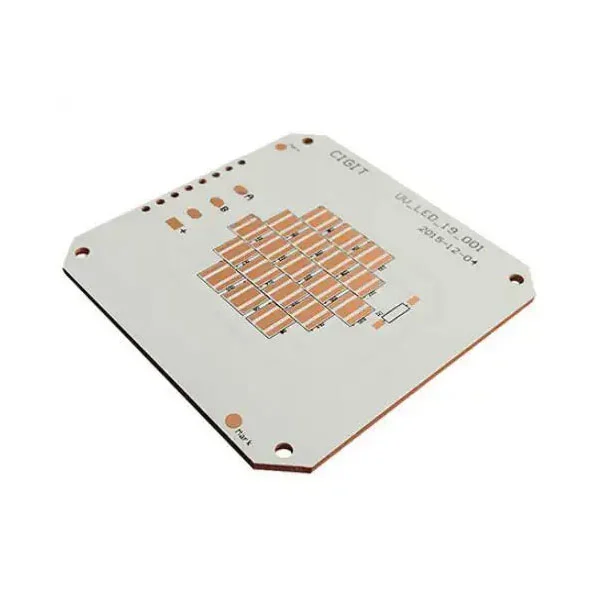
  • LED lighting boards
  • Power adapters
  • Home appliances
  • Remote controls
  • Small consumer electronics
  • Battery chargers

At Shenzhen Fanway Technology Co., Ltd, CEM-1 PCB is frequently selected for high-volume consumer electronics manufacturing where performance requirements are moderate but cost control is critical.


What Are the Advantages of CEM-1 PCB?

1. Cost-Effective Production

CEM-1 materials are generally more affordable than full fiberglass laminates. For large-scale manufacturing, this translates into substantial savings.

2. Good Electrical Insulation

It provides reliable insulation properties for low-frequency applications.

3. Flame Retardant Safety

UL94 V-0 rating ensures compliance with fire safety standards.

4. Easy Machining

CEM-1 is easier to punch and process in mass production compared to thicker fiberglass boards.


What Are the Limitations of CEM-1 PCB?

  • Not suitable for multilayer PCB designs
  • Limited thermal management capability
  • Lower mechanical durability compared to FR-4
  • Not ideal for high-frequency circuits

Understanding these limitations prevents design rework and unexpected product failures.


How to Choose Between CEM-1 and Other Materials?

Consider the following checklist:

  • Is your circuit single-layer?
  • Is the operating temperature moderate?
  • Are mechanical stresses minimal?
  • Is cost reduction a primary objective?

If most answers are “yes,” CEM-1 PCB is likely the right choice.


Manufacturing Capabilities and Quality Control

Shenzhen Fanway Technology Co., Ltd specializes in precision PCB fabrication with strict quality control standards:

  • Automated optical inspection (AOI)
  • Electrical testing
  • Thermal stress testing
  • Material traceability management

Partnering with an experienced manufacturer ensures that even cost-effective CEM-1 PCB products maintain high reliability and consistency.


Cost Optimization Strategies

  1. Standardize board thickness
  2. Optimize copper weight
  3. Reduce unnecessary routing complexity
  4. Choose panelization strategies wisely
  5. Work with experienced suppliers like Shenzhen Fanway Technology Co., Ltd

FAQ

Is CEM-1 PCB suitable for multilayer boards?

No, CEM-1 is primarily designed for single-layer applications.

Can CEM-1 handle high temperatures?

It performs adequately under moderate heat but is not recommended for high-power or high-temperature environments.

Is CEM-1 PCB cheaper than FR-4?

Yes, it is generally more cost-effective due to its composite material structure.

Does CEM-1 meet safety standards?

Most CEM-1 materials meet UL94 V-0 flame retardancy requirements.


Conclusion

CEM-1 PCB remains a practical and economical solution for single-layer electronic applications. Its balanced performance, flame resistance, and affordability make it especially valuable in high-volume consumer electronics manufacturing. By understanding its strengths and limitations, businesses can optimize product performance while controlling costs.

If you are evaluating CEM-1 PCB for your next project, Shenzhen Fanway Technology Co., Ltd offers reliable manufacturing expertise, strict quality assurance, and competitive pricing to support your production goals. For customized solutions and professional guidance tailored to your application, contact us today to discuss how we can help bring your electronic products to market efficiently and confidently.

Related News
Leave me a message
X
We use cookies to offer you a better browsing experience, analyze site traffic and personalize content. By using this site, you agree to our use of cookies. Privacy Policy
Reject Accept