Shenzhen Fanway Technology Co., Ltd.
News

News

How Does High Frequency PCB Improve Signal Integrity in GHz Applications?

2026-02-26 0 Leave me a message

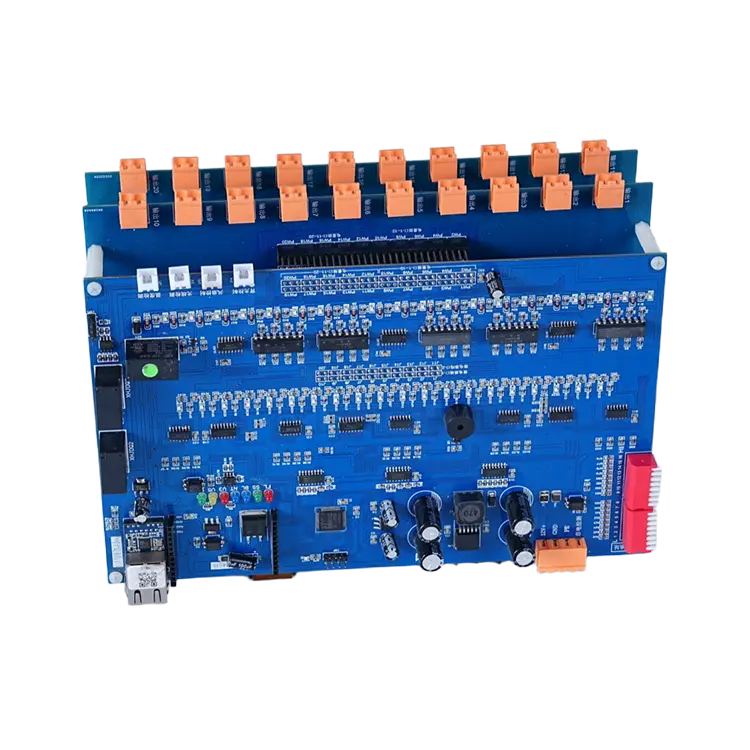
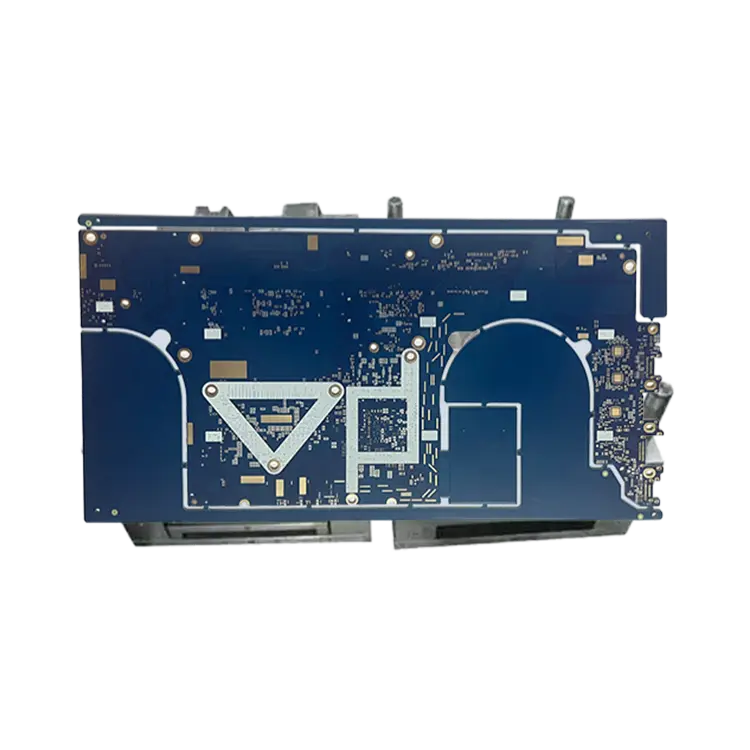
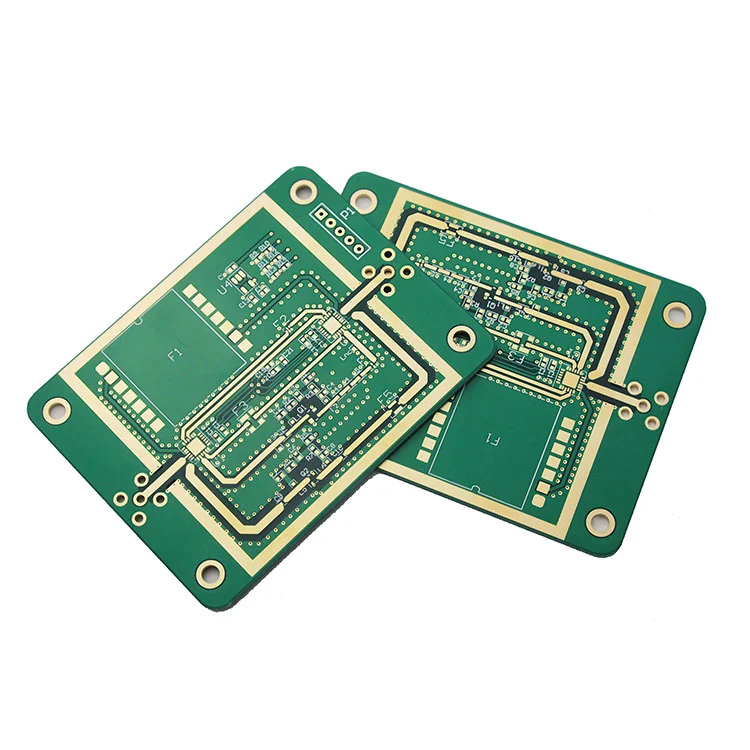
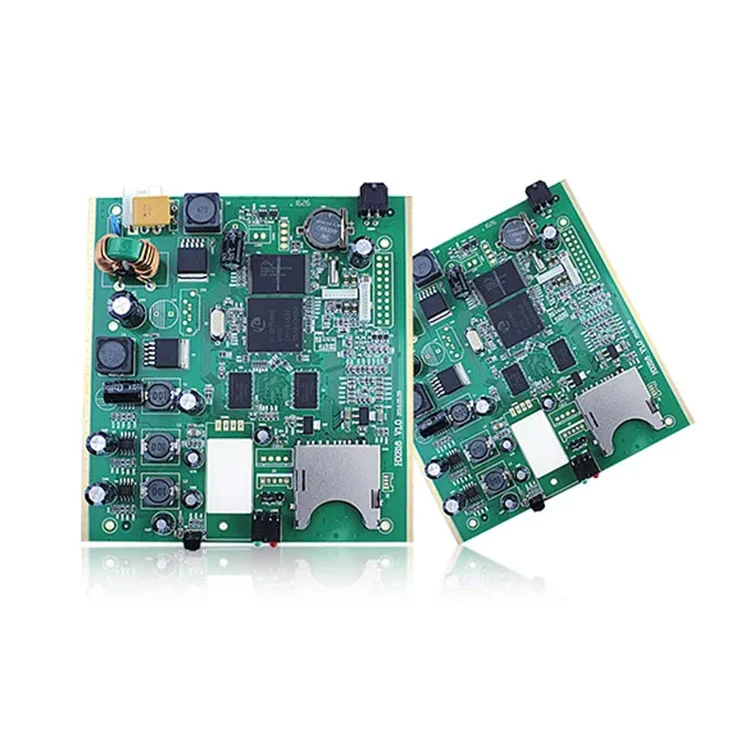
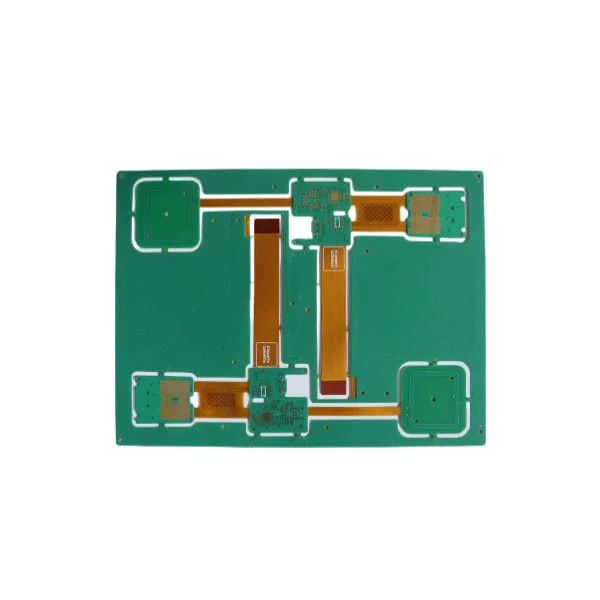
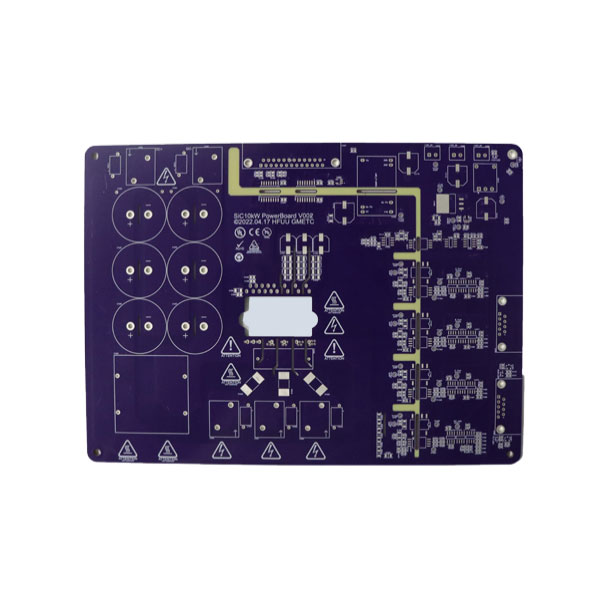
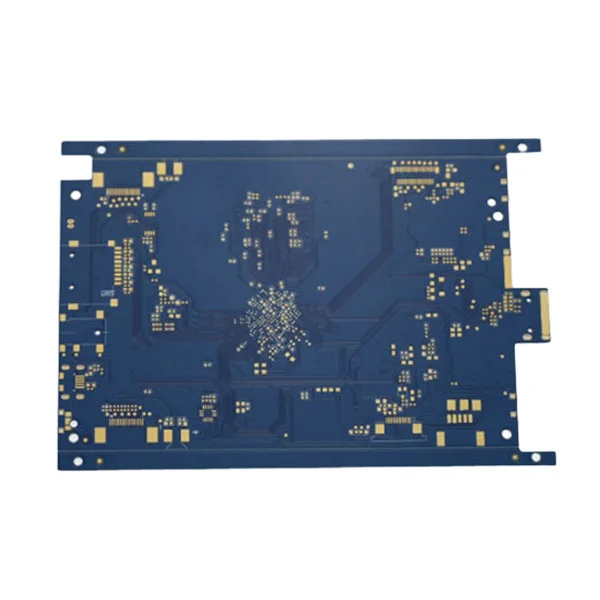
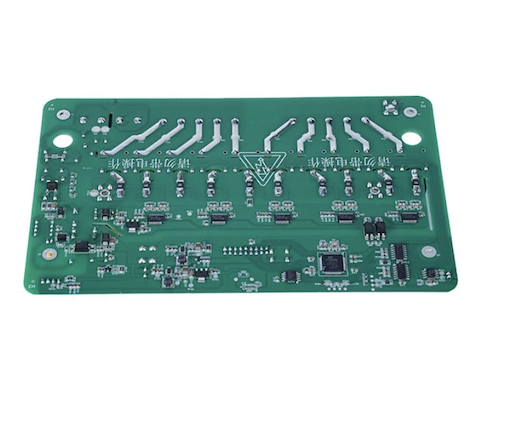
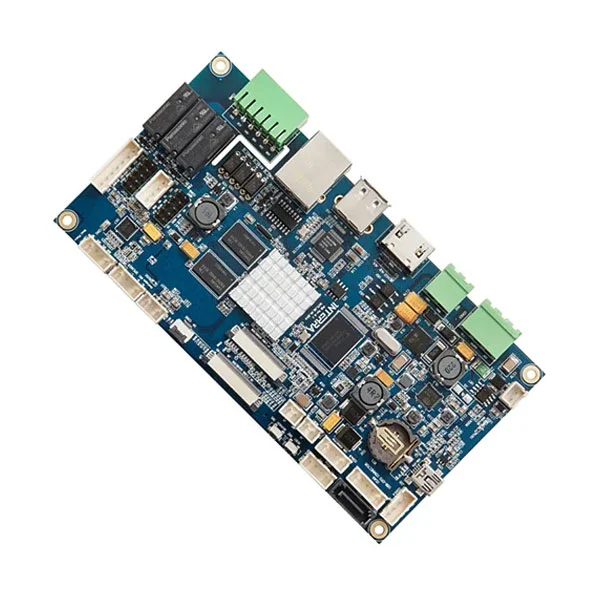
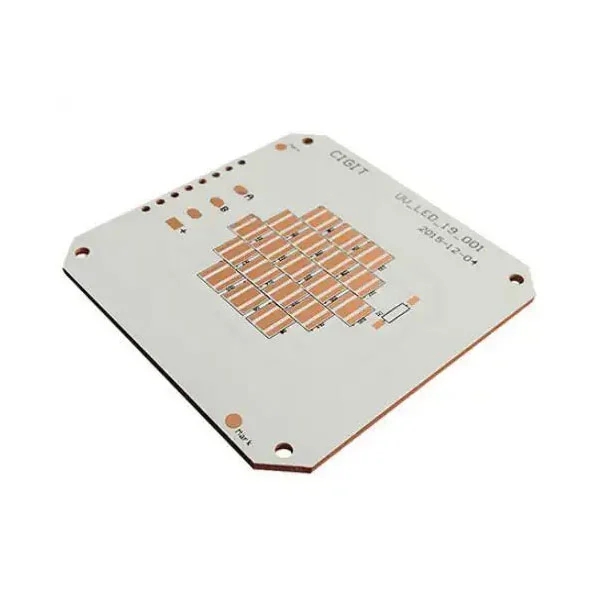
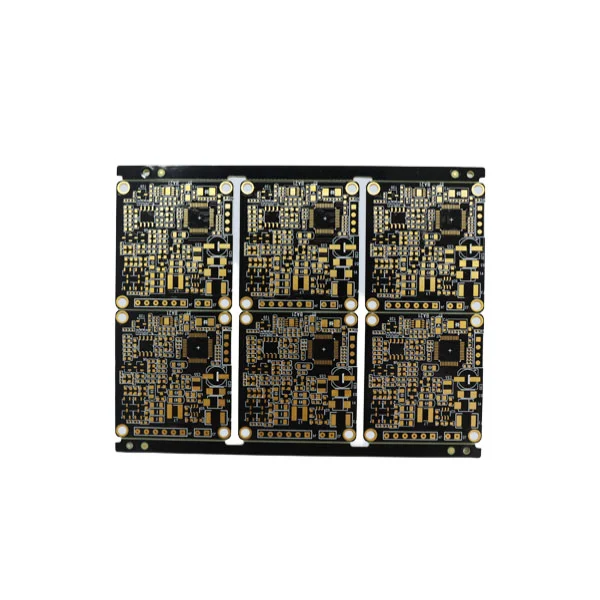
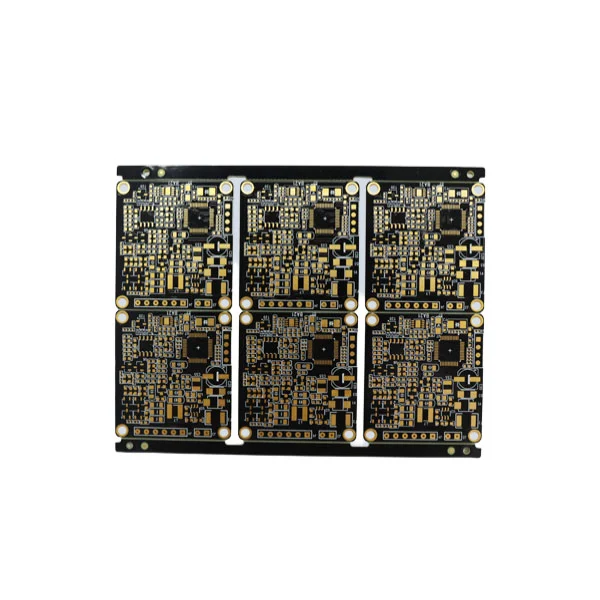
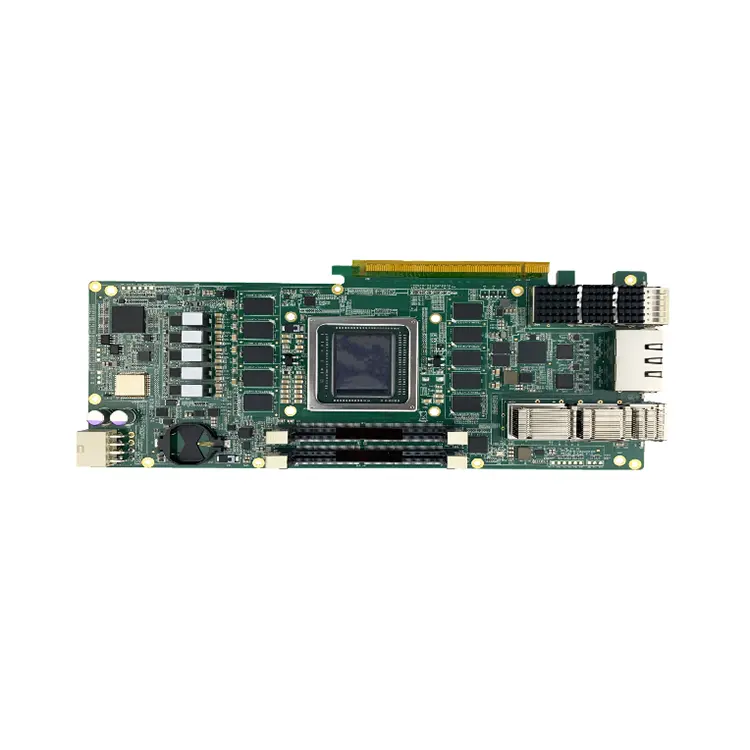
High Frequency PCB technology is essential for modern RF, microwave, and high-speed digital systems operating in the GHz range. As frequencies increase, signal loss, impedance mismatch, and electromagnetic interference become critical design challenges. This comprehensive guide explains how High Frequency PCB improves signal integrity, explores materials, design strategies, manufacturing processes, cost factors, and practical solutions to common engineering pain points. Whether you are developing 5G modules, automotive radar, satellite systems, or high-speed communication devices, this article provides clear technical insights to help you achieve stable and reliable performance.

High Frequency PCB


Table of Contents

  • 1. Understanding High Frequency PCB Fundamentals
  • 2. Why Signal Integrity Becomes Critical at High Frequencies
  • 3. Material Selection for High Frequency PCB
  • 4. Electrical Properties That Influence Performance
  • 5. PCB Stack-Up Design Strategies
  • 6. Layout Techniques to Minimize Signal Loss
  • 7. Manufacturing Precision and Quality Assurance
  • 8. Surface Finish Considerations for RF Circuits
  • 9. Cost Optimization Without Compromising Performance
  • 10. Industry Applications of High Frequency PCB
  • 11. Choosing the Right Manufacturing Partner
  • 12. Why Shenzhen Fanway Technology Co., Ltd Is a Trusted Choice
  • 13. Frequently Asked Questions
  • 14. Final Thoughts

1. Understanding High Frequency PCB Fundamentals

A High Frequency PCB is engineered to operate reliably at frequencies typically above 500 MHz and often extending into multi-GHz ranges. At these levels, even small variations in dielectric properties, copper roughness, and trace geometry can significantly affect circuit behavior.

Unlike conventional boards, High Frequency PCB designs require low-loss materials, tightly controlled impedance, and precise manufacturing tolerances to ensure predictable signal transmission.


2. Why Signal Integrity Becomes Critical at High Frequencies

As frequency increases:

  • Signal wavelength shortens
  • Transmission lines behave like distributed circuits
  • Minor discontinuities cause reflections
  • Loss tangent becomes more influential
  • Skin effect increases conductor resistance

High Frequency PCB technology addresses these challenges by combining advanced materials with optimized design methodologies.


3. Material Selection for High Frequency PCB

Material Dielectric Constant (Dk) Loss Tangent (Df) Application
Modified FR-4 4.2–4.5 0.015–0.02 Lower GHz designs
Rogers Laminate 2.2–3.5 0.0009–0.003 RF & Microwave
PTFE-based 2.0–2.5 Ultra-low Satellite & Radar
Hydrocarbon Ceramic 3.0–3.5 Low Automotive 77GHz Radar

Manufacturers such as Shenzhen Fanway Technology Co., Ltd carefully validate dielectric stability and consistency before production.


4. Electrical Properties That Influence Performance

  • Dielectric Constant (Dk): Determines signal velocity.
  • Loss Tangent (Df): Measures dielectric energy dissipation.
  • Impedance Control: Ensures minimal signal reflection.
  • CTE: Controls mechanical expansion stability.
  • Copper Roughness: Impacts conductor loss at high frequency.

5. PCB Stack-Up Design Strategies

Effective stack-up design improves shielding and signal integrity.

Layer Function
Top RF Signal Routing
Inner 1 Ground Plane
Inner 2 Power Plane
Bottom Shielding / Secondary Signals

Proper ground referencing minimizes EMI and improves impedance consistency.


6. Layout Techniques to Minimize Signal Loss

  • Short RF trace routing
  • Avoiding right-angle corners
  • Back-drilling to remove via stubs
  • Minimizing impedance discontinuities
  • Controlled differential pair spacing

7. Manufacturing Precision and Quality Assurance

High Frequency PCB manufacturing requires:

  • Laser drilling for microvias
  • Advanced lamination cycles
  • Tight copper thickness tolerance
  • Automated Optical Inspection (AOI)
  • Time Domain Reflectometry (TDR) testing

Shenzhen Fanway Technology Co., Ltd implements strict process control to ensure stable electrical performance across batches.


8. Surface Finish Considerations for RF Circuits

  • ENIG for reliable soldering and flatness
  • Immersion Silver for better conductivity
  • Smooth copper to reduce skin-effect loss

9. Cost Optimization Without Compromising Performance

Cost drivers include material choice, layer count, impedance tolerance, and testing complexity. Hybrid stack-up designs combining RF materials with standard cores can balance cost and performance.


10. Industry Applications of High Frequency PCB

  • 5G Base Stations
  • Automotive Radar Systems
  • Satellite Communication
  • Microwave Antennas
  • High-Speed Networking Equipment

11. Choosing the Right Manufacturing Partner

Evaluate:

  • Experience in RF boards
  • Material sourcing capability
  • Impedance testing equipment
  • Engineering support services
  • Quality certification compliance

12. Why Shenzhen Fanway Technology Co., Ltd Is a Trusted Choice

Shenzhen Fanway Technology Co., Ltd provides comprehensive High Frequency PCB manufacturing solutions, including multi-material hybrid boards, precision impedance control, rapid prototyping, and strict testing procedures. Their engineering team supports customers from design review to mass production, ensuring consistent performance in GHz applications.


13. Frequently Asked Questions

Q1: At what frequency should I consider High Frequency PCB materials?
Generally above 500 MHz, especially when operating in multi-GHz ranges.

Q2: Can standard FR-4 handle RF applications?
Only limited lower-frequency designs; dedicated RF materials are preferred for better stability.

Q3: What is the most critical parameter?
Loss tangent (Df) significantly affects signal attenuation.

Q4: How do I reduce signal reflection?
Ensure accurate impedance control and proper stack-up design.

Q5: How can I start my project?
Consult with an experienced manufacturer to review design files before fabrication.


14. Final Thoughts

High Frequency PCB plays a decisive role in maintaining signal integrity, minimizing loss, and ensuring stable performance in advanced GHz systems. From material selection to precision manufacturing, every detail matters.

If you are seeking reliable, high-performance High Frequency PCB manufacturing support, Shenzhen Fanway Technology Co., Ltd is ready to provide expert guidance and production excellence.

Have a new RF or high-speed project in development? Contact us today to discuss your technical requirements and receive a tailored solution for your High Frequency PCB needs.

Related News
Leave me a message
X
We use cookies to offer you a better browsing experience, analyze site traffic and personalize content. By using this site, you agree to our use of cookies. Privacy Policy
Reject Accept