Shenzhen Fanway Technology Co., Ltd.
News

News

What Is High Frequency PCB?

2026-01-28 0 Leave me a message

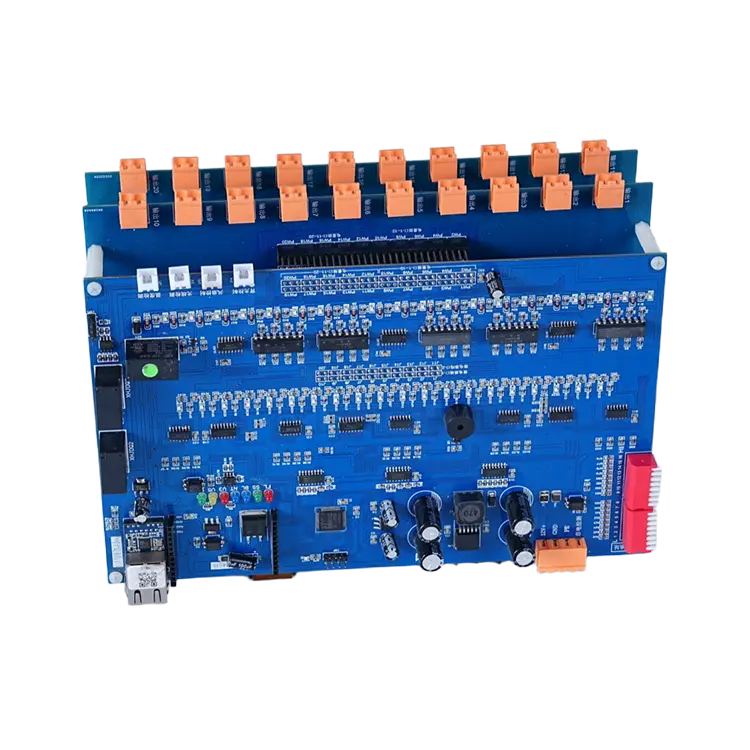
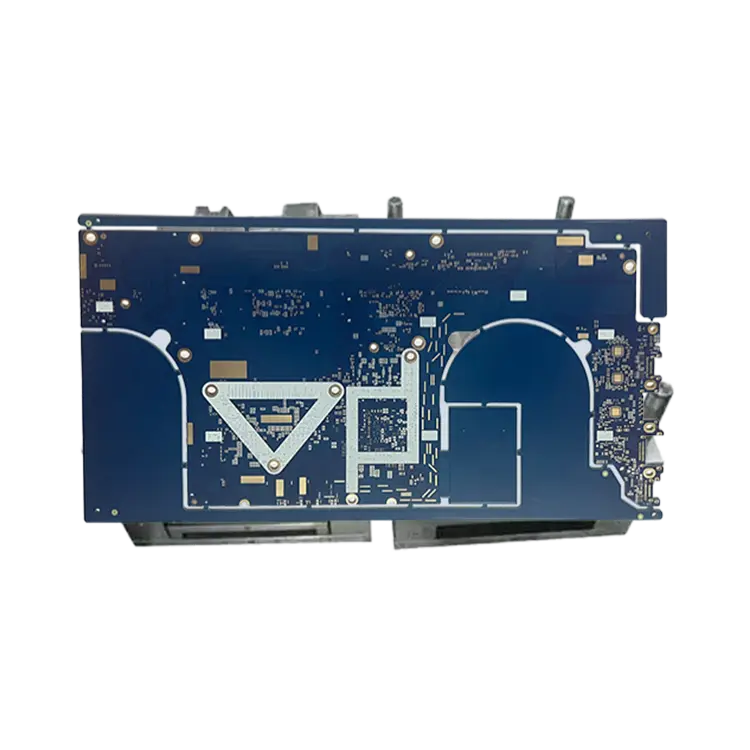
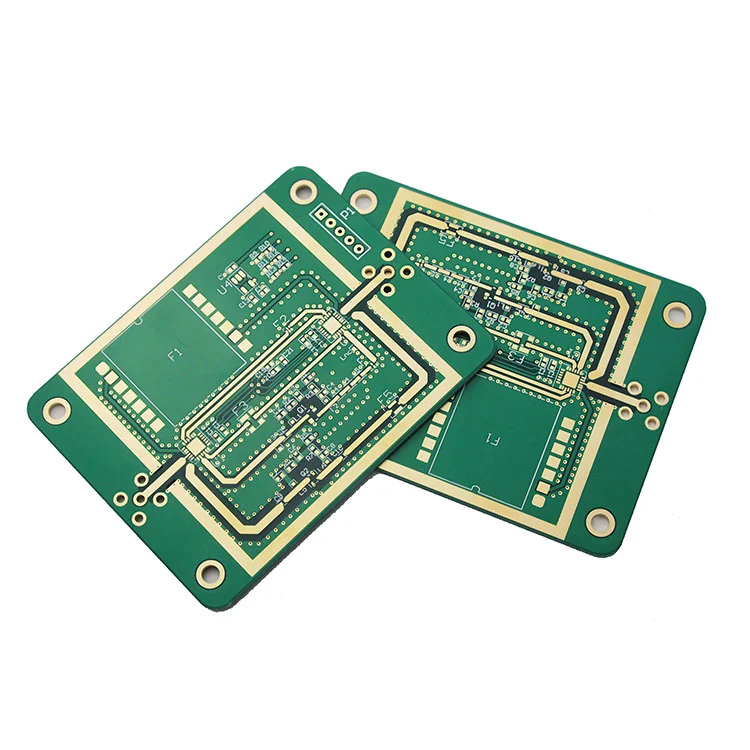
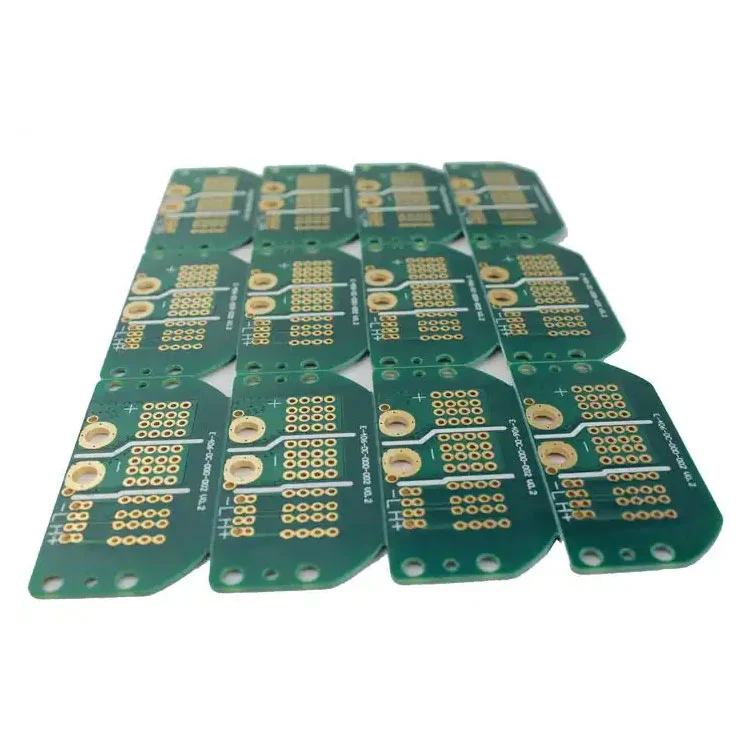
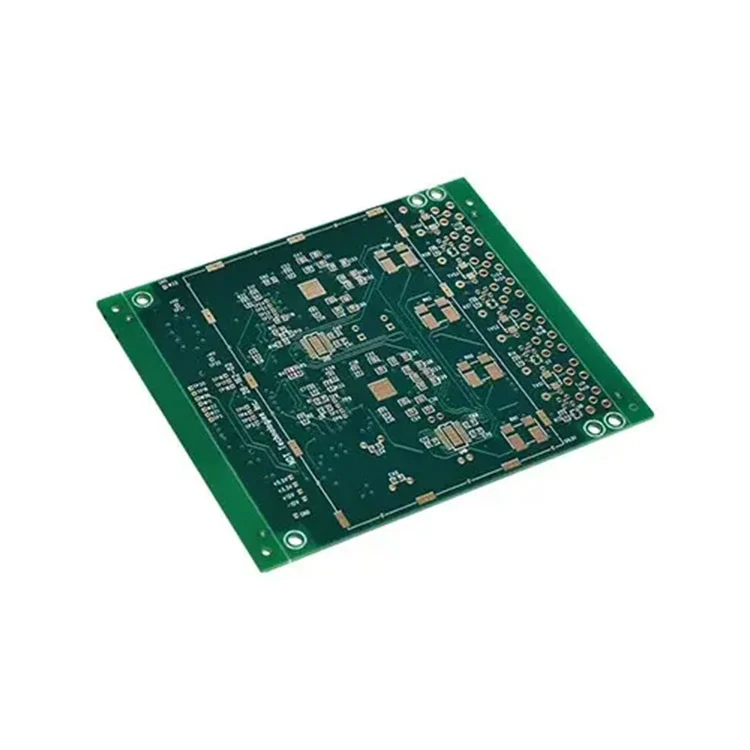
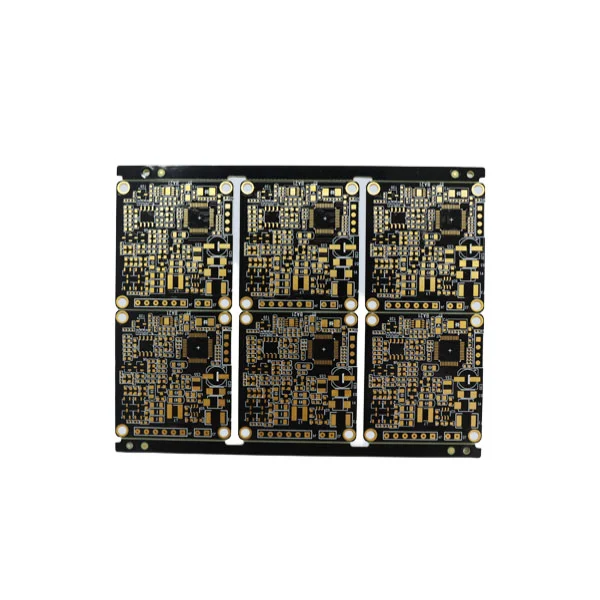
High Frequency PCB plays a critical role in modern electronic systems where signal integrity, low loss, and stable performance are non-negotiable. From 5G communication and automotive radar to aerospace, medical imaging, and advanced RF devices, customers often struggle with material selection, signal degradation, impedance control, and manufacturing reliability. This in-depth guide explains what High Frequency PCB is, how it works, why it matters, and how to choose the right solution for demanding applications. Drawing on real manufacturing experience from Shenzhen Fanway Technology Co., Ltd, this article provides practical insights to help engineers, buyers, and decision-makers reduce risk, control cost, and achieve long-term performance stability.

High Frequency PCB


Table of Contents

  • Introduction to High Frequency PCB
  • Why High Frequency PCB Is Essential in Modern Electronics
  • Common Customer Pain Points with High Frequency PCB
  • How High Frequency PCB Works
  • Key Materials Used in High Frequency PCB
  • Design Considerations for High Frequency PCB
  • Manufacturing Challenges and Solutions
  • Performance Parameters That Matter Most
  • High Frequency PCB Applications Across Industries
  • How to Choose the Right High Frequency PCB Supplier
  • Why Shenzhen Fanway Technology Co., Ltd Is Trusted Globally
  • Comparison Table of Common High Frequency PCB Materials
  • Frequently Asked Questions
  • Final Thoughts and Contact Information

Introduction to High Frequency PCB

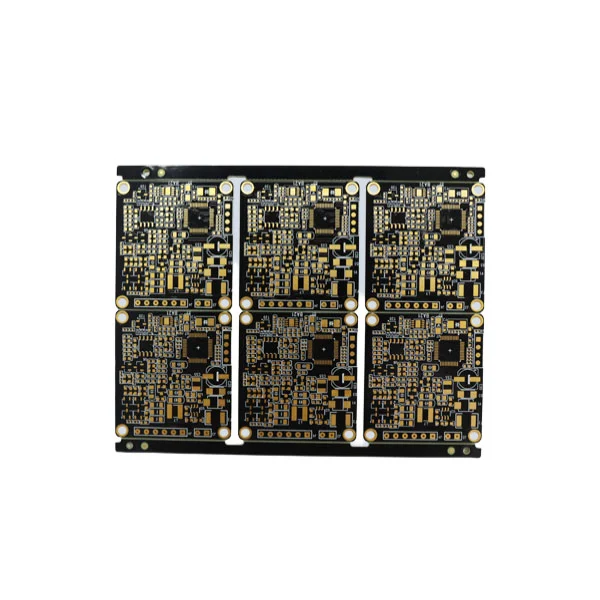
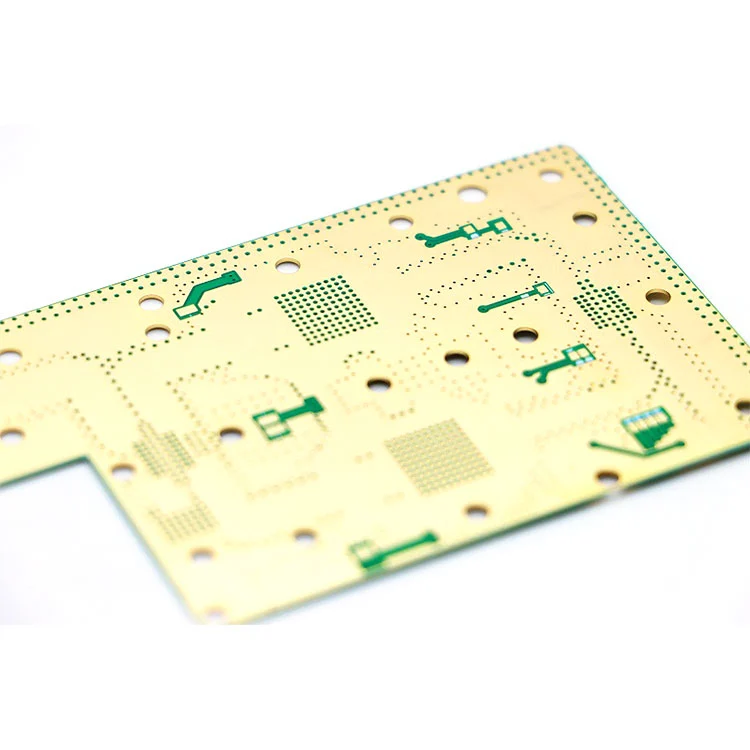
A High Frequency PCB is a printed circuit board specifically engineered to transmit signals typically above 1 GHz with minimal loss, distortion, or interference. Unlike standard FR-4 boards, High Frequency PCB designs require specialized materials, tighter process control, and advanced engineering expertise.

As signal speeds increase and devices become more compact, conventional PCB solutions often fail to meet performance expectations. This is where High Frequency PCB technology becomes essential. Shenzhen Fanway Technology Co., Ltd has spent years refining manufacturing processes to ensure consistent performance in complex high-frequency environments.


Why High Frequency PCB Is Essential in Modern Electronics

Modern electronic systems depend heavily on high-speed signal transmission. Any instability, impedance mismatch, or dielectric loss can lead to system failure. High Frequency PCB solutions address these issues by offering controlled dielectric properties, stable thermal performance, and excellent signal integrity.

  • Supports faster data transmission
  • Reduces signal attenuation and phase distortion
  • Improves electromagnetic compatibility
  • Ensures reliability in harsh environments

Companies working with Shenzhen Fanway Technology Co., Ltd often report improved product reliability and reduced rework costs after switching to purpose-built High Frequency PCB solutions.


Common Customer Pain Points with High Frequency PCB

Many customers encounter recurring challenges when sourcing or designing High Frequency PCB products. Understanding these pain points is the first step toward effective solutions.

  • Unstable signal performance at high frequencies
  • Difficulty controlling impedance
  • Material inconsistency between batches
  • High manufacturing costs
  • Limited supplier technical support

Shenzhen Fanway Technology Co., Ltd addresses these issues through strict material selection, in-house testing, and close collaboration with customers during the design phase.


How High Frequency PCB Works

The core principle of High Frequency PCB lies in minimizing signal loss and interference. This is achieved through optimized dielectric materials, precise trace geometry, and advanced lamination techniques.

At high frequencies, even minor design flaws can cause reflection, crosstalk, or excessive heat generation. Shenzhen Fanway Technology Co., Ltd employs simulation-driven design reviews and controlled fabrication processes to mitigate these risks.


Key Materials Used in High Frequency PCB

Material selection is one of the most critical aspects of High Frequency PCB design. Each material offers different electrical and mechanical properties.

  • PTFE-based laminates
  • Hydrocarbon ceramic materials
  • Low-loss modified epoxy systems
  • Hybrid material stack-ups

By working closely with leading material suppliers, Shenzhen Fanway Technology Co., Ltd ensures consistent quality and predictable performance.


Design Considerations for High Frequency PCB

Designing a High Frequency PCB requires careful attention to detail. Key factors include trace width, spacing, grounding strategy, and layer stack-up.

  • Controlled impedance routing
  • Optimized ground planes
  • Minimal via transitions
  • Thermal management planning

Design teams supported by Shenzhen Fanway Technology Co., Ltd benefit from engineering feedback that reduces costly design revisions.


Manufacturing Challenges and Solutions

High Frequency PCB manufacturing demands precision. Small variations in etching, lamination pressure, or drilling can significantly affect performance.

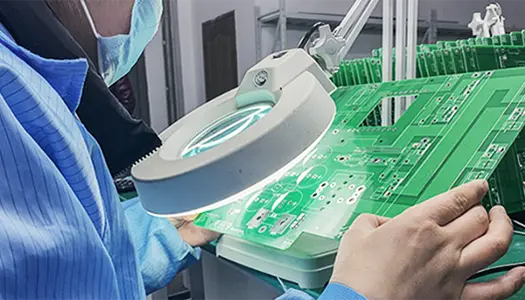
Shenzhen Fanway Technology Co., Ltd uses advanced process control systems, automated inspection, and high-precision equipment to maintain tight tolerances throughout production.


Performance Parameters That Matter Most

Evaluating High Frequency PCB performance goes beyond basic electrical testing. Several parameters directly impact system reliability.

  • Dielectric constant stability
  • Dissipation factor
  • Thermal expansion control
  • Surface roughness

Each High Frequency PCB produced by Shenzhen Fanway Technology Co., Ltd undergoes rigorous testing to ensure compliance with application requirements.


High Frequency PCB Applications Across Industries

High Frequency PCB technology is widely used across multiple high-tech sectors.

  • 5G base stations and antennas
  • Automotive radar and ADAS systems
  • Aerospace and satellite communication
  • Medical imaging equipment
  • High-speed networking devices

Shenzhen Fanway Technology Co., Ltd has delivered High Frequency PCB solutions to customers in all of these industries.


How to Choose the Right High Frequency PCB Supplier

Selecting the right supplier is just as important as choosing the right material. A reliable partner understands both design intent and manufacturing limitations.

  • Proven experience with high frequency projects
  • Strong engineering support
  • Consistent quality control systems
  • Transparent communication

Many global customers continue to work with Shenzhen Fanway Technology Co., Ltd because of its long-term reliability and technical expertise.


Why Shenzhen Fanway Technology Co., Ltd Is Trusted Globally

Shenzhen Fanway Technology Co., Ltd has built a reputation for delivering high-performance High Frequency PCB solutions tailored to complex applications. With advanced manufacturing facilities and a customer-centric approach, the company supports projects from prototype to mass production.

By combining material science knowledge with practical engineering experience, Shenzhen Fanway Technology Co., Ltd helps customers reduce risk and accelerate product development.


Comparison Table of Common High Frequency PCB Materials

Material Type Dielectric Constant Loss Factor Typical Applications
PTFE Based 2.1 – 2.6 Very Low Microwave, RF, Aerospace
Hydrocarbon Ceramic 3.0 – 3.5 Low 5G, Automotive Radar
Modified Epoxy 3.6 – 4.2 Medium High-Speed Digital Systems

Frequently Asked Questions

Q: What frequency range defines a High Frequency PCB?
A: High Frequency PCB typically refers to boards operating above 1 GHz, though requirements vary by application.

Q: Can High Frequency PCB be mixed with standard materials?
A: Yes, hybrid stack-ups are common and can optimize both performance and cost when properly designed.

Q: Why is material consistency so important?
A: Inconsistent dielectric properties can cause signal instability and system failure.

Q: How does Shenzhen Fanway Technology Co., Ltd ensure quality?
A: Through strict process control, material verification, and comprehensive testing at every production stage.

Q: Is High Frequency PCB suitable for mass production?
A: Yes, with the right manufacturing partner, High Frequency PCB can be reliably produced at scale.


Final Thoughts and Contact Information

High Frequency PCB technology is no longer optional for advanced electronic systems. Choosing the right design approach, materials, and manufacturing partner can significantly impact product success.

Shenzhen Fanway Technology Co., Ltd is committed to helping customers overcome technical challenges and achieve stable, high-performance results. If you are planning a new project or looking to improve your existing High Frequency PCB solutions, feel free to contact us today to discuss how we can support your needs.

Related News
Leave me a message
X
We use cookies to offer you a better browsing experience, analyze site traffic and personalize content. By using this site, you agree to our use of cookies. Privacy Policy
Reject Accept