Shenzhen Fanway Technology Co., Ltd.
News

News

How Many Components Per Hour Can Your SMT PCB Assembly Line Place?

2026-06-01 0 Leave me a message

Fanway SMT PCB Assembly delivers practical production performance beyond theoretical placement speed. Actual efficiency is affected by board design, components, inspection and supply chain in electronics manufacturing.

Across the electronics manufacturing field, placement speed is often quoted in theoretical terms. However, real-world performance depends on board complexity, component mix, inspection cycles, and even supply chain stability. This is why component-per-hour (CPH) metrics must be understood within a broader production system rather than as an isolated figure.

Placement Speed in Modern SMT Lines

In today's electronics production landscape, PCB Assembly lines are no longer evaluated purely by peak machine speed. Instead, they are measured by sustained throughput under quality constraints.

A high-speed pick-and-place machine may advertise extremely high theoretical placement rates, but actual production output is shaped by:

- Component size variation (01005 to large BGAs)
- Placement accuracy requirements
- Inspection pauses (SPI, AOI, X-ray)
- Changeover time between product runs
- Programming optimization and feeder setup

This means that "components per hour" is a dynamic range rather than a fixed value.

From Components-per-minute to Real Production Throughput

Most modern SMT systems operate on a components-per-minute (CPM) basis at the machine level. When scaled to a full line, multiple machines operate in parallel, meaning throughput is aggregated but also constrained by bottlenecks such as inspection stations and reflow balancing.

In practical terms, a single advanced placement head may exceed tens of thousands of placements per hour under ideal conditions, but a full PCB Assembly line must account for synchronization between multiple stages.

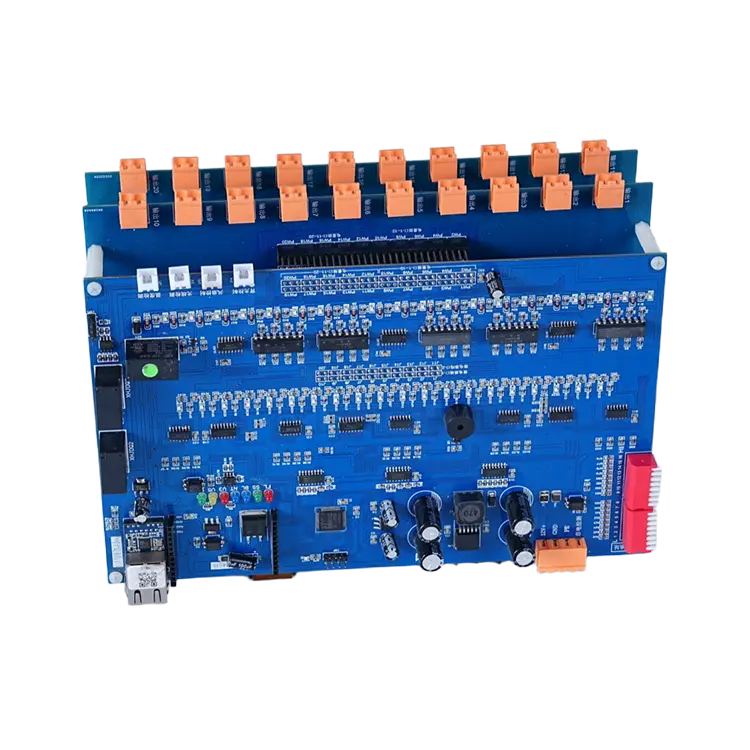
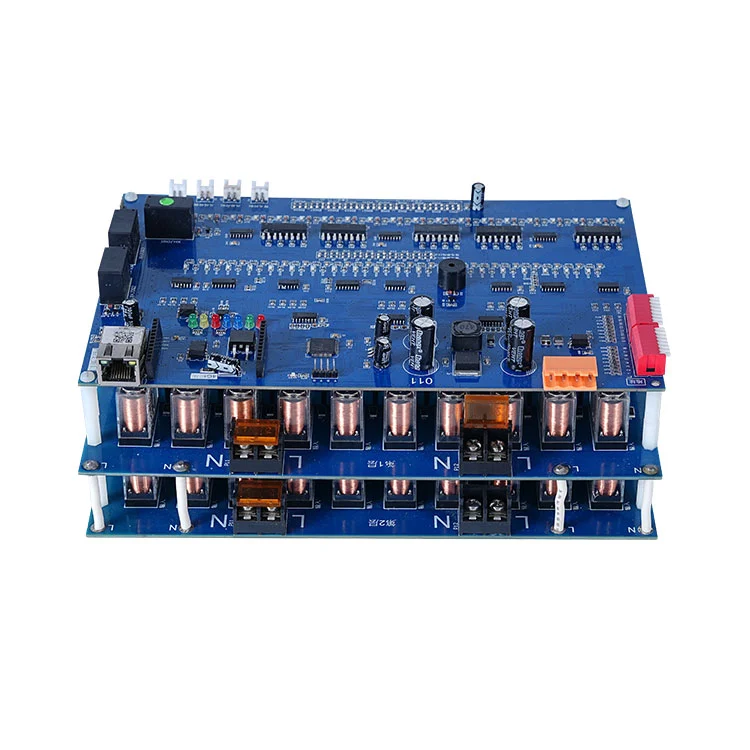
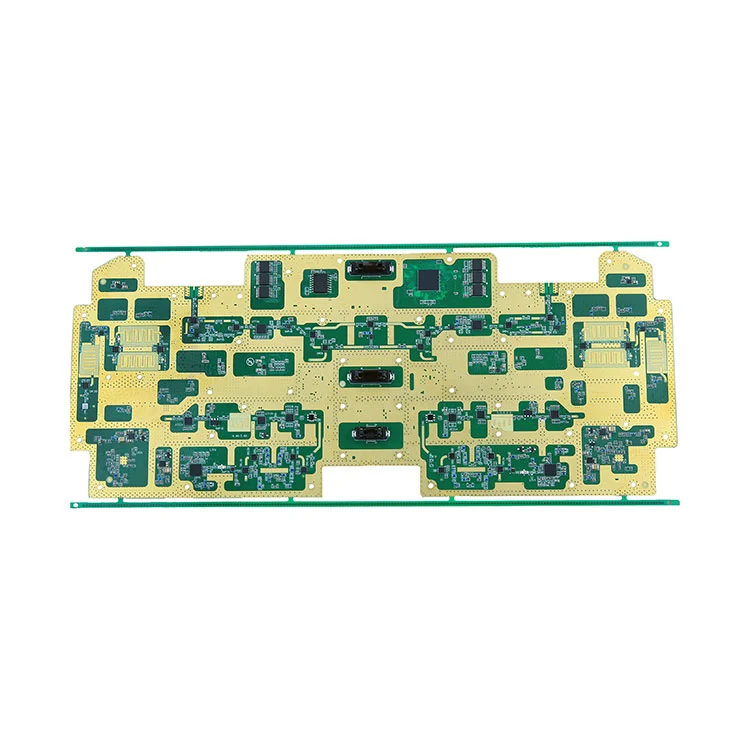
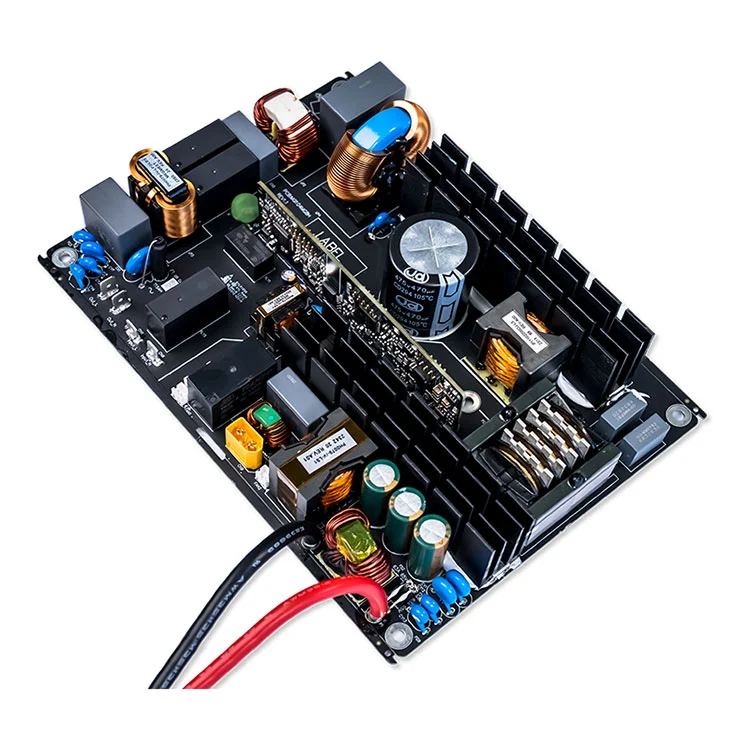
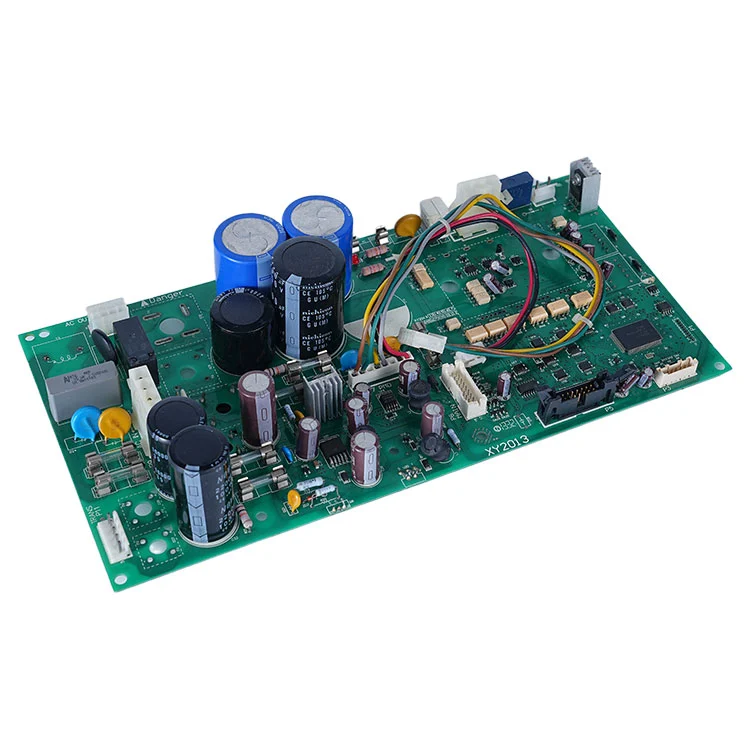
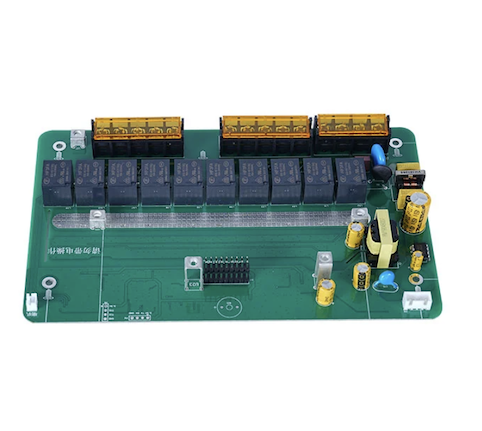
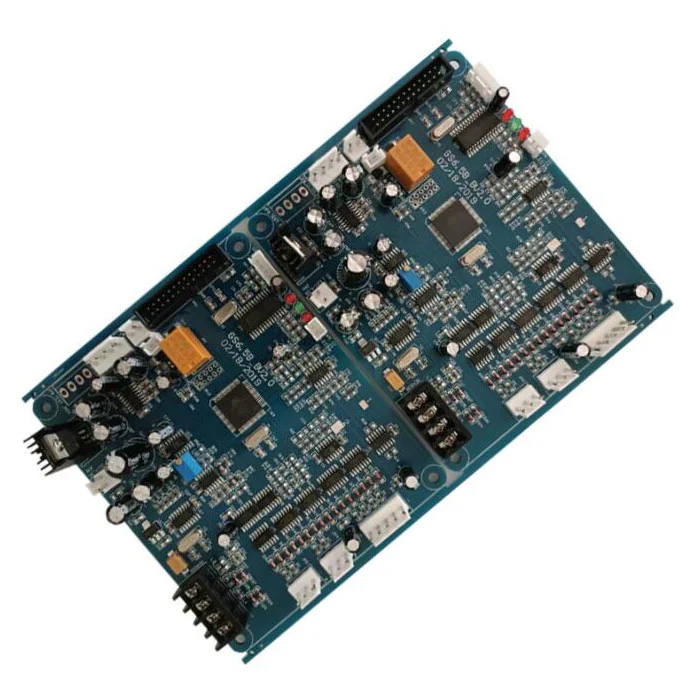
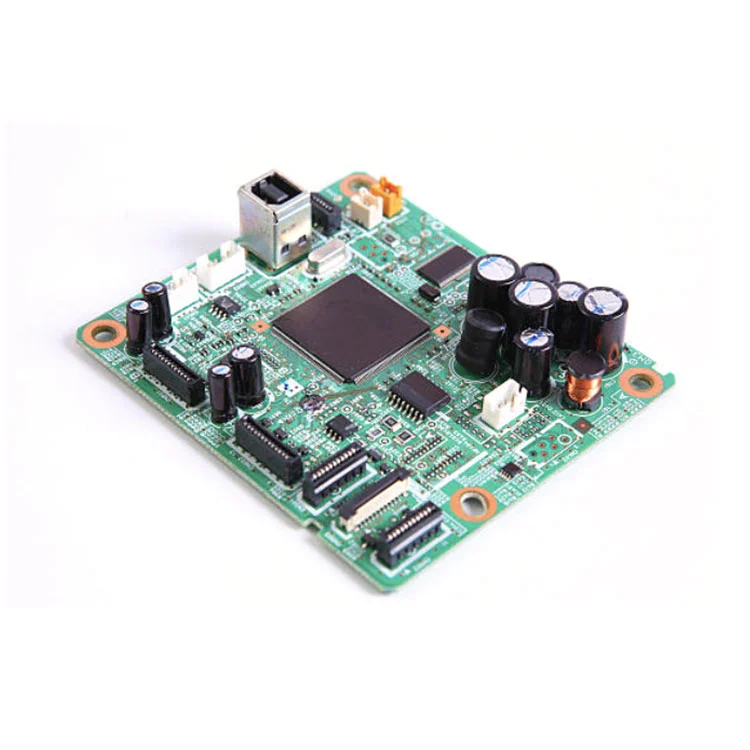
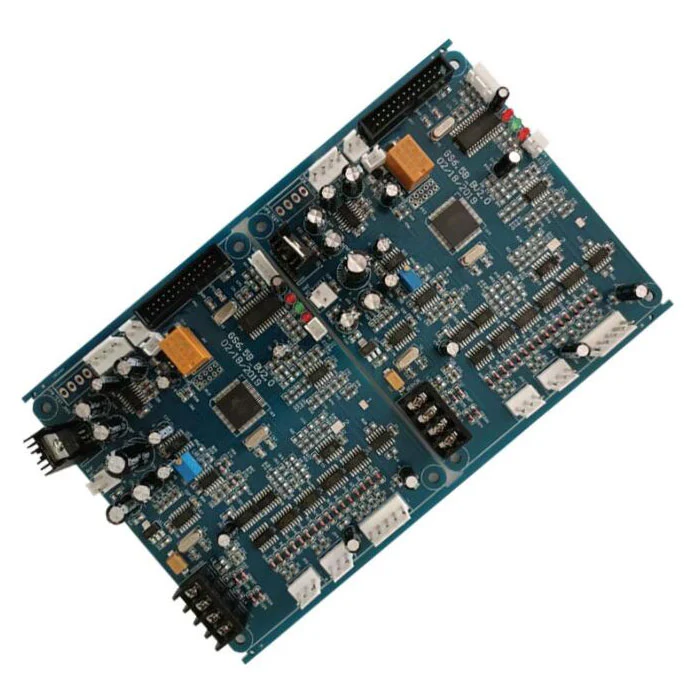
SMT PCB Assembly

Inside a High-Speed PCB Assembly Line

A modern SMT line is not a single machine but a coordinated ecosystem. Typical stages include:

- Solder paste printing (SPI verification)
- High-speed component placement
- Reflow soldering
- Optical and structural inspection (AOI/X-ray)
- Functional testing

Each stage influences the effective throughput of the entire system. Even if placement is extremely fast, downstream inspection and correction loops ensure stability and reduce defect propagation.

Machine Vision and Micron-Level Accuracy

One of the most important factors affecting throughput is machine vision correction. Advanced SMT systems use real-time optical alignment to correct component position before placement.

This allows modern SMT PCB Assembly lines to maintain micron-level precision, often within ±25μm. While this improves reliability, it also introduces micro-pauses in the workflow that must be balanced against speed.

The result is a system where "fast" is defined not only by raw placement speed but by how efficiently accuracy corrections are integrated.

Breaking Down the Numbers: 8-Line Capacity Example

To better understand real throughput, consider a multi-line production environment. In this case, Fanway operates 8 SMT lines with high-speed placement capability.

Each line can theoretically achieve extremely high placement volumes over a 24-hour cycle. However, actual output is influenced by product complexity and inspection cycles.

Estimated Throughput Overview

Parameter Typical Value Range Notes
Placement speed per line Up to 10 million placements / 24h Theoretical maximum under optimized conditions
Component range 01005 to 50mm×50mm BGAs Includes fine-pitch and large packages
Inspection coverage 100% SPI + AOI + X-ray Multi-stage verification
Prototype turnaround ~72 hours Rapid validation cycles
Defect rate target <0.5% Process-dependent

In practice, PCB Assembly output is best understood as a balance between speed and stability. High-speed operation must be continuously validated by inspection systems to ensure consistent quality.

Why Higher Speed Does Not Always Mean Better Output

A common misconception in electronics production is that faster placement always leads to higher efficiency. In reality, excessive speed without control can introduce hidden inefficiencies.

Defects, Rework, and Hidden Time Loss

When placement speed exceeds optimal process thresholds, several issues may appear:

- Misaligned components requiring rework
- Solder bridging or tombstoning effects
- Increased inspection rejection rates
- Additional debugging cycles during testing

These issues do not immediately appear in raw throughput numbers but significantly affect final delivery timelines.

For this reason, modern SMT PCB Assembly strategies prioritize balanced optimization rather than maximum theoretical speed.

The Role of Process Control in Sustained Throughput

Beyond machine capability, process engineering plays a central role in maintaining stable production output.

Key elements include:

- DFM (Design for Manufacturability) analysis to reduce placement complexity
- Optimized feeder arrangement to minimize machine idle time
- Real-time feedback loops between AOI and placement systems
- Supply chain coordination to avoid material interruptions

These factors ensure that high-speed capability translates into consistent real-world production performance.

Adaptive Line Configuration

Different product types require different SMT configurations. Consumer electronics, industrial control boards, and automotive modules all impose different constraints on placement density and inspection rigor.

A flexible PCB Assembly environment must therefore adapt line configurations dynamically rather than relying on a single fixed setup.

Practical Takeaways for Electronics Projects

When evaluating  PCB Assembly capability in terms of components per hour, it is more meaningful to consider system-level performance rather than isolated machine specifications.

Three key takeaways emerge:

- Throughput depends on the full production chain, not just placement speed.
- Inspection systems are integral to output stability, not optional overhead.
- Real efficiency is achieved through balance between speed, accuracy, and repeatability.

In modern electronics development, this balance is often more important than peak numerical performance.

In advanced manufacturing environments such as those developed by Fanway, performance is defined not only by speed but by how consistently that speed can be maintained under real-world conditions.

Ultimately, SMT PCB Assembly performance should be understood as a coordinated balance of high-speed placement, precision control, and multi-layer inspection—ensuring that electronics systems can move from concept to reliable execution with predictable stability.

Related News
Leave me a message
X
We use cookies to offer you a better browsing experience, analyze site traffic and personalize content. By using this site, you agree to our use of cookies.Privacy Policy
RejectAccept