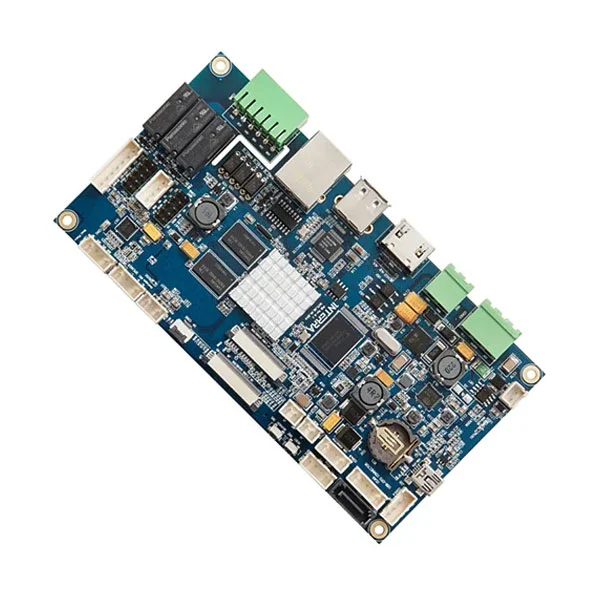
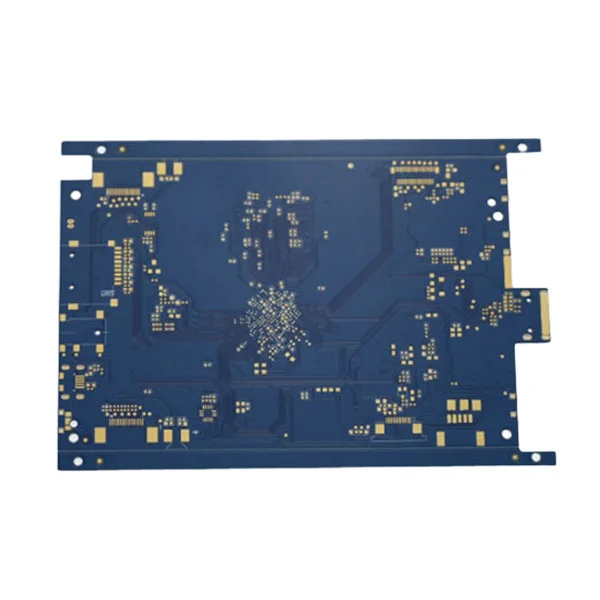
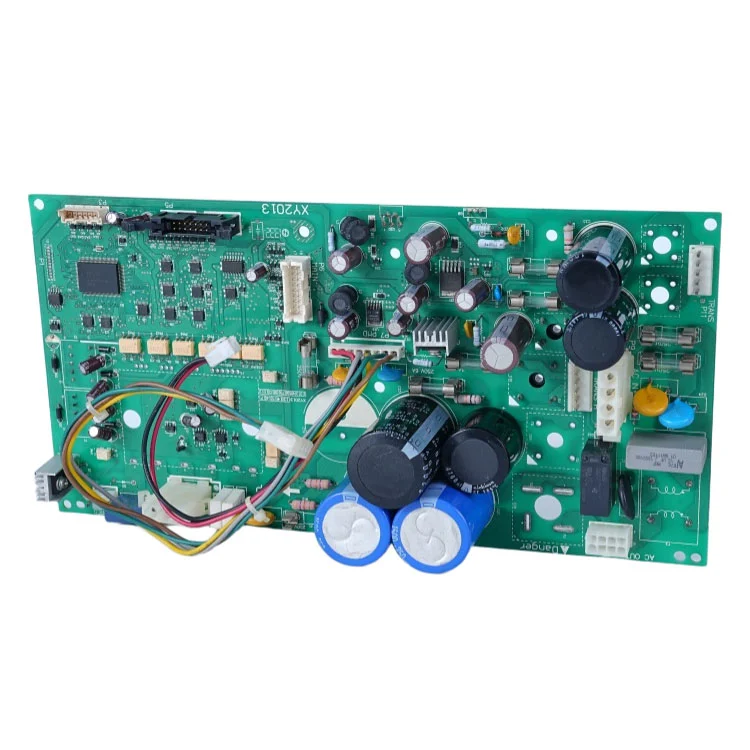
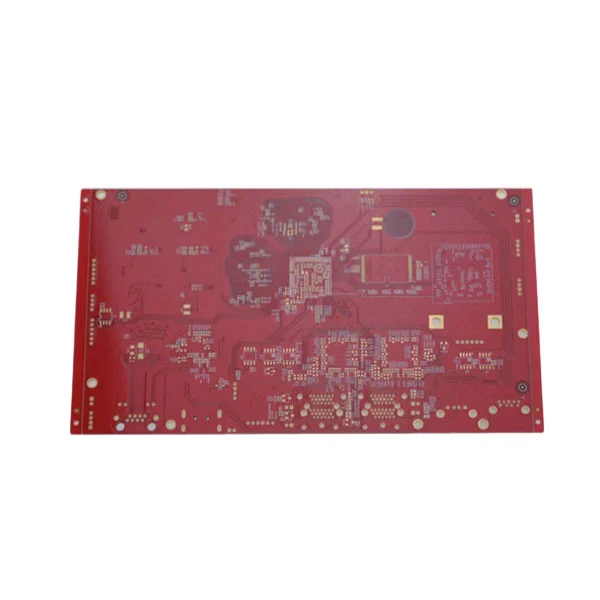
Surface-mount technology dominates modern electronics manufacturing, but through-hole technology remains essential for applications that demand mechanical strength, high-power handling, and reliable connections. The THT PCB Assembly services from Fanway bridge the gap between traditional craftsmanship and modern automation. With 12+ years of experience, IPC-A-610 Class 2 certified processes, and a defect rate below 0.2%, Fanway delivers reliable through-hole assembly for connectors, power modules, and ruggedized electronics. This article examines the capabilities, quality standards, and applications of THT assembly, and why it continues to be a critical service for many industries.
The Enduring Value of Through-Hole Technology
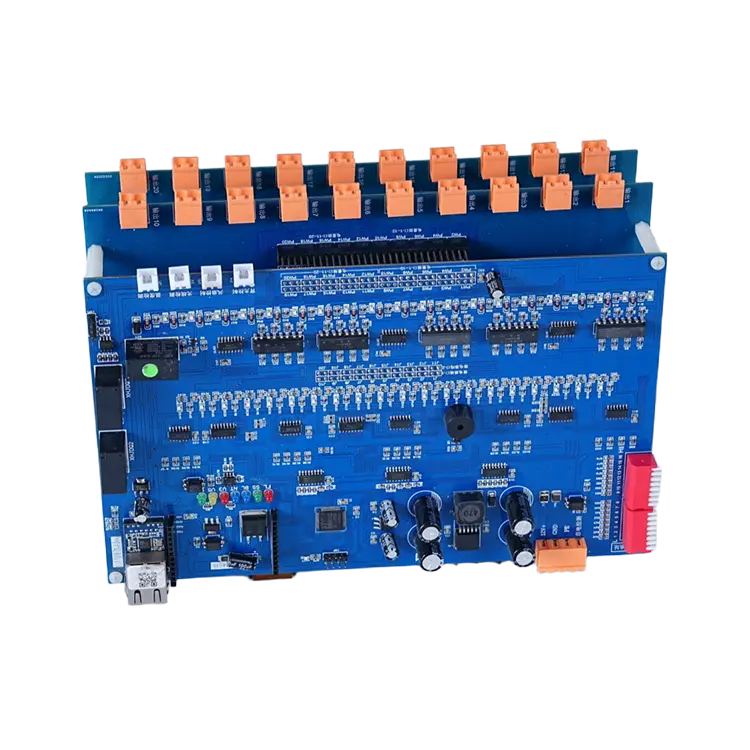
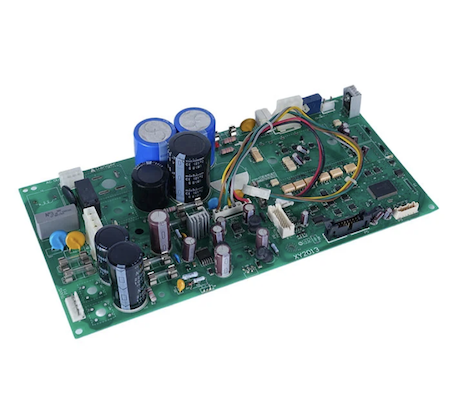
In the fast-paced world of electronics manufacturing, surface-mount technology has become the standard for most PCB assemblies. Its ability to support high-density component placement and automated production makes it the go-to choice for compact, high-volume designs. However, through-hole technology remains essential for applications where mechanical strength, high-power handling, and reliable connections are critical. Components such as connectors, transformers, relays, and power modules often require the robust solder joints that only through-hole assembly can provide.
Fanway Technology has been a provider of electronic manufacturing services for over 12 years, offering a complete range of PCB assembly solutions. Their THT PCB Assembly services combine skilled manual work with automated insertion and selective soldering systems, delivering reliable results for both small-batch prototyping and high-volume production. This article explores the capabilities, quality standards, and applications of THT assembly at Fanway.
THT PCB Assembly Capabilities at a Glance
Below is a summary of the key capabilities for the THT PCB Assembly services from Fanway.
Bridging Traditional Craftsmanship with Industry 4.0
One of the key strengths of this service is the balance between skilled manual work and automated efficiency. While many components can be placed and soldered using automated systems, certain components—such as odd-form parts, transformers, and relays—require the precision of skilled technicians. The technicians handle through-hole rework and repairs with precision down to 0.5mm pitch, ensuring that even the most challenging assemblies meet quality standards.
On the automation side, the facility is equipped with Universal Instruments THT insertion systems that can place over 1,200 components per hour. The 6-zone selective soldering systems maintain thermal control within ±1.5°C, ensuring consistent solder joint quality. This combination of manual precision and automated efficiency allows the company to handle both small-batch prototyping and high-volume production with equal effectiveness.
Ensuring Reliability in Every Connection
Quality control is a critical aspect of any PCB assembly process, and through-hole assembly is no exception. The company adheres to IPC-A-610 Class 2 standards and ISO 9001:2015 certified processes. Every assembly undergoes 100% automated optical inspection after soldering, with additional X-ray and functional testing as required by the application.
The defect rate across more than 50 million annual through-hole connections is maintained below 0.2%, reflecting the effectiveness of the quality control systems. End-to-end traceability is provided through full component lot tracking and solder profile monitoring, compliant with ISO 13485 (medical devices) and IATF 16949 (automotive) standards. This level of traceability is essential for industries where reliability and compliance are non-negotiable.
Mixed-Technology Assembly: Combining THT and SMT
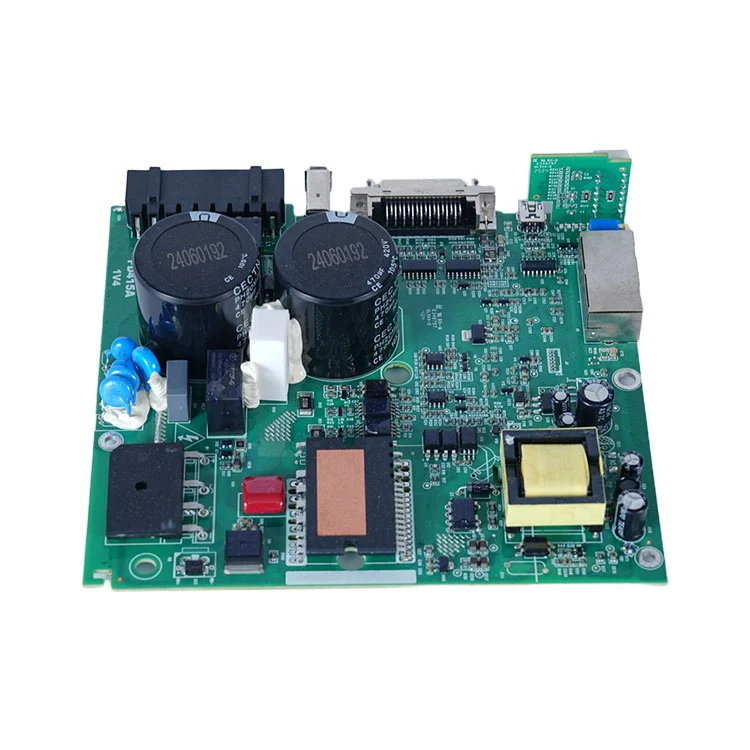
Many modern electronic devices require a combination of through-hole and surface-mount components. For example, a power supply board might use SMT for control circuitry and THT for power connectors and transformers. The company's mixed-technology assembly capability allows for seamless integration of both types of components on a single board.
Selective soldering and wave soldering systems are used to achieve ±0.1mm placement accuracy, ensuring that both SMT and THT components are correctly positioned and soldered. This capability is particularly valuable for complex designs that require the mechanical strength of THT connections alongside the density of SMT components. The facility also accommodates oversized parts up to 50mm in height, using servo-driven insertion systems and 10-zone nitrogen reflow ovens to maintain consistent quality.
Frequently Asked Questions
Q: What is the lead time for THT PCB Assembly?
A: For prototypes, the lead time is typically 3-5 working days. For high-volume orders, it ranges from 10 to 15+ working days, depending on complexity and quantity.
Q: Which is more suitable for my product: THT or SMT?
A: It depends on your design requirements. THT is better suited for products that require high reliability and mechanical strength, such as connectors and power modules. For compact, high-density designs, SMT is usually more appropriate. Many products use a combination of both.
Q: Do you support small-batch production?
A: Yes. The company specializes in small-batch production for prototyping and low-volume orders, with flexible processes that ensure high quality and quick turnaround.
Q: What quality certifications does the facility hold?
A: The facility is certified to ISO 9001:2015, IATF 16949, and ISO 13485, with processes complying with IPC-A-610 Class 2 standards.
Q: Can you handle mixed-technology assemblies with both THT and SMT components?
A: Yes. The facility is equipped to handle mixed-technology assemblies, integrating THT and SMT components using selective soldering and wave soldering systems.
Q: What is the typical defect rate for THT assembly?
A: The defect rate is maintained below 0.2% across more than 50 million annual through-hole connections.
Conclusion
The THT PCB Assembly services from Fanwaydemonstrate that through-hole technology remains a vital part of modern electronics manufacturing. With high-quality standards, flexible production capabilities, and a commitment to reliability, the company provides a trusted solution for industries that require the mechanical strength and durability of through-hole connections. Backed by ISO 9001, IATF 16949, and ISO 13485 certifications, and supported by end-to-end traceability, this service is a practical choice for power electronics, automotive, medical, and industrial applications. For inquiries, technical specifications, or to request a quote, please contact us now.
We use cookies to offer you a better browsing experience, analyze site traffic and personalize content. By using this site, you agree to our use of cookies.Privacy Policy