Shenzhen Fanway Technology Co., Ltd.
PCB Assembly

PCB Assembly

Fanway specializes in delivering efficient and reliable end-to-end PCB assembly services, precisely tailored to your unique requirements to accelerate your product success.

SMT and THT Assembly of Rapid Prototyping PCB Board
  • SMT and THT Assembly of Rapid Prototyping PCB BoardSMT and THT Assembly of Rapid Prototyping PCB Board

SMT and THT Assembly of Rapid Prototyping PCB Board

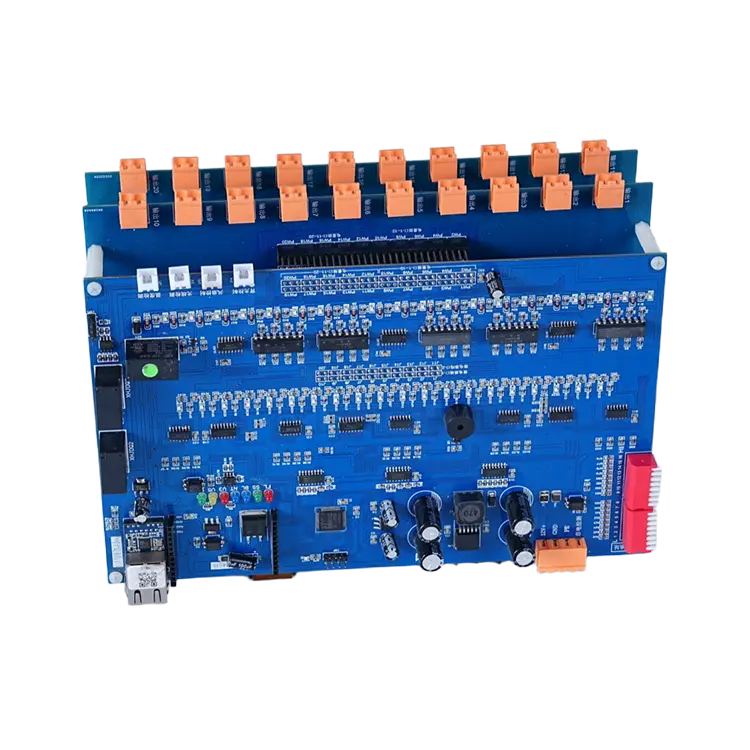
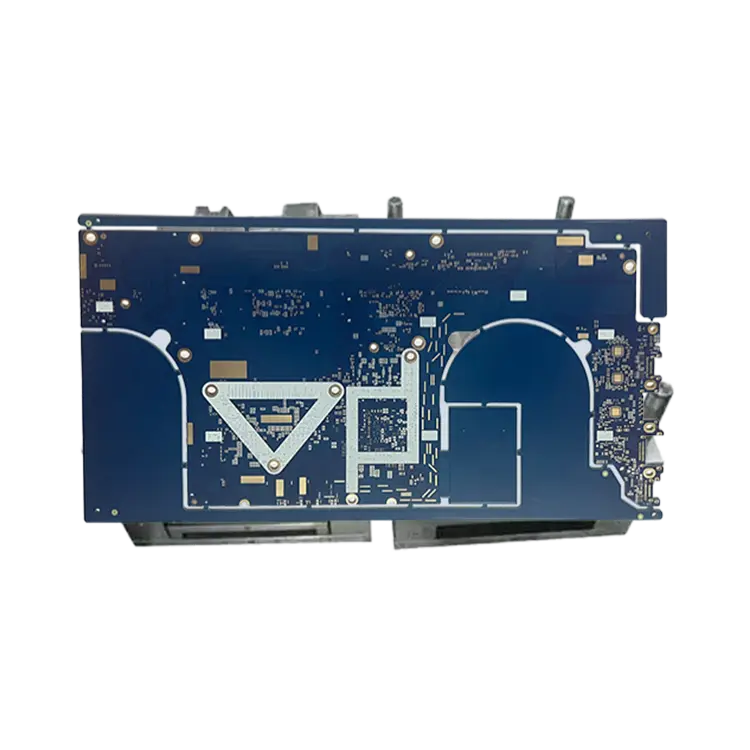
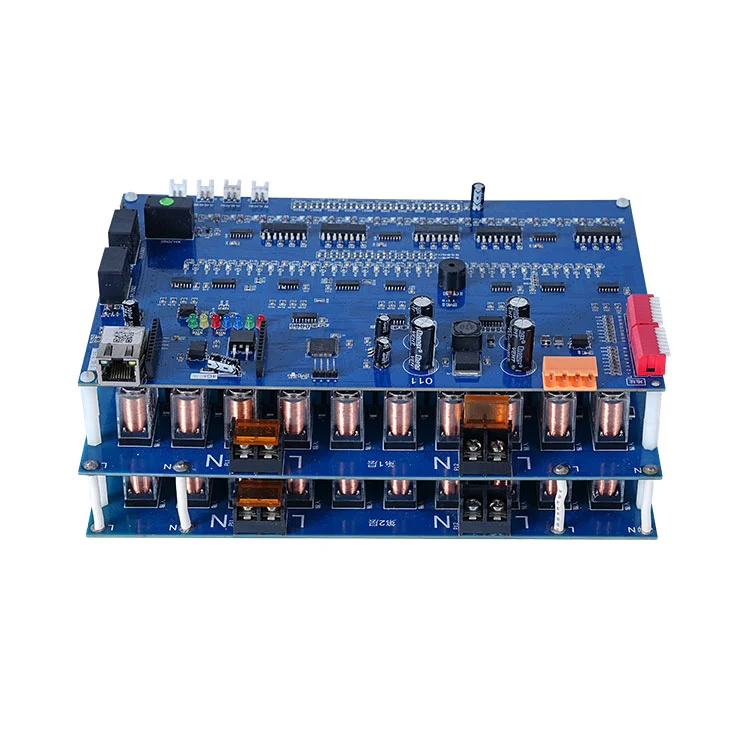
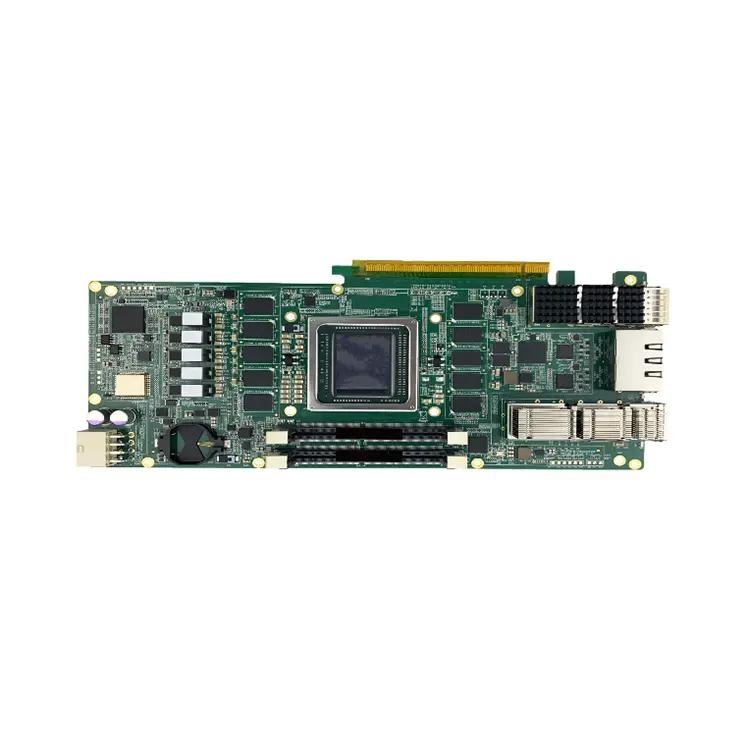
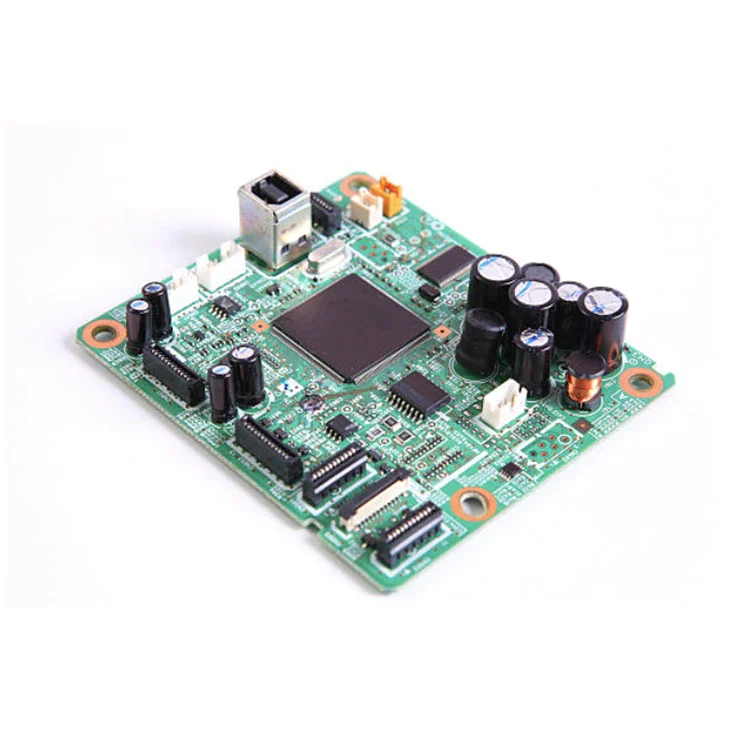
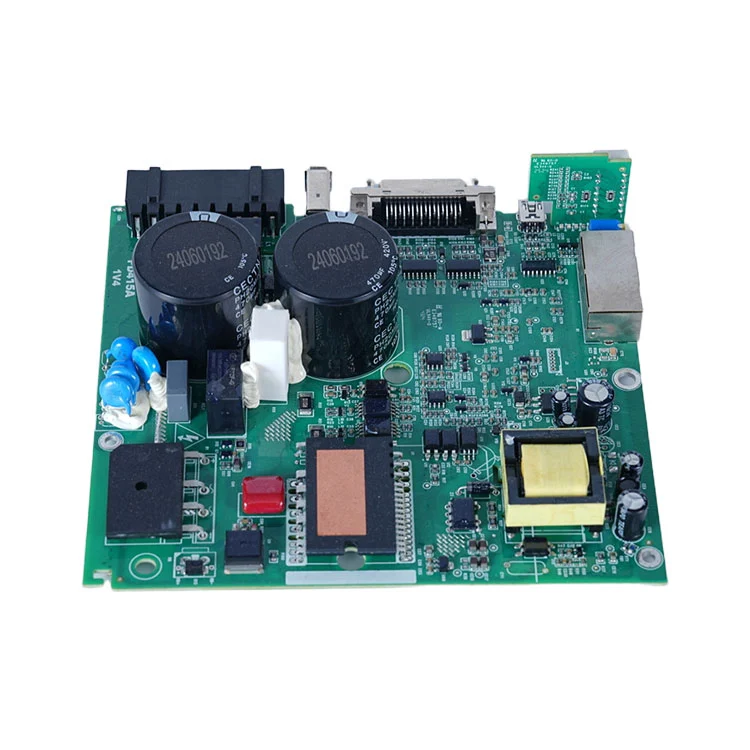
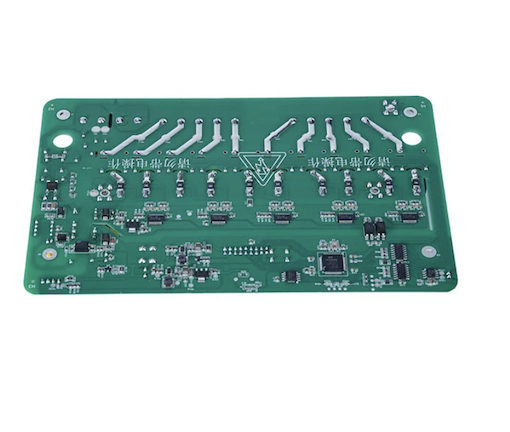
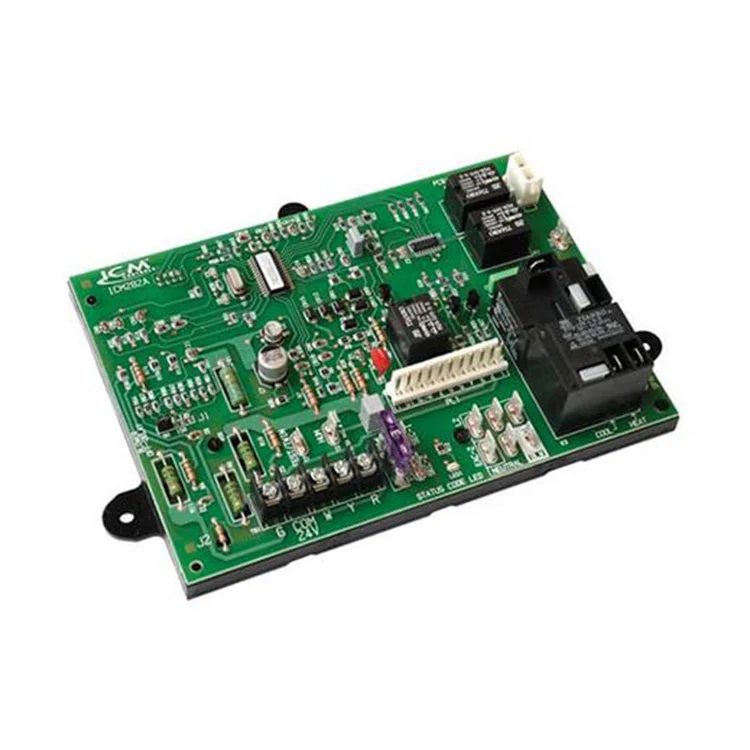
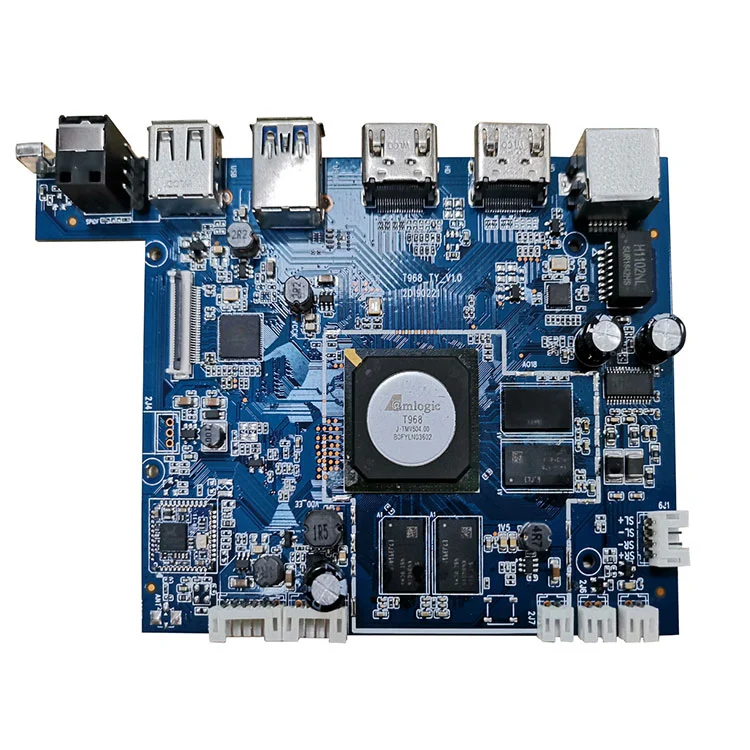
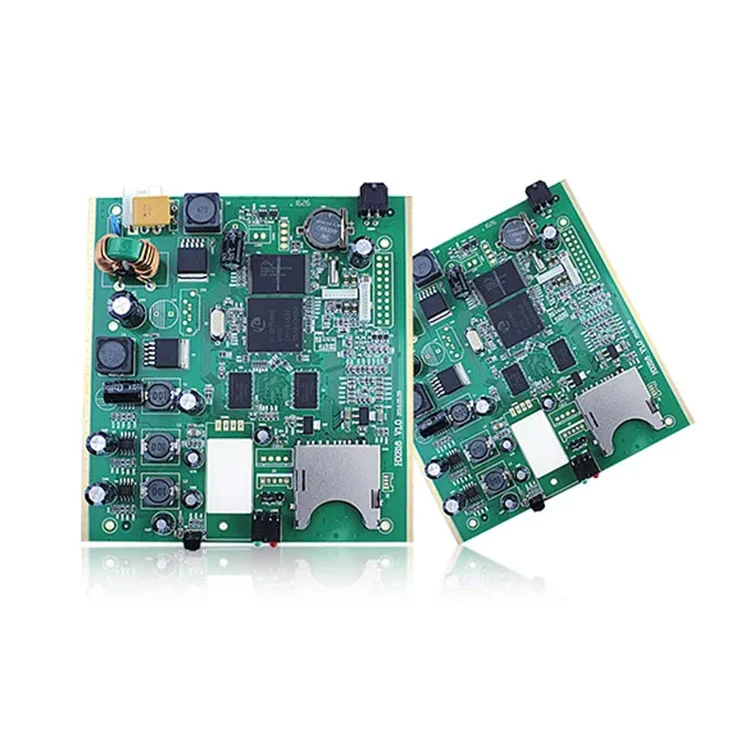
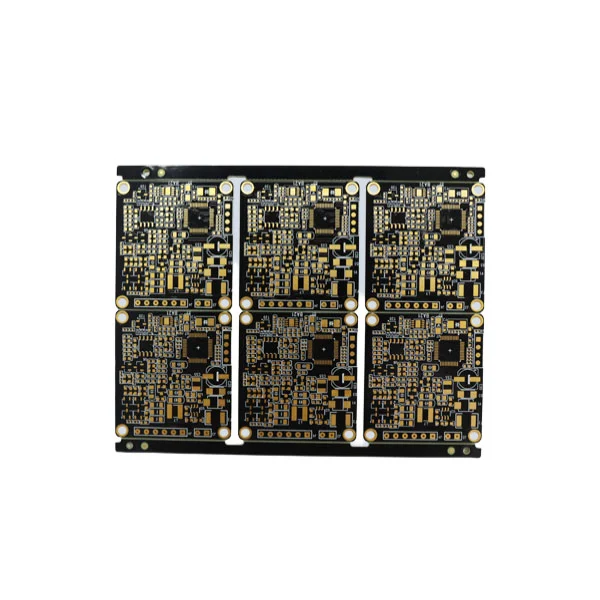
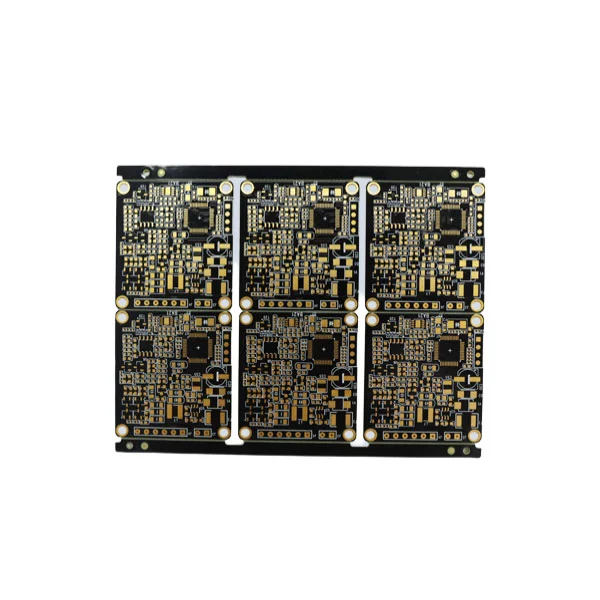
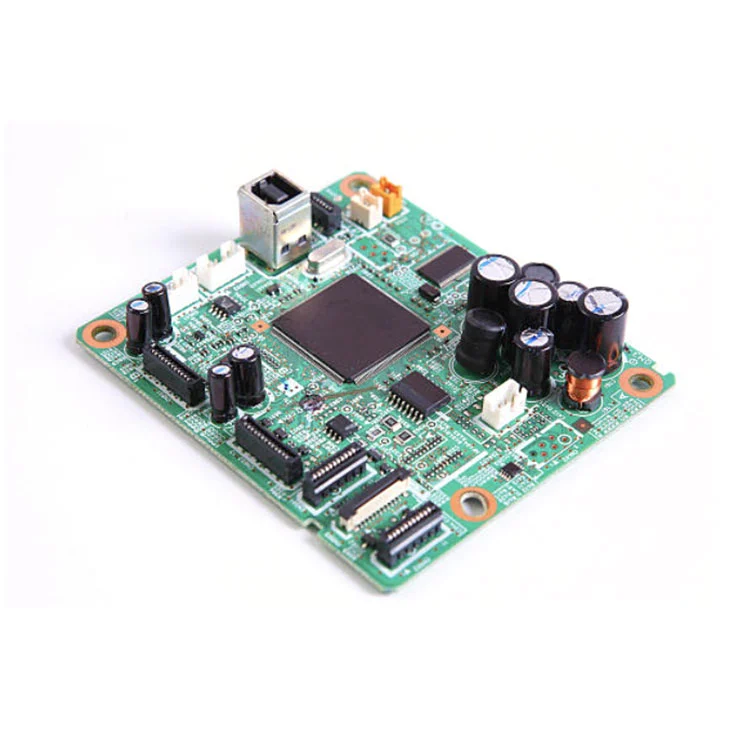
Fanway is a manufacturer and supplier from China of SMT and THT Assembly of Rapid Prototyping PCB Board. Prototype assembly exists because simulation cannot replace physical validation; signal integrity, thermal behaviour, and power distribution only reveal themselves when a board is powered on. Our service ensures your design gets tested before you commit to production tooling.

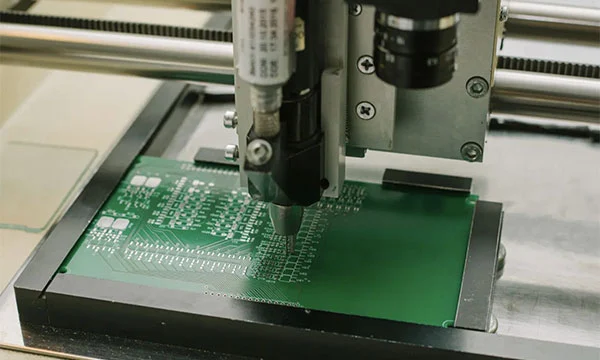
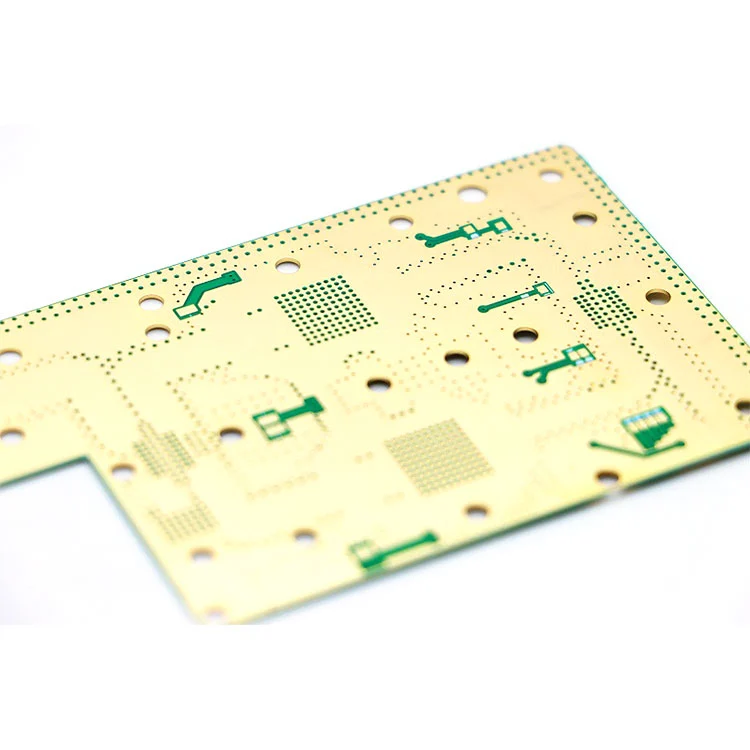
The SMT and THT Assembly of Rapid Prototyping PCB Board provided by Fanway starts with a DFM review that catches pad spacing, hole size, and component clearance issues before the first component is placed. We then assemble your board using SMT placement, through hole soldering, and full testing. With 24 hour delivery from file confirmation, you receive working boards fast enough to keep development moving. One piece is our minimum to make your budget and payment more flexible.

SMT and THT Assembly of Rapid Prototyping PCB Board

Prototype PCB Assembly Advantages

1. Early validation, risk reduction

SMT and THT Assembly of Rapid Prototyping PCB Board allows you to test your circuit design in the physical world before committing to expensive production tooling and large component orders. Catching a design flaw at this stage costs a fraction of what it would take to rework a mass produced batch. One prototype iteration can prevent a catastrophic loss that would otherwise be discovered only after thousands of units are built.

2. Accelerated R&D iteration

Fast turnaround, typically 24 hours, means your engineering team can receive new board revisions within days and start testing immediately. Shorter iteration cycles allow more design refinements within the same project timeline, directly improving product maturity before production release.

3. Parallel firmware development

Prototype boards provide a real hardware platform for software engineers to write and test embedded code. Instead of waiting for production boards, firmware development can proceed in parallel with hardware validation, compressing the overall project schedule. This parallel workflow is essential for meeting tight market windows.

4. Controlled cost structure

Small batch production keeps prototype stage expenses far below the cost of a full production run. R&D teams and startups can order exactly the number of boards needed for testing, avoiding excess inventory and unnecessary capital outlay. This flexibility makes prototyping accessible even for projects with limited budgets.

Why Engineers Choose Fanway 

Fanway understands the demands of the prototyping phase: speed, accuracy, and cost control. Here are the specific advantages that keep engineers coming back.

1. Lightning fast execution: from Gerber files to shipped boards in 24 hours. Standard quick turn cycles take 3 to 7 days; our 24 hour delivery allows engineering teams to complete more design validation rounds within the same project timeline.

2. No minimum order quantity: build 1 to 50 units cost effectively. R&D teams and startups can order exactly what they need for testing without committing to large quantities, keeping prototype budgets under control.

3. Real time production tracking: through our online production portal, clients can monitor assembly progress at any time. Every board's status is transparent from placement to testing, and each step is traceable, so project scheduling no longer relies on emails or phone calls.

4. Precision placement capability: ASM SiPlace SX2 placement systems achieve 0.1mm positioning accuracy for 01005 components. This level of precision ensures that miniature components are placed correctly on high density boards, which directly determines whether a prototype using ultra small packages will function properly.

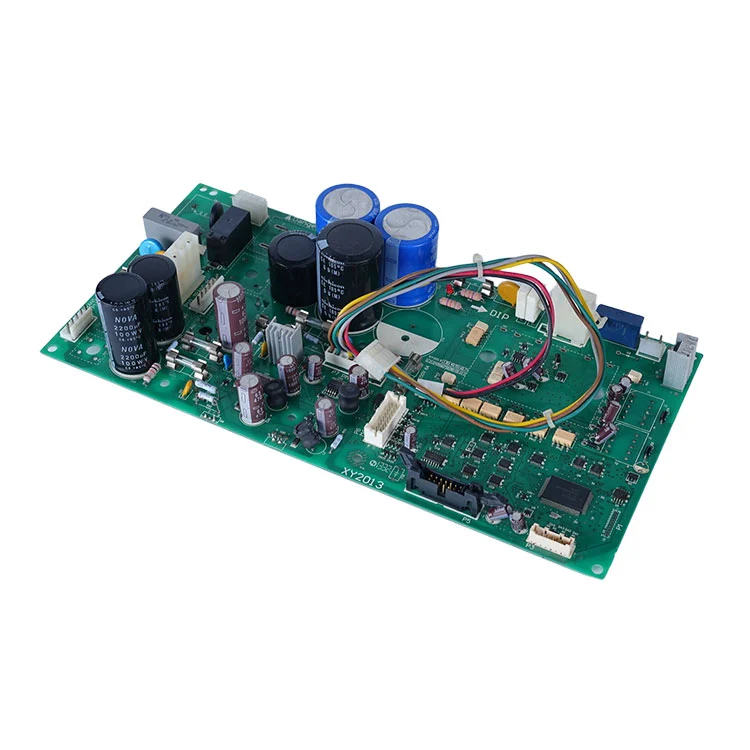
5. Mixed technology support: SMT, THT, and press fit connectors can be assembled on the same board. When your design includes both BGA chips and large connectors, you don't need to split production across multiple vendors; we complete it all in one facility.

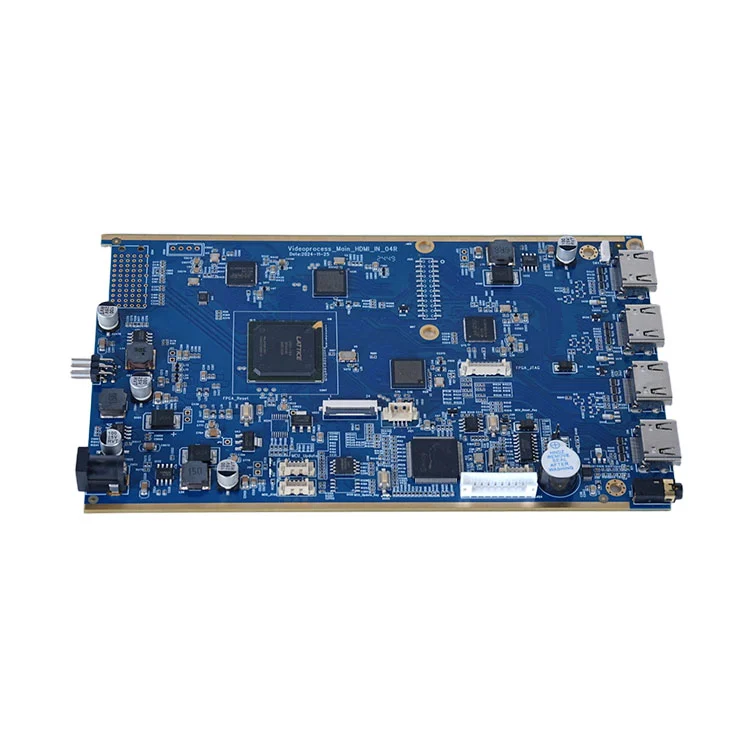
6. BGA and CSP handling: 0.3mm pitch BGA and CSP components are assembled and verified with X ray inspection. This supports designs using the latest generation of fine pitch ball grid array devices. Solder joint quality for these components cannot be confirmed by optical inspection alone; X ray is the only verification method.

7. Risk free development support: free DFM check catches design errors before production, and statistics show that 83% of assembly issues originate from design stage manufacturability flaws. For IP protection, we sign confidentiality agreements and use encrypted data transfer so your design files are not leaked or used for other purposes. For component sourcing, we have access to over 20 million stocked parts and integrate with major distributors like Mouser and DigiKey, so small quantity prototype components are not a concern regarding minimum order quantities or lead times.

Application Areas

Fanway's SMT and THT Assembly of Rapid Prototyping PCB Board service is widely used across the following fields.

IoT devices and wearables: small form factor, high density, and low power consumption demand precision placement and rapid iteration during prototyping. Typical products include smart sensors, health monitoring bands, and wireless communication modules.

Automotive control modules: in vehicle electronics require high reliability and environmental resilience. ECU prototypes, BMS battery management boards, and body control modules all require indispensable functional verification and reliability testing at the prototype stage.

Medical diagnostic tools: medical devices involve strict regulatory approval; thorough validation at the prototype stage is a prerequisite for subsequent FDA or CE certification. This includes monitor mainboards, ultrasound control boards, and portable diagnostic equipment.

Aerospace test systems: high reliability requirements mean every design change must be physically verified. Prototype boards for avionics controllers and flight test data acquisition systems need to meet military grade conformal coating and THT press fit connector specifications.

Telecommunications and networking equipment: complex high speed boards benefit from prototype assembly to validate signal integrity before production. This includes router mainboards, optical module control boards, and base station RF boards.

Testing and Quality Control

Testing for SMT and THT Assembly of Rapid Prototyping PCB Board is a critical step in electronic manufacturing. Fanway offers a comprehensive range of testing services.

In Circuit Testing verifies the electrical performance of individual components and circuits on the assembled board, quickly detecting shorts, opens, and component parameter deviations.

Functional Testing confirms the board operates as designed under real operating conditions, simulating actual usage scenarios.

Burn In Testing subjects boards to extended operation to identify early life failures before they reach the field, ensuring that delivered boards do not show hidden faults during continuous operation.

Automated Optical Inspection detects soldering defects, component placement errors, and polarity issues, covering comprehensive inspection of solder joint appearance quality.

X Ray Inspection provides visibility into hidden joints such as BGAs and LGAs that cannot be inspected optically, confirming solder joint integrity for ball grid array devices.

Common Assembly Issues and Prevention

Poor soldering quality including cold joints, solder bridges, and insufficient solder. 

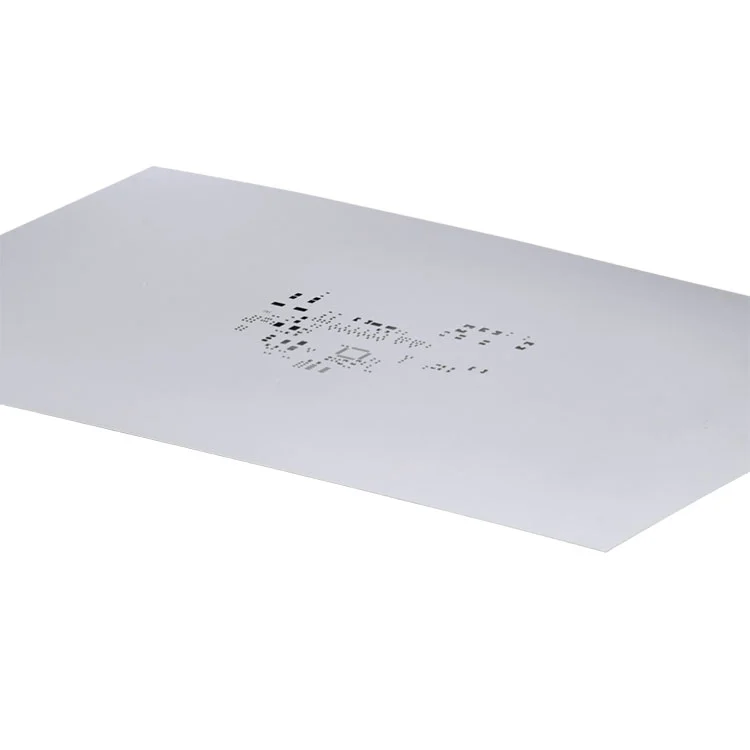
Prevention: controlled reflow profiles and SPI solder paste inspection, where paste thickness and shape are recorded for each board.

Component placement errors involving incorrect orientation or position. 

Prevention: AOI inspection after placement and X ray verification for BGAs.

Package mismatch where the component package does not match the PCB pad design. 

Prevention: DFM review before production, where our engineering team checks each component's package dimensions.

File errors such as missing Gerber layers or incorrect drill files. 

Prevention: engineering verification of all incoming files to ensure layer completeness and correct drill coordinates.

Which assembly process is right for you?

Assembly Method Key Advantages Best‑Suited Applications
Surface Mount (SMT) High density, miniaturization, high efficiency Consumer electronics, communication equipment, computer motherboards, and other products requiring large numbers of components.
Through‑Hole (THT) High mechanical strength, excellent power/thermal dissipation Aerospace, military, automotive ECUs, power modules, connectors, and other high‑reliability scenarios.
Mixed Assembly Combines performance and reliability, maximum design flexibility Automotive electronics, medical devices, industrial controls, and other complex products that need both high‑density chips and high‑power components.
Prototype Assembly Fast turnaround, low cost, design validation Hardware development stages – for testing and iterative design, reducing mass‑production risks.
Hot Tags: SMT and THT Assembly of Rapid Prototyping PCB Board
Send Inquiry
Contact Info
  • Address

    Building 3, The First Industrial Zone of Mingjinhai, Shiyan Street, Bao'an District, Shenzhen, Guangdong, China, Zip Code:518108

For inquiries about printed circuit board, electronics manufacturing, pcb assembly please leave your email to us and we will be in touch within 24 hours.
X
We use cookies to offer you a better browsing experience, analyze site traffic and personalize content. By using this site, you agree to our use of cookies.Privacy Policy
RejectAccept