Shenzhen Fanway Technology Co., Ltd.
News

News

What Is FR4 PCB and Why Is It Important in Electronics?

2025-12-29 0 Leave me a message
What Is FR4 PCB and Why Is It Important in Electronics?

FR4 PCB is one of the most widely used printed circuit board substrates in the electronics industry. In this comprehensive article, we explore what FR4 PCB stands for, how it is manufactured, where it is applied, and why it remains a cornerstone material for modern electronics design and manufacturing.

This article explains the meaning of FR4 PCB, its properties, manufacturing processes, advantages, limitations, real-world applications, and comparisons with alternative PCB materials. It provides practical insights for engineers, hobbyists, buyers, and technology enthusiasts. You will also find a detailed FAQ section that answers common questions related to FR4 PCBs.

FR4 PCB


📑 Table of Contents


❓ What Is FR4 PCB?

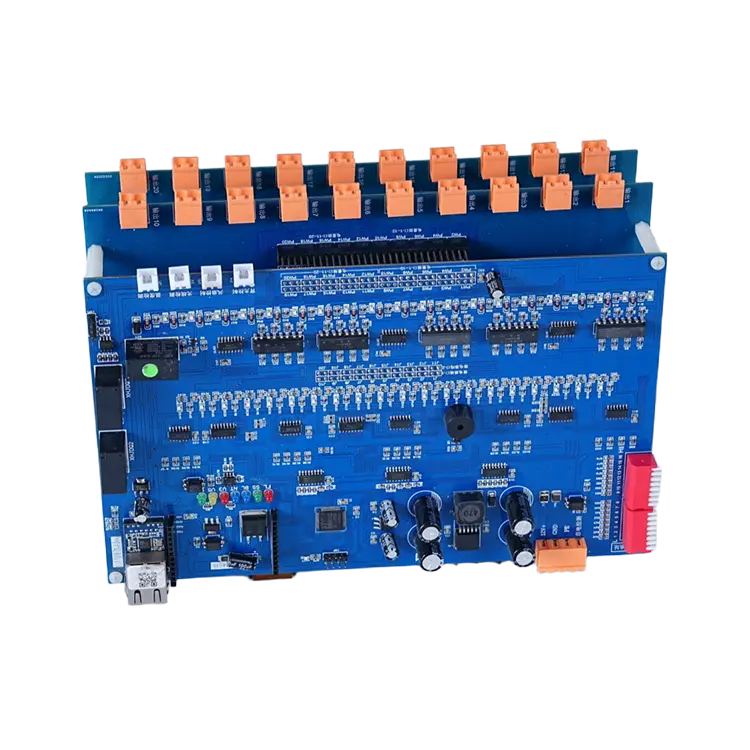
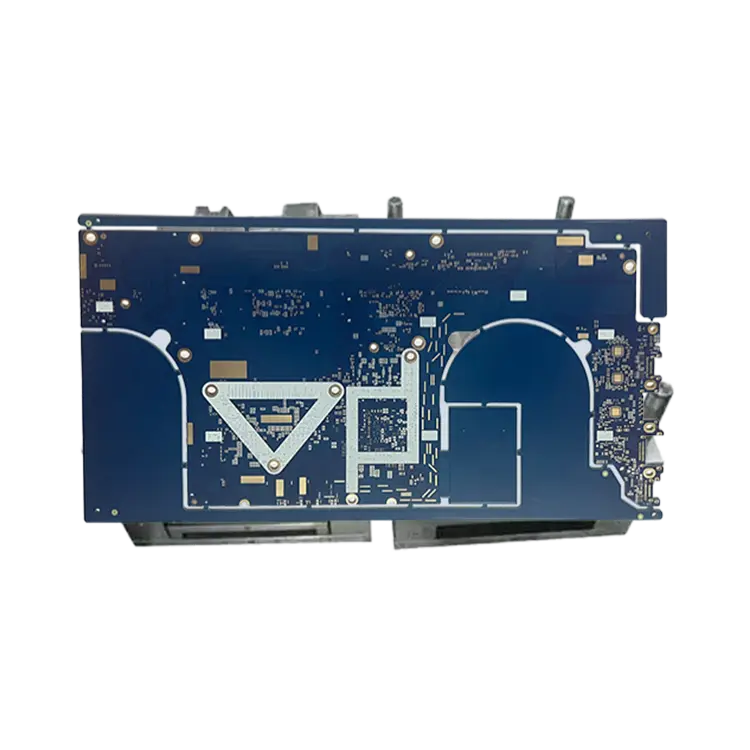
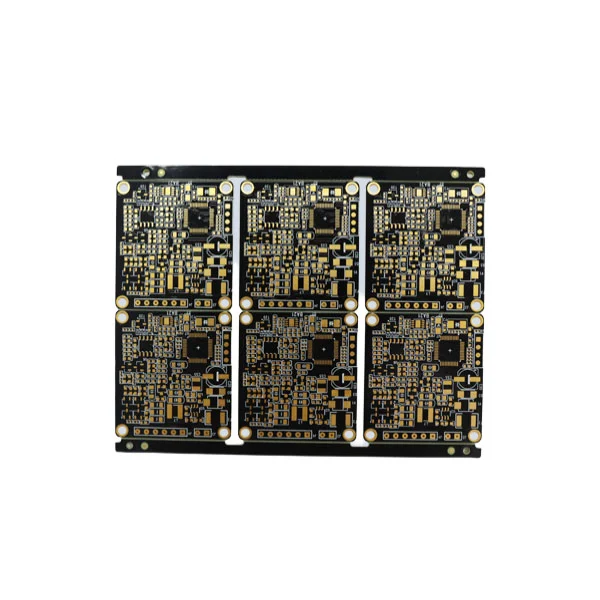
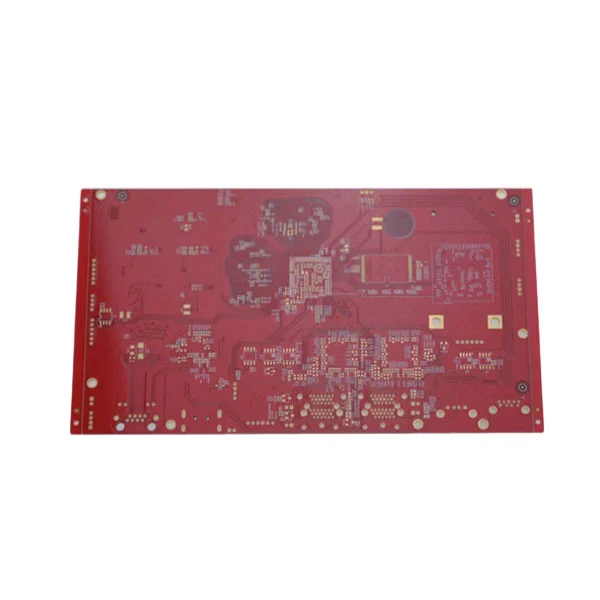
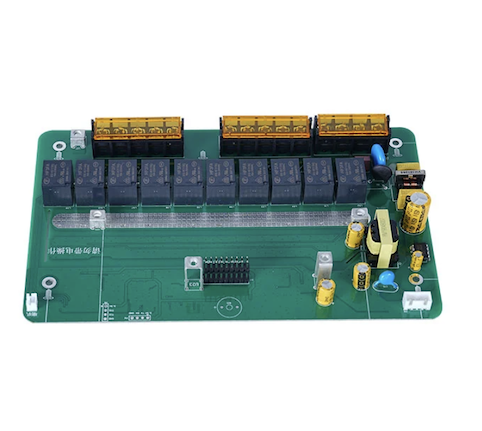
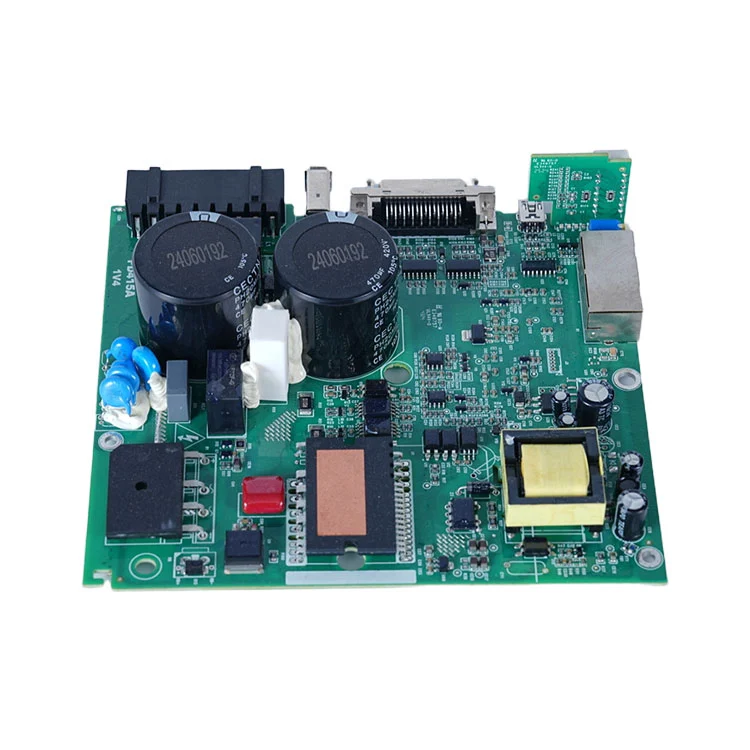
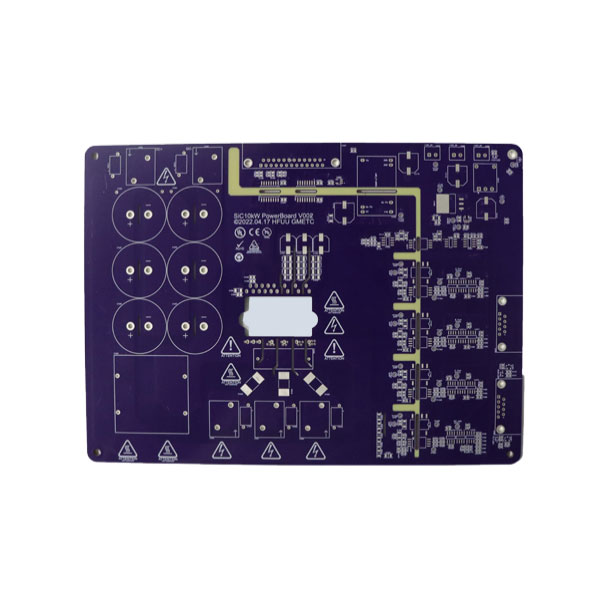
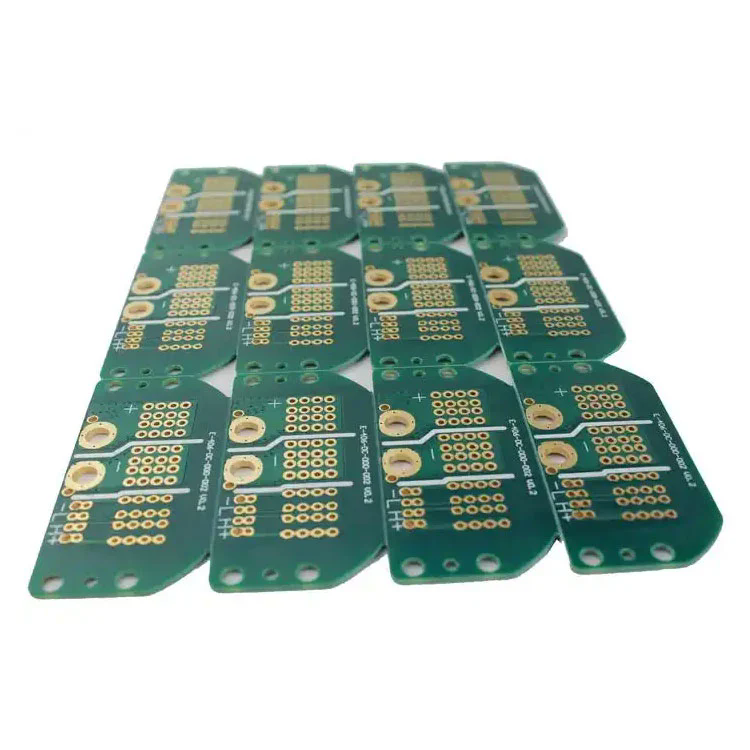
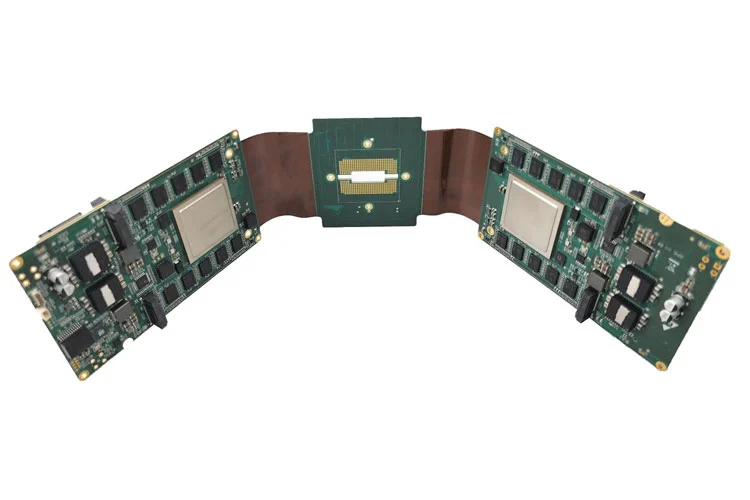
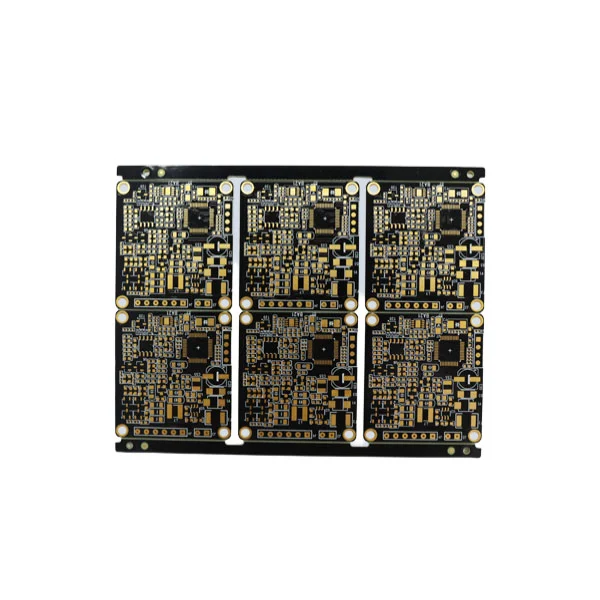
An FR4 PCB refers to a Printed Circuit Board that uses FR4 as the base material. FR4 stands for “Flame Retardant 4,” which is a grade designation assigned to fiberglass reinforced epoxy laminate material. It is the de facto standard substrate used across most electronics due to its strong mechanical strength, excellent electrical insulation, and capacity to operate in a wide temperature range.

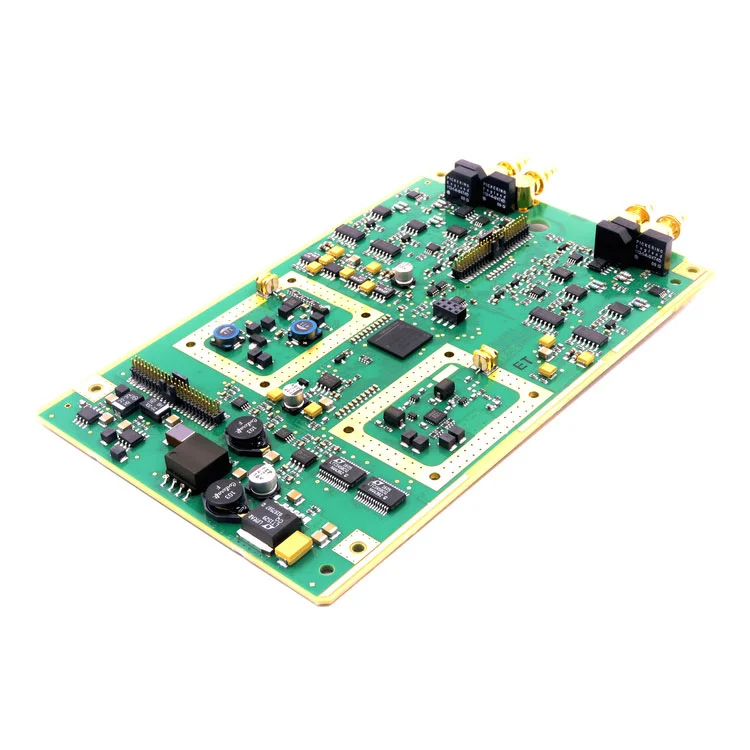
The term “PCB” means a platform that interconnects electronic components via etched copper circuitry and plated-through holes. When combined with FR4, it forms a durable and reliable board suitable for everything from low-cost consumer electronics to industrial control systems.


❓ How Is FR4 PCB Made?

Manufacturing an FR4 PCB involves several precise steps to ensure consistency and quality. The fundamental elements include copper foil, FR4 laminate sheets, and a series of processes that transform raw materials into functional circuit boards.

📍 Step-by-Step Manufacturing Process

  1. Material Preparation: FR4 laminate sheets are cut to size and cleaned.
  2. Copper Lamination: Copper layers are bonded to the FR4 core under heat and pressure.
  3. Photoengraving: A photosensitive mask is applied and exposed to UV light to define copper traces.
  4. Etching: Unwanted copper is removed using chemical etchants, leaving precise circuit patterns.
  5. Drilling: CNC machines drill holes for vias and component leads.
  6. Plating: Hole walls are plated with copper to electrically connect layers.
  7. Solder Mask & Silkscreen: Protective coatings and identification marks are applied.
  8. Testing and Inspection: Finished boards undergo electrical testing to detect faults and ensure performance.

❓ Why Choose FR4 Material for PCBs?

Choosing FR4 material for PCB fabrication offers a range of benefits that make it ideal for many applications. Its balanced performance, cost-effectiveness, and versatility contribute to its widespread adoption.

🤔 Key Advantages of FR4

  • High Strength: Excellent mechanical stability for static and dynamic loads.
  • Good Insulation: Low dielectric constant and loss tangent reduce signal distortion.
  • Flame Retardant: Complies with safety standards due to self-extinguishing properties.
  • Temperature Tolerance: Performs well across a wide temperature range (typically up to ~130°C).
  • Cost Efficiency: Competitive pricing compared to advanced composites.

❓ Which Properties of FR4 Matter Most When Designing PCBs?

When selecting a material for PCB design, engineers evaluate several key properties that influence performance and reliability. FR4 demonstrates favorable characteristics across many criteria.

Property Description Typical Value / Note
Dielectric Constant (Dk) Indicates the PCB’s ability to store electrical energy. ~4.3–4.8
Thermal Stability Ability to withstand heat without degradation. Up to ~130°C
Tensile Strength Resistance to mechanical deformation. High
Flame Retardancy Safety in applications where fire risk exists. Meets UL94 V-0 rating
Moisture Resistance Essential for boards in humid environments. Good

❓ What Are Common FR4 PCB Applications?

FR4 PCBs are ubiquitous due to their versatility and dependability. Below is an overview of applications where FR4 performs exceptionally well.

🌍 Typical Use Cases

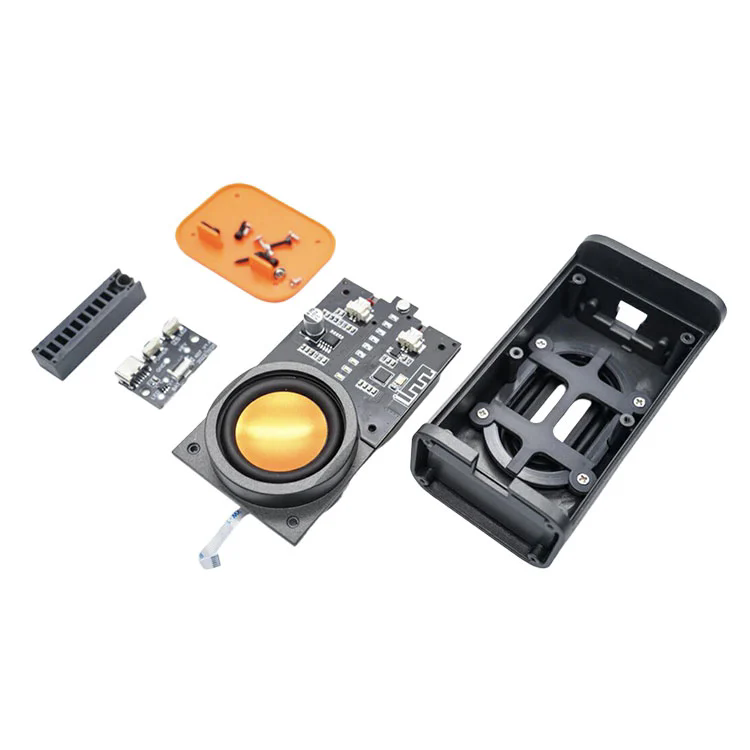
  • Consumer Electronics: Smartphones, tablets, home appliances.
  • Industrial Control: PLCs, motion controllers, power supplies.
  • Automotive Electronics: Dashboards, sensors, infotainment systems.
  • Communication Devices: Routers, RF modules, networking equipment.
  • Medical Devices: Diagnostic machines, equipment controllers.

❓ How Does FR4 Compare With Other PCB Materials?

Engineers often choose between FR4 and alternative materials like polyimide, Rogers, or metal core substrates. Each material offers unique benefits suited for specific needs.

Material Best For Advantages Limitations
FR4 General electronics Cost-effective, strong, reliable Not ideal for high-frequency RF
Polyimide Flexible PCBs High heat resistance, flexible Higher cost
Rogers High-frequency RF Low loss, stable Dk Expensive
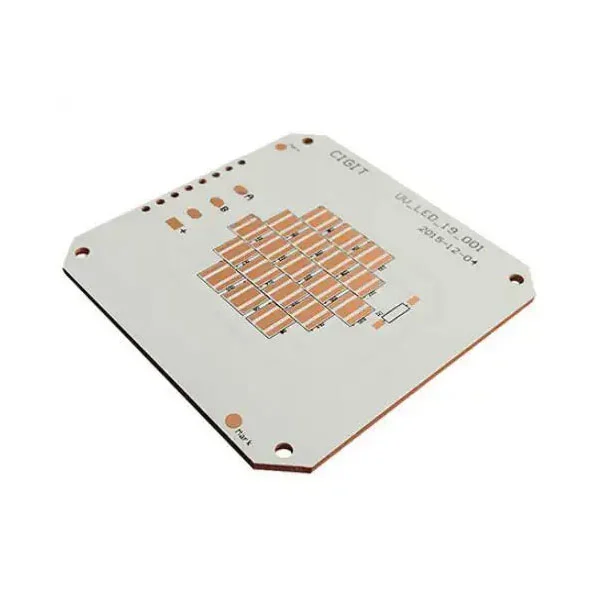
Metal Core Power LED applications Excellent heat dissipation Heavy and costly

❓ Frequently Asked Questions (FAQ)

Q: What does “FR4” stand for in PCB?

A: FR4 stands for “Flame Retardant 4,” indicating a glass-reinforced epoxy laminate that resists fire and provides structural strength for PCBs.

Q: Why is FR4 used so widely in the PCB industry?

A: FR4 combines mechanical strength, electrical insulation, thermal resistance, and cost-effectiveness, making it suitable for a wide range of electronic applications.

Q: Can FR4 be used in high-frequency RF applications?

A: While FR4 is used in lower-frequency circuits, high-frequency RF circuits often require materials like Rogers that have lower dielectric losses for better signal integrity.

Q: How does humidity affect FR4 PCBs?

A: FR4 has good moisture resistance, but long-term exposure to high humidity can still affect performance. Protective coatings and conformal layers help mitigate this.

Q: Is FR4 suitable for automotive electronics?

A: Yes, FR4 is widely used in automotive electronics due to its thermal stability and durability, though specific high-temperature variants may be chosen for extreme environments.


📌 Final Thoughts

Understanding FR4 PCB is essential for anyone working with or learning about electronic design and manufacturing. Its balanced characteristics make it the backbone material for countless devices worldwide. Whether you are evaluating materials for a new project or choosing a supplier, FR4 remains a dependable choice.

For high-quality FR4 PCB fabrication tailored to your specifications, consider partnering with Shenzhen Fanway Technology Co., Ltd — a trusted provider of precision PCB manufacturing solutions. Contact us.

Related News
Leave me a message
X
We use cookies to offer you a better browsing experience, analyze site traffic and personalize content. By using this site, you agree to our use of cookies. Privacy Policy
Reject Accept