What Is an SMT Stencil and How Does It Impact PCB Assembly Quality?
An SMT Stencil is one of the most critical yet often underestimated components in modern electronics manufacturing. It directly determines solder paste deposition accuracy, component alignment, and overall PCB assembly yield. This comprehensive guide explores what an SMT Stencil is, how it works, the different types and materials available, and why it plays a decisive role in achieving high-reliability surface mount technology (SMT) production. Drawing on industry standards and manufacturing best practices, this article is written from an EEAT-focused perspective to support engineers, purchasing managers, and decision-makers seeking authoritative guidance.
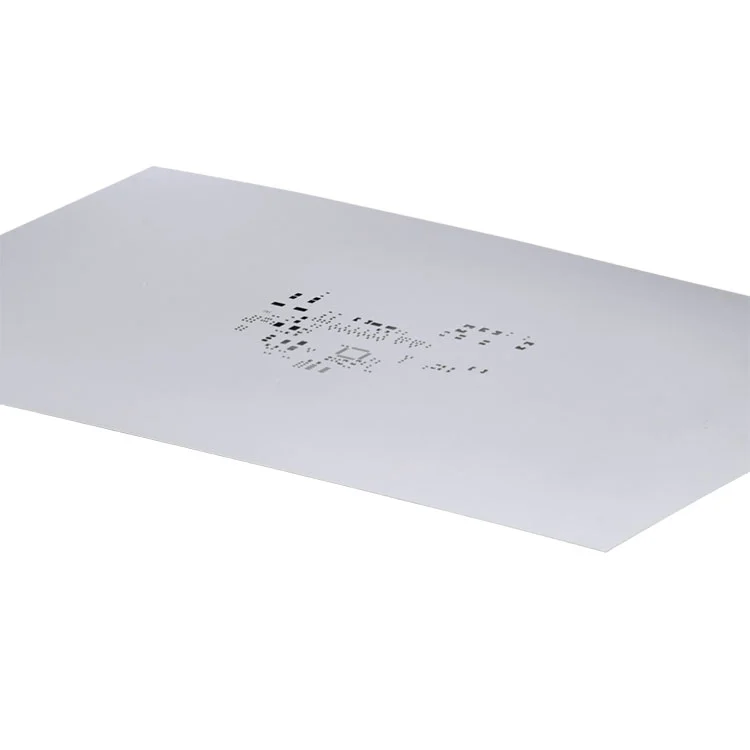
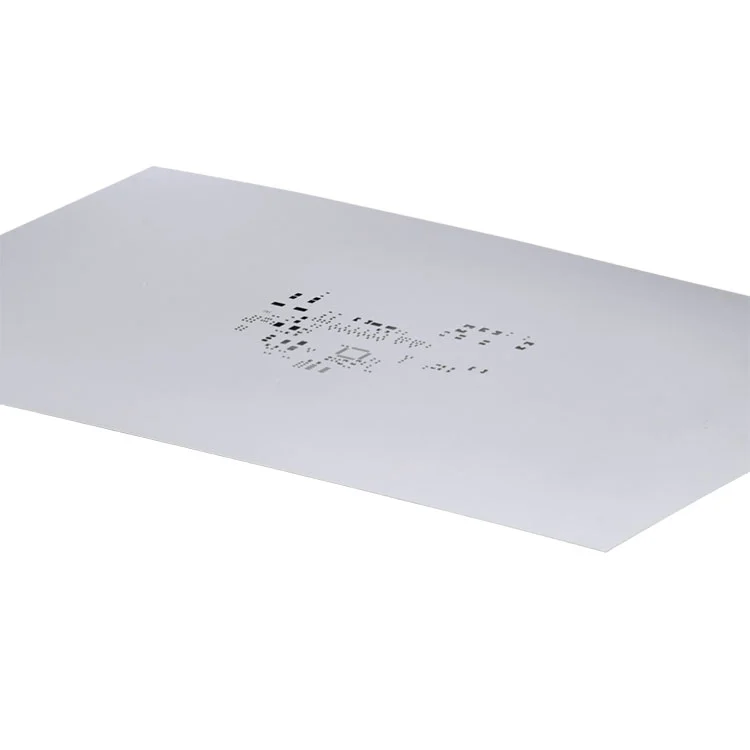
An SMT Stencil is a precision-fabricated metal sheet used in the solder paste printing stage of surface mount technology assembly. It contains laser-cut apertures that correspond exactly to the solder pads on a printed circuit board (PCB). During production, solder paste is applied across the stencil surface, allowing controlled volumes of paste to pass through each aperture and deposit onto the PCB pads.
The accuracy of this process directly influences solder joint integrity, component placement accuracy, and long-term product reliability. For manufacturers such as Shenzhen Fanway Technology Co., Ltd, SMT Stencils are not consumables but precision tools that define process stability.
Why Is an SMT Stencil So Important?
The solder paste printing process is responsible for more than 60% of SMT defects when not properly controlled. An optimized SMT Stencil ensures:
Consistent solder volume on every pad
Reduced solder bridging and tombstoning
Improved reflow soldering results
Higher first-pass yield
Without a well-designed SMT Stencil, even the most advanced pick-and-place machines cannot compensate for printing inaccuracies.
Which Types of SMT Stencil Are Available?
SMT Stencils are classified based on structure, mounting method, and application scenario. The most common categories include:
Framed SMT Stencil – Permanently mounted in an aluminum frame for high-volume production
Frameless SMT Stencil – Flexible and cost-effective for quick changeovers
Prototype SMT Stencil – Designed for low-volume testing and R&D
Step SMT Stencil – Features variable thickness for mixed component sizes
What Materials Are Used for SMT Stencils?
Material selection directly affects stencil lifespan, printing consistency, and cleaning efficiency. The most widely used material is stainless steel due to its durability and surface smoothness.
Material
Advantages
Typical Use Case
Stainless Steel
High durability, smooth aperture walls
Mass production
Nickel
Excellent release performance
Fine-pitch components
Brass
Lower cost
Short-term use
How Does SMT Stencil Design Affect Performance?
Stencil design is a balance between solder volume control and paste release efficiency. Key design factors include:
Stencil thickness
Aperture shape and size
Aspect ratio and area ratio
Surface finishing (electropolishing or nano-coating)
Advanced manufacturers like Shenzhen Fanway Technology Co., Ltd follow IPC guidelines to ensure optimal paste transfer efficiency and long-term process repeatability.
SMT Stencil Types Comparison
Stencil Type
Precision
Cost
Recommended Volume
Framed
Very High
Medium
High-volume production
Frameless
High
Low
Medium-volume production
Prototype
Medium
Very Low
Low-volume testing
Where Are SMT Stencils Used?
SMT Stencils are widely used across industries including consumer electronics, automotive electronics, medical devices, industrial control systems, and telecommunications. Any application requiring precise solder paste deposition relies on a properly engineered SMT Stencil.
How SMT Stencils Align with EEAT Principles
From an EEAT perspective, SMT Stencils demonstrate:
Experience – Proven performance across millions of print cycles
Expertise – Designed according to IPC-7525 and IPC-A-610 standards
Authoritativeness – Recommended by leading EMS providers
Trustworthiness – Consistent, repeatable quality control results
Frequently Asked Questions
What is an SMT Stencil used for?
An SMT Stencil is used to accurately apply solder paste onto PCB pads before component placement, ensuring reliable solder joints.
Why does SMT Stencil thickness matter?
Stencil thickness controls solder volume; incorrect thickness can cause insufficient solder or bridging defects.
Which SMT Stencil type is best for mass production?
Framed SMT Stencils are best for mass production due to their stability and repeatability.
How often should an SMT Stencil be replaced?
Replacement depends on usage, cleaning frequency, and material quality, but high-quality stencils can last tens of thousands of cycles.
What standards guide SMT Stencil design?
IPC-7525 and IPC-A-610 are widely recognized standards guiding stencil design and solder paste application.
References
IPC-7525: Stencil Design Guidelines
IPC-A-610: Acceptability of Electronic Assemblies
SMTA Technical Papers on Solder Paste Printing
If you are looking for high-precision SMT Stencil solutions backed by manufacturing expertise and strict quality control, Shenzhen Fanway Technology Co., Ltdis ready to support your production goals. Contact us today to discuss how our SMT Stencil solutions can improve your assembly yield and long-term reliability.
We use cookies to offer you a better browsing experience, analyze site traffic and personalize content. By using this site, you agree to our use of cookies.
Privacy Policy