What Is EMS PCBA and How Does It Support High-Quality Electronic Manufacturing?
2025-12-16
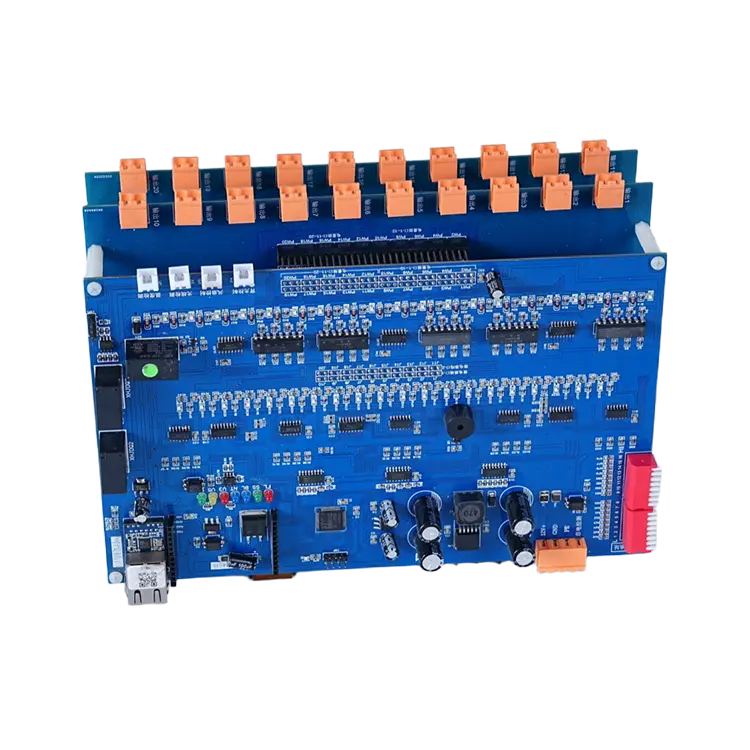
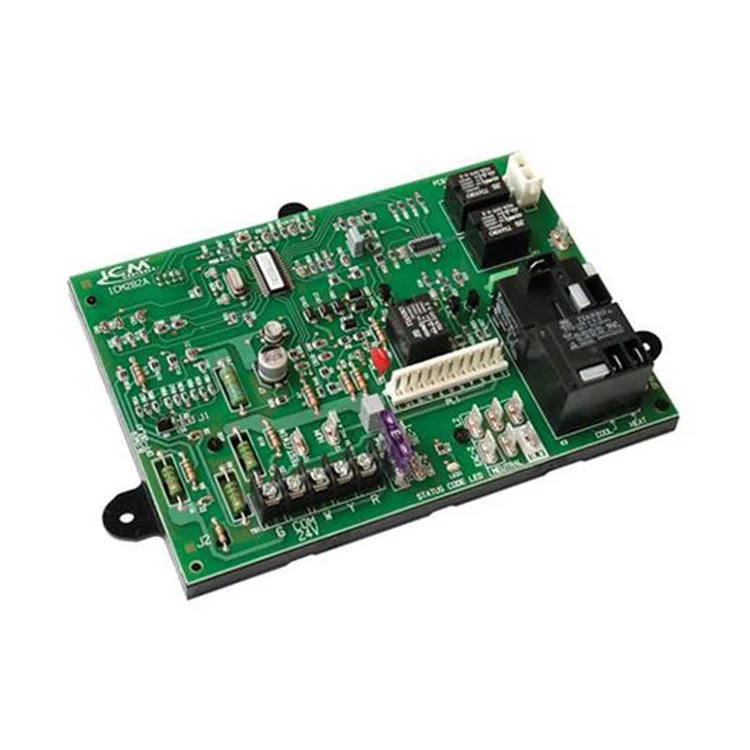
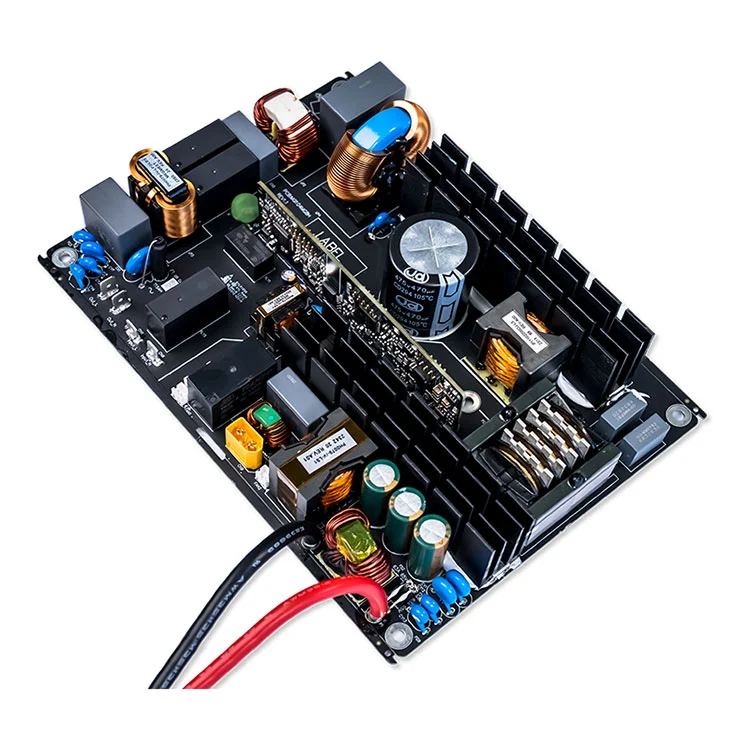
In today's fast-paced electronics industry, product success depends not only on innovative design but also on stable, scalable, and cost-effective manufacturing. EMS PCBA (Electronic Manufacturing Services – Printed Circuit Board Assembly) has become a core solution for companies seeking professional support from prototyping to mass production. By outsourcing PCBA to an experienced EMS provider, brands can shorten time-to-market, control quality, and focus on core R&D while ensuring reliable assembly performance.
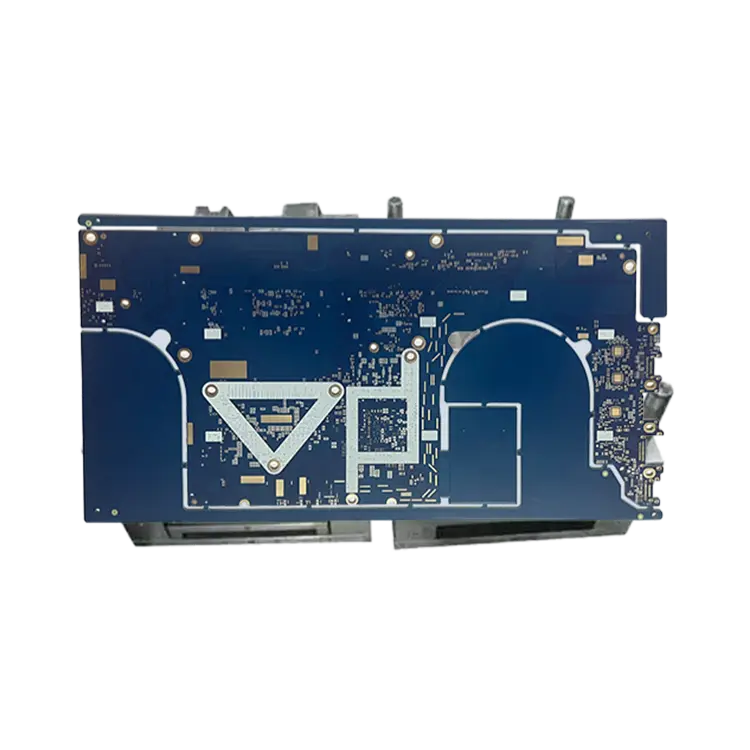
EMS PCBA integrates engineering, component sourcing, SMT/DIP assembly, testing, and final quality control into one streamlined service. This manufacturing model is widely adopted across industries such as consumer electronics, industrial control, automotive electronics, medical devices, and communication equipment.
What Does EMS PCBA Include in a Complete Manufacturing Solution?
EMS PCBA is not limited to soldering components onto boards. It is a systematic manufacturing service covering the full lifecycle of PCB assembly.
Key service scope includes:
DFM/DFA Engineering Support
PCB Fabrication Coordination
Electronic Component Procurement
SMT & Through-Hole Assembly
Functional Testing & Inspection
Final Assembly and Packaging
This integrated approach ensures consistency, traceability, and quality control at every stage.
Why Choose EMS PCBA Instead of In-House PCB Assembly?
Building an in-house PCBA line requires high capital investment, skilled labor, and continuous process optimization. EMS PCBA offers a more flexible and cost-efficient alternative.
Advantages of EMS PCBA:
Reduced capital expenditure on equipment
Access to professional engineering expertise
Scalable production capacity
Stable component supply chain
International quality standards compliance
By partnering with a qualified EMS provider, companies gain manufacturing agility without sacrificing quality.
Which Industries Commonly Use EMS PCBA Services?
EMS PCBA is widely applied across multiple sectors due to its adaptability and precision.
Common application fields include:
Consumer electronics (smart devices, wearables)
Industrial automation and control systems
Automotive electronics and power modules
Medical devices and monitoring equipment
Communication and networking products
Smart energy and IoT solutions
Each industry benefits from customized process control and testing strategies provided through EMS PCBA.
How Is EMS PCBA Quality Controlled During Production?
Quality assurance is the foundation of professional EMS PCBA services. A mature EMS provider implements multilayer inspection and testing processes.
Typical quality control flow:
Incoming material inspection (IQC)
Solder paste inspection (SPI)
Automated optical inspection (AOI)
X-ray inspection for BGA/QFN
In-circuit testing (ICT)
Functional testing (FCT)
Final quality inspection (FQC)
This structured system minimizes defects and ensures consistent product performance.
What Are the Technical Parameters of Our EMS PCBA Capability?
Below is a concise overview of our EMS PCBA manufacturing parameters, reflecting professional production capacity and process stability.
Parameter Item
EMS PCBA Capability
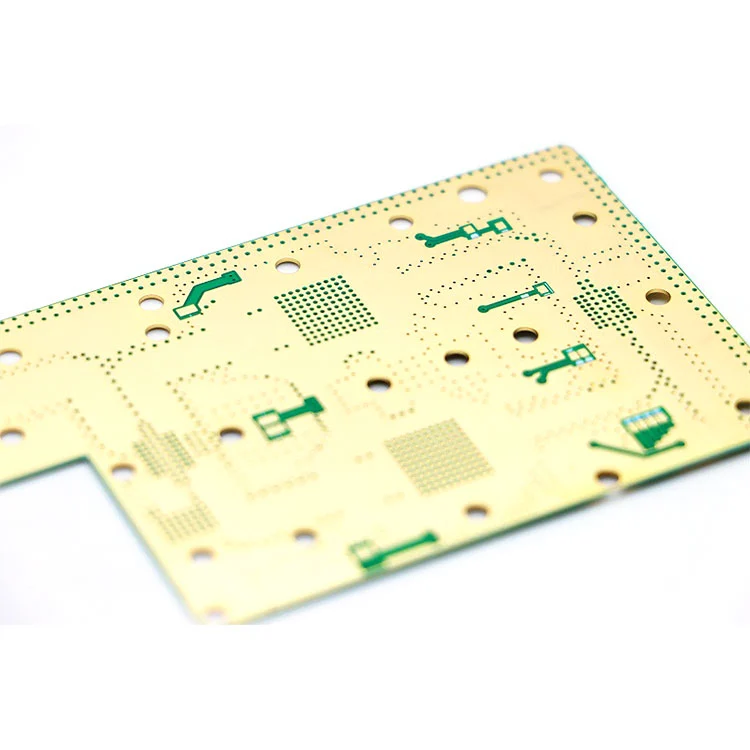
PCB Layers
1–20 Layers
Board Thickness
0.4mm – 3.2mm
Min Line Width/Spacing
4/4 mil
SMT Package Types
BGA, QFN, LGA, CSP, 01005
Min BGA Pitch
0.3mm
Assembly Process
SMT + DIP + Mixed Assembly
Soldering Type
Lead-Free / RoHS Compliant
Testing Methods
AOI, X-Ray, ICT, FCT
Production Volume
Prototype to Mass Production
These parameters ensure EMS PCBA compatibility with both high-density and complex electronic designs.
How Does EMS PCBA Support Component Sourcing and Cost Control?
Component procurement is one of the most critical challenges in electronics manufacturing. EMS PCBA providers leverage established supply chains to ensure stable sourcing.
Key sourcing advantages include:
Authorized distributor partnerships
Alternative component recommendation
BOM cost optimization
Risk management for shortages and EOL parts
Full traceability and compliance documentation
This approach reduces procurement risk while maintaining design integrity.
What Is the Difference Between EMS PCBA and Traditional PCBA? (EMS PCBA vs In-House PCBA)
Aspect
EMS PCBA
In-House PCBA
Investment Cost
Low
High
Flexibility
High
Limited
Scalability
Strong
Restricted
Technical Support
Integrated
Internal Only
Supply Chain
Global
Local
EMS PCBA offers a more scalable and professional solution, especially for companies facing rapid growth or complex product requirements.
Which Testing Options Are Available in EMS PCBA Projects?
Testing is essential to ensure product reliability and field performance. EMS PCBA supports multiple testing solutions depending on product complexity.
Available testing options:
Functional testing based on customer specifications
Boundary scan testing
Aging and burn-in testing
Environmental stress testing
Customized test fixture development
These testing services reduce failure rates and improve long-term reliability.
How Does EMS PCBA Improve Time-to-Market?
With integrated processes and experienced project management, EMS PCBA shortens manufacturing cycles.
Time-saving benefits include:
Parallel engineering and sourcing
Rapid prototyping support
Automated production lines
Standardized quality procedures
Efficient logistics coordination
This efficiency enables faster product launches and competitive advantage.
EMS PCBA FAQ – Common Questions Answered
Q1: What is EMS PCBA and how does it differ from standard PCBA?
A1: EMS PCBA is a comprehensive manufacturing service that includes engineering support, component sourcing, assembly, testing, and logistics, while standard PCBA usually focuses only on board assembly.
Q2: Can EMS PCBA support low-volume prototype and high-volume production?
A2: Yes, EMS PCBA is designed to support flexible production volumes, from rapid prototypes to large-scale mass production with consistent quality control.
Q3: How does EMS PCBA ensure component authenticity and reliability?
A3: EMS PCBA uses authorized distributors, strict incoming inspections, traceability systems, and alternative sourcing strategies to ensure component quality and compliance.
Q4: Is EMS PCBA suitable for complex multilayer or high-density boards?
A4: EMS PCBA supports advanced technologies such as HDI boards, fine-pitch BGAs, and mixed assembly, making it suitable for complex and high-density electronic products.
Why Partner with Shenzhen Fanway Technology Co., Ltd for EMS PCBA?
Choosing the right EMS partner directly impacts product quality and long-term success. Shenzhen Fanway Technology Co., Ltd provides professional EMS PCBA solutions with a focus on engineering precision, stable supply chains, and strict quality management.
With experienced technical teams and advanced manufacturing facilities, we support customers from concept to full-scale production. For reliable EMS PCBA services tailored to your project requirements, feel free to contact Shenzhen Fanway Technology Co., Ltd to discuss your manufacturing needs and technical goals.
We use cookies to offer you a better browsing experience, analyze site traffic and personalize content. By using this site, you agree to our use of cookies.
Privacy Policy