Shenzhen Fanway Technology Co., Ltd.
News

News

What is Prototype PCB Assembly and Why is it Crucial for Product Development?

2025-12-02

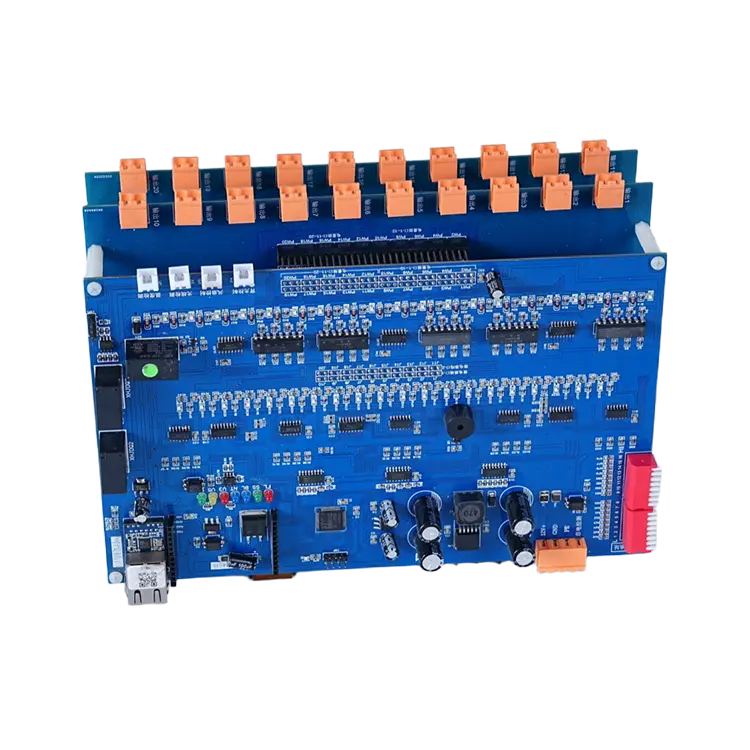
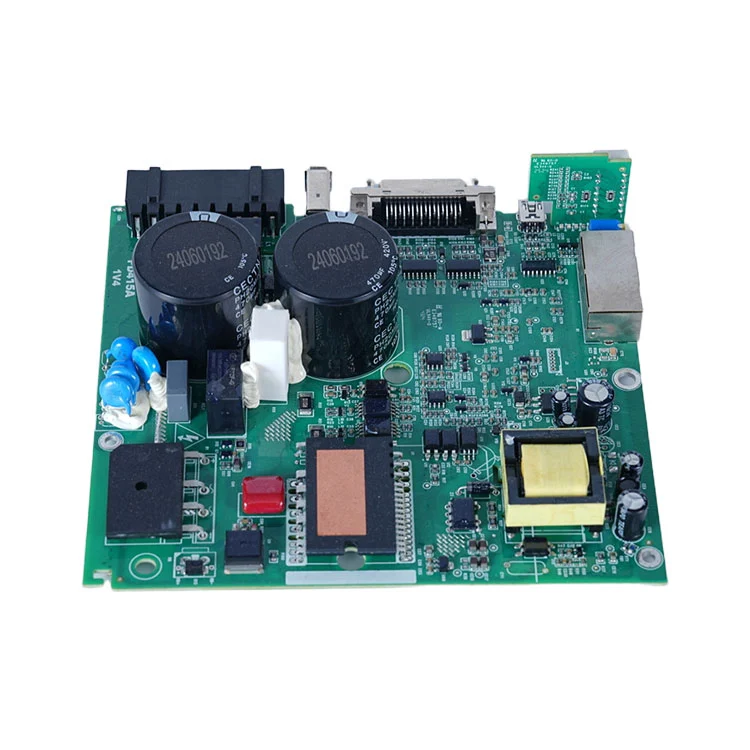
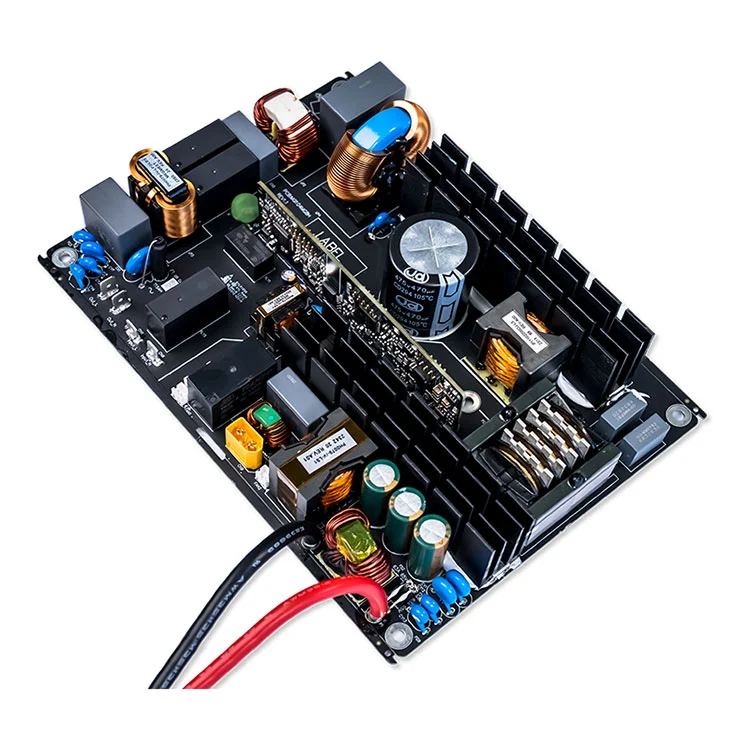
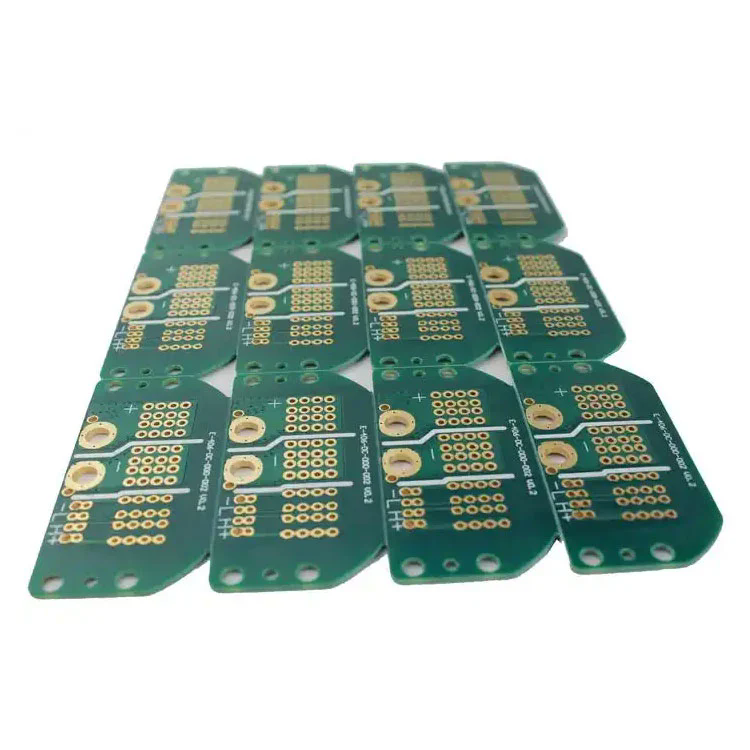
Prototype PCB Assembly plays a pivotal role in modern electronics manufacturing. It allows engineers and designers to test, validate, and optimize circuit designs before committing to full-scale production. By assembling a prototype PCB, potential design flaws can be identified early, ensuring higher reliability and lower production costs. At Shenzhen Fanway Technology Co., Ltd, we specialize in delivering high-quality Prototype PCB Assembly services tailored to meet the demands of both startups and established companies.

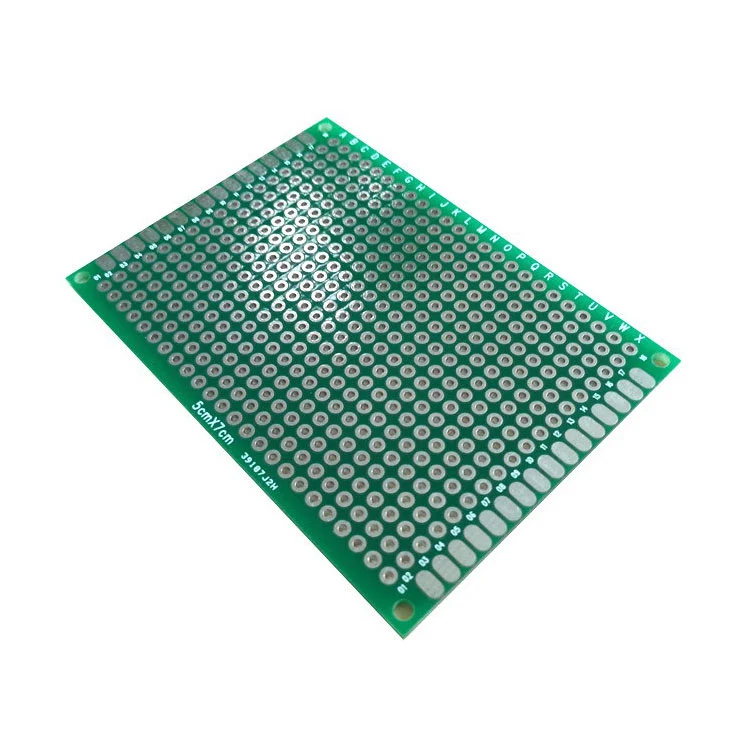
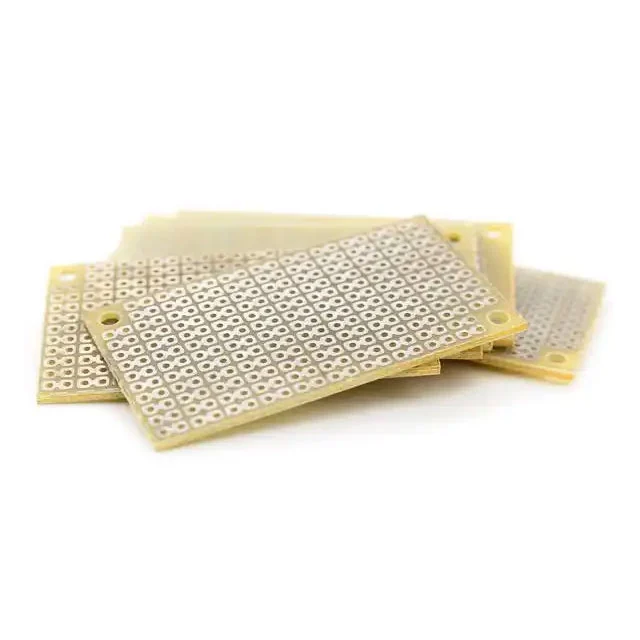
A Prototype PCB Assembly typically involves soldering electronic components onto a printed circuit board to create a working prototype. This process not only verifies the electrical performance of the design but also provides a tangible model for product demonstrations, testing, and further development.

Prototype PCB Assembly


How Does Prototype PCB Assembly Work?

Prototype PCB Assembly involves several key steps that ensure the final product meets design specifications:

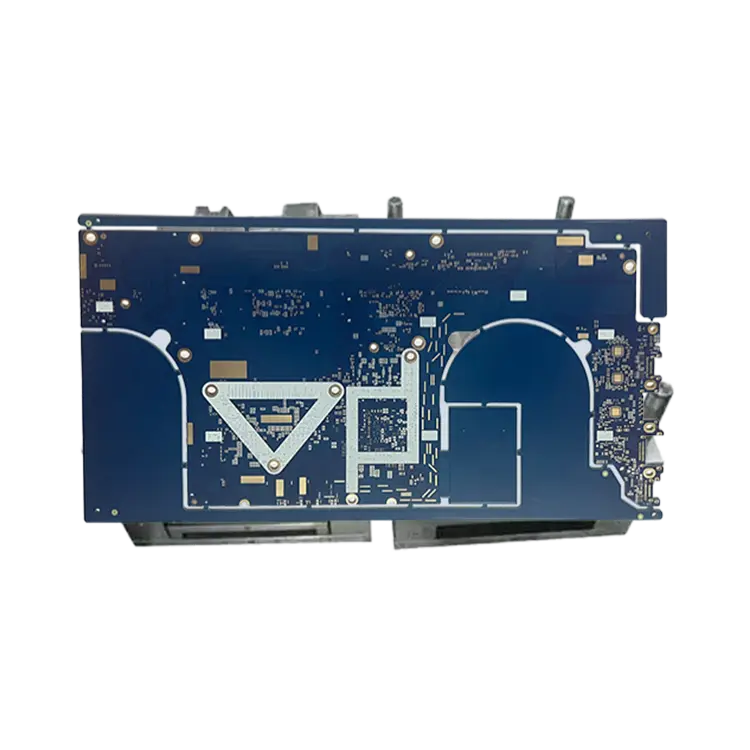
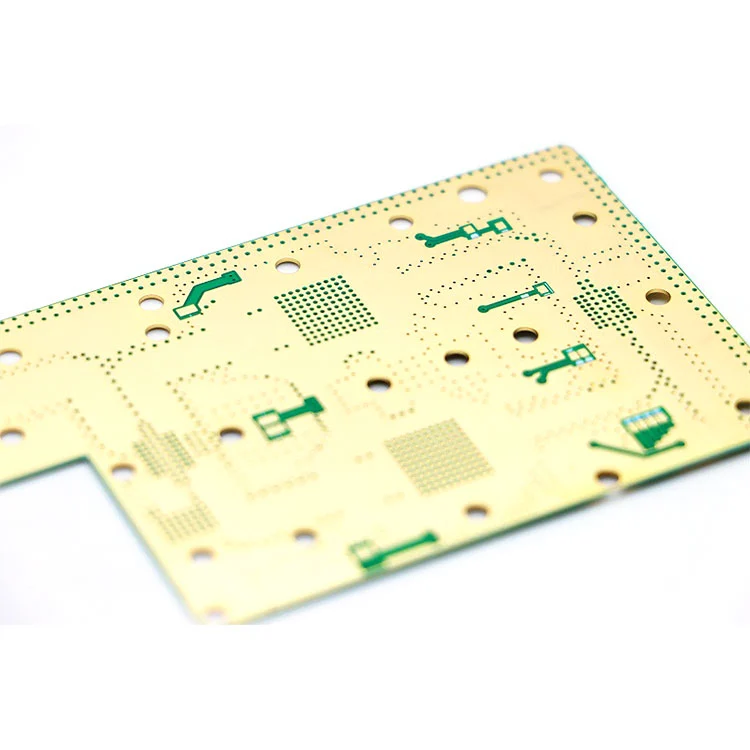
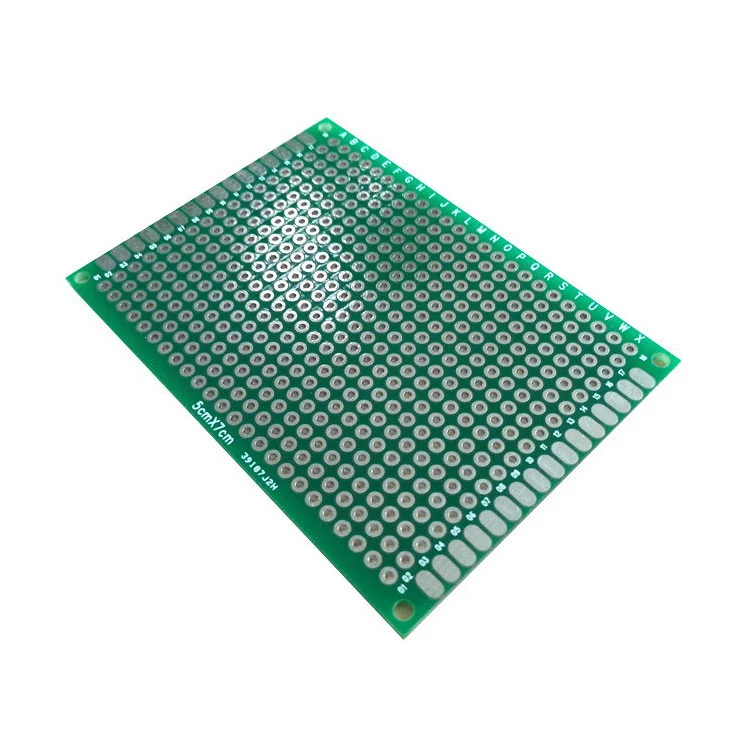
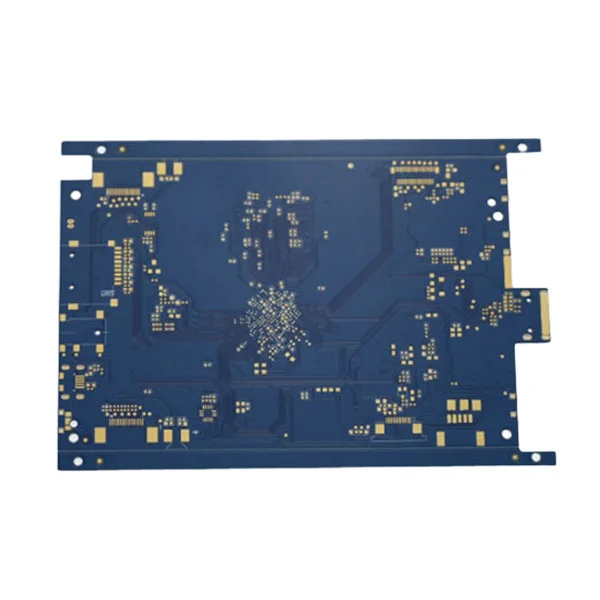
  1. PCB Fabrication: The first step involves manufacturing the printed circuit board based on the design file (Gerber files). High-precision fabrication ensures the board layout matches the intended circuit.

  2. Component Sourcing: All electronic components, including resistors, capacitors, ICs, and connectors, are procured according to the Bill of Materials (BOM).

  3. Assembly Process: Components are mounted on the PCB using either Surface Mount Technology (SMT) or Through-Hole Technology (THT). Automated machines or hand assembly techniques can be used depending on complexity.

  4. Soldering: Soldering secures the components electrically and mechanically. Reflow soldering is common for SMT, while wave or hand soldering is used for THT components.

  5. Inspection & Testing: After assembly, functional testing ensures that the prototype operates correctly. This step can include visual inspection, automated optical inspection (AOI), and electrical testing.

This process ensures that the Prototype PCB Assembly not only functions as intended but also serves as a reliable reference for mass production.


What Are the Key Parameters of Prototype PCB Assembly?

Professional Prototype PCB Assembly requires strict adherence to technical specifications. Below is a table summarizing the typical parameters:

Parameter Description
Board Size Minimum: 10mm x 10mm, Maximum: 500mm x 500mm
Layer Count 1–12 layers, depending on design complexity
Component Types SMT, THT, Mixed Assembly
Solder Mask Green, Red, Blue, or customized
Surface Finish HASL, ENIG, OSP, or immersion silver
Component Placement Accuracy ±0.05mm for SMT components
Testing & Inspection AOI, X-ray, functional testing

Shenzhen Fanway Technology Co., Ltd ensures that every Prototype PCB Assembly meets these standards, providing high reliability and reproducibility.


Why Choose Prototype PCB Assembly Over Direct Mass Production?

Many companies may wonder why prototype assembly is necessary before full-scale manufacturing. Here are the main advantages:

  • Error Detection: Early identification of design flaws prevents costly errors in mass production.

  • Design Validation: Engineers can test performance under real-world conditions.

  • Time Efficiency: Rapid prototyping accelerates product development cycles.

  • Cost-Effective: Detecting and correcting issues in the prototype phase is far less expensive than reworking mass-produced boards.

In essence, Prototype PCB Assembly reduces risk, saves time, and ensures better product quality.


How to Ensure High-Quality Prototype PCB Assembly?

High-quality Prototype PCB Assembly depends on the combination of skilled engineering, advanced equipment, and strict quality control:

  1. Component Verification: Confirming all parts meet specifications before assembly.

  2. Precision Placement: Using automated pick-and-place machines for accurate SMT component placement.

  3. Controlled Soldering: Reflow and wave soldering parameters are closely monitored to prevent defects.

  4. Thorough Testing: Functional testing ensures the assembled board meets electrical and mechanical requirements.

Shenzhen Fanway Technology Co., Ltd employs these best practices, guaranteeing prototype PCBs that are ready for reliable evaluation and further development.


FAQ About Prototype PCB Assembly

Q1: What is the difference between Prototype PCB Assembly and production PCB assembly?
A1: Prototype PCB Assembly is designed for testing and validation. It usually involves small quantities and may require hand assembly for complex components. Production PCB assembly focuses on large-scale manufacturing with optimized processes for speed and cost-efficiency.

Q2: How long does it take to complete a Prototype PCB Assembly?
A2: The turnaround time depends on board complexity and component availability. Typically, it ranges from 5 to 15 working days. Shenzhen Fanway Technology Co., Ltd provides expedited services for urgent projects.

Q3: Can I test my design during the Prototype PCB Assembly stage?
A3: Yes, functional testing is a standard part of prototype assembly. This allows designers to verify circuits, test software integration, and optimize design performance before moving to mass production.


Which Industries Benefit Most from Prototype PCB Assembly?

Prototype PCB Assembly is essential in multiple sectors:

  • Consumer Electronics: Rapid iteration for smartphones, wearables, and smart home devices.

  • Automotive Electronics: Testing control modules, sensors, and display units.

  • Medical Devices: Ensuring safety and reliability of diagnostic and monitoring equipment.

  • Industrial Automation: Validating control circuits and IoT devices.

Shenzhen Fanway Technology Co., Ltd serves clients across these industries, providing custom solutions to meet specific project requirements.


Conclusion

Prototype PCB Assembly is a critical step in turning innovative ideas into functional electronic products. By leveraging professional assembly services, companies can minimize errors, optimize performance, and speed up their product development cycles. Shenzhen Fanway Technology Co., Ltd offers expert Prototype PCB Assembly services with a focus on quality, precision, and reliability. For businesses aiming to transform their electronic designs into fully functional prototypes, contacting Shenzhen Fanway Technology Co., Ltd is the first step toward success.

Related News
X
We use cookies to offer you a better browsing experience, analyze site traffic and personalize content. By using this site, you agree to our use of cookies. Privacy Policy
Reject Accept