What Is Surface Mount PCB Assembly and Why Does It Matter?
Surface Mount PCB Assembly is a cornerstone in modern electronics manufacturing. This blog provides a deep dive into the what, how, why, challenges, benefits, materials, QA methods, and future trends for Surface Mount Technology (SMT) and Surface Mount Device (SMD) assembly. Whether you are a design engineer, manufacturing specialist, or a curious reader, this article will help you understand why Surface Mount PCB Assembly has become the industry standard.
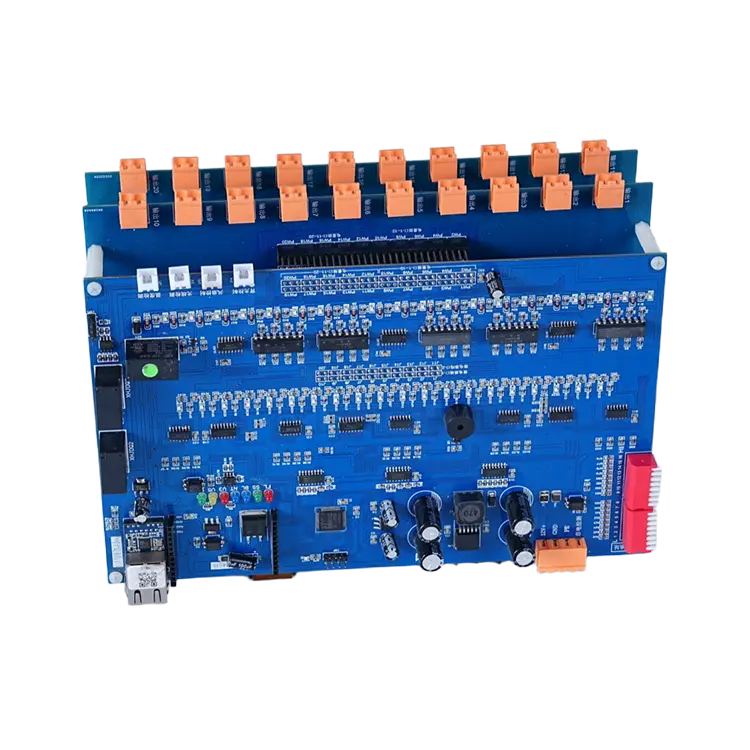
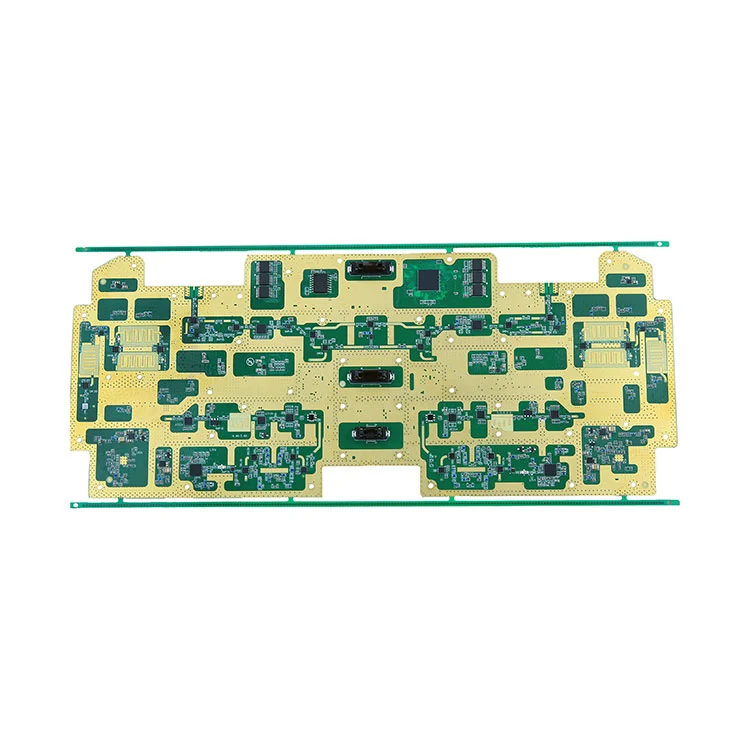
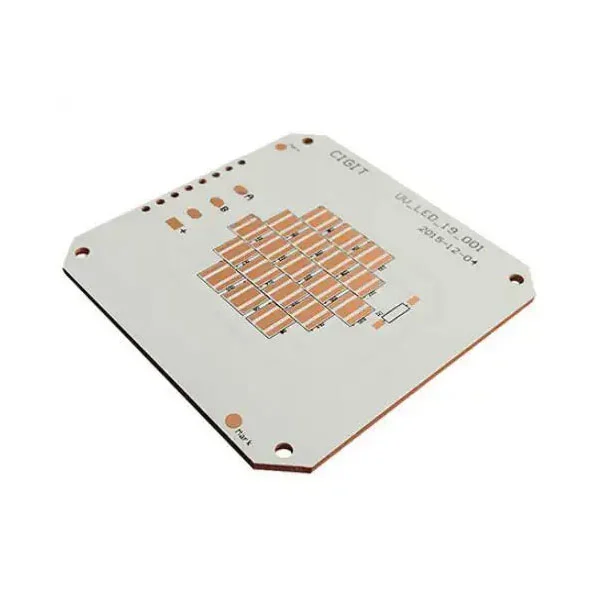
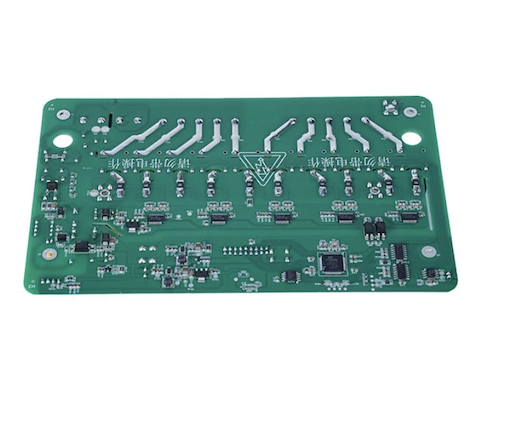
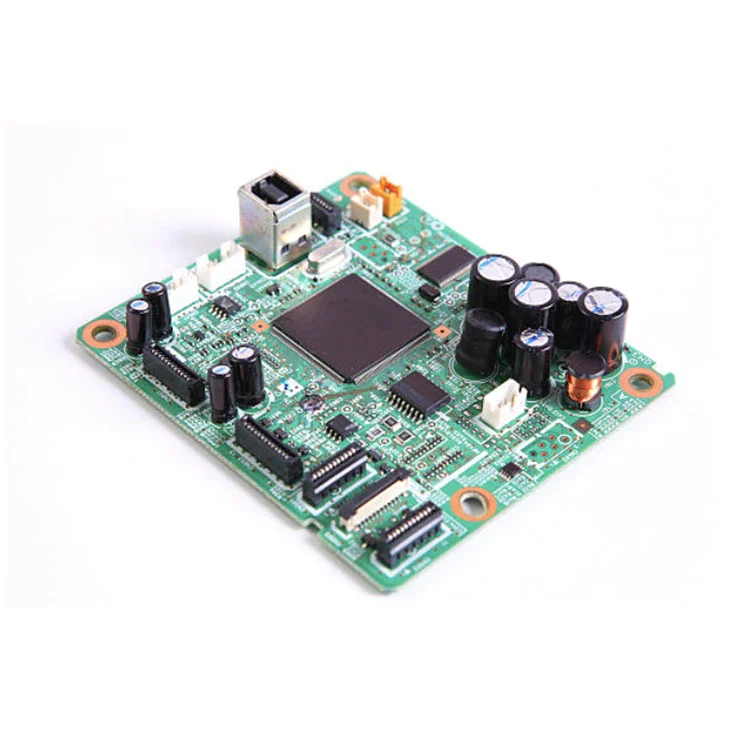
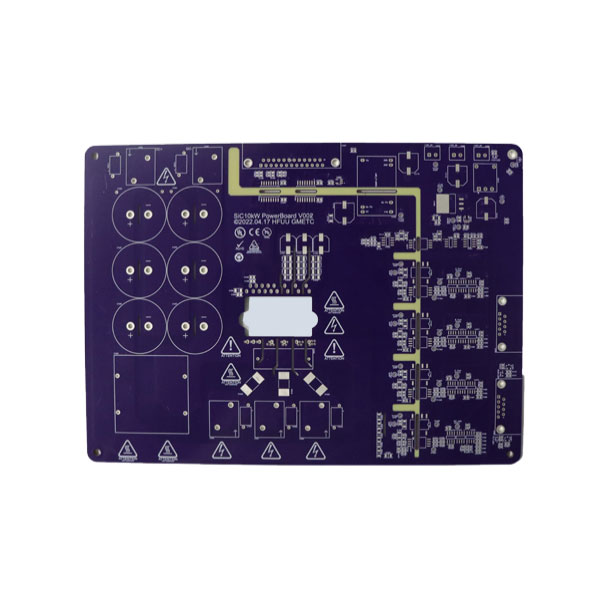
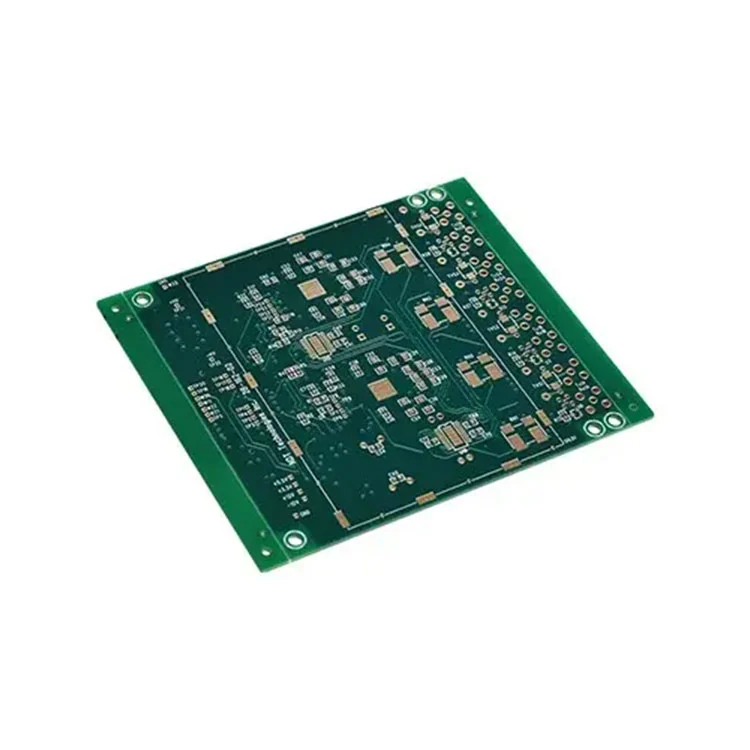
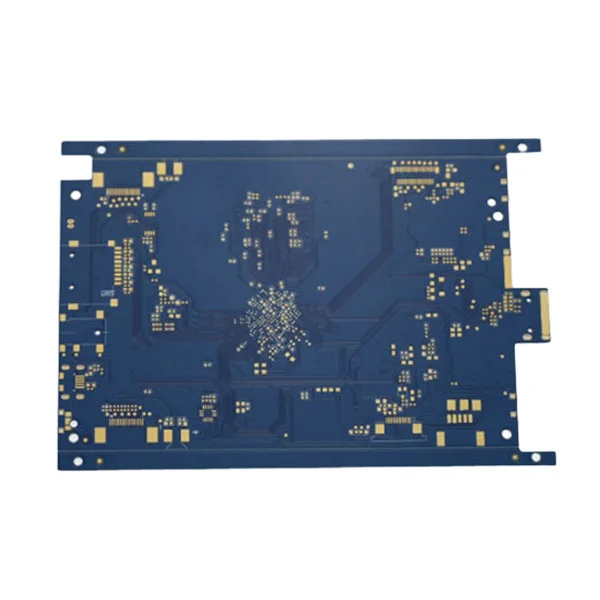
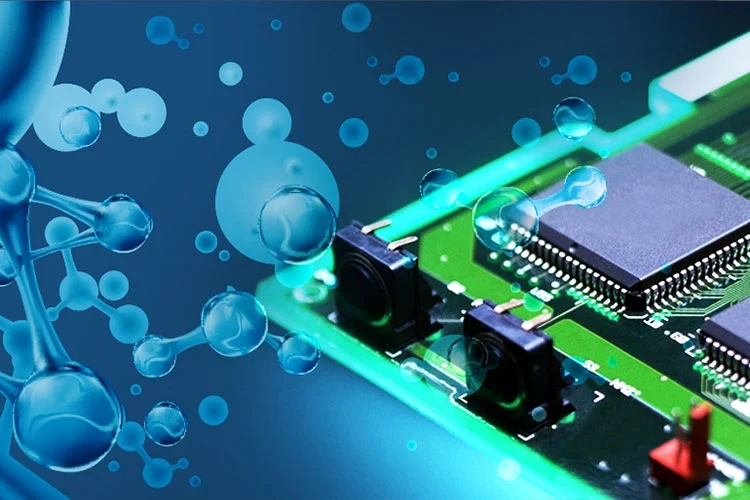
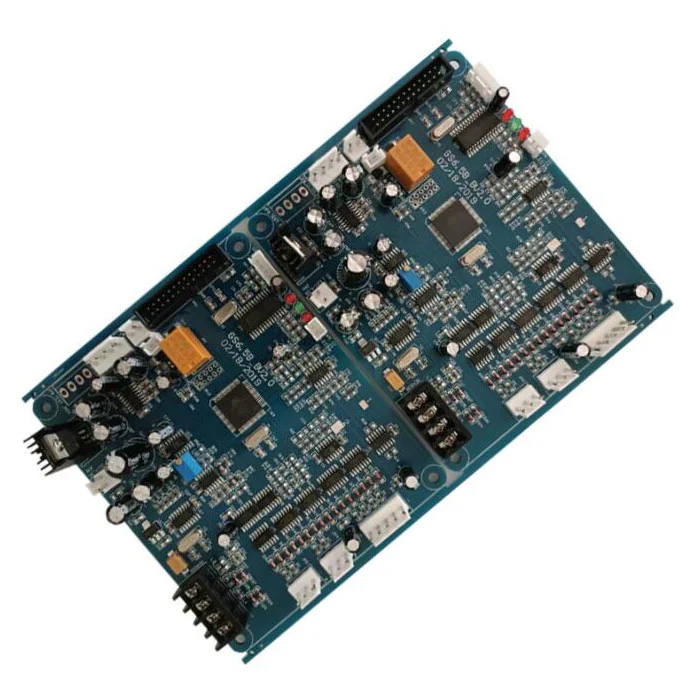
Surface Mount PCB Assembly refers to the electronic assembly process where components are mounted directly onto the surface of a printed circuit board (PCB) instead of being inserted through holes. This process relies on Surface Mount Technology (SMT) and Surface Mount Devices (SMDs), which allow for higher component density and reduced manufacturing costs. SMT has become ubiquitous in the electronics industry because of its efficiency, scalability, and performance benefits.
How Is Surface Mount Technology Different from Through-Hole?
The primary contrast between Surface Mount Technology (SMT) and Through-Hole Technology (THT) lies in how electrical components are attached to the PCB:
Feature
Surface Mount Technology (SMT)
Through-Hole Technology (THT)
Attachment
Mounted on board surface
Leads pass through holes in PCB
Component Size
Smaller
Larger
Assembly Speed
Faster
Slower
Automation
Highly automated
Less automated
Performance
Better for high-frequency
Better mechanical strength
Why Use Surface Mount PCB Assembly?
Higher Component Density: SMT allows for more parts on smaller boards.
Reduced Manufacturing Cost: Automation lowers labor costs and repeatability errors.
Enhanced Electrical Performance: SMT reduces lead length, improving signal quality.
Faster Production Cycles: Automated pick-and-place and reflow processes speed up production.
Design Flexibility: Both board surfaces can be populated.
Which Components Are Commonly Used in Surface Mount PCB Assembly?
SMT includes many component types. Here are the most common ones:
Component Type
Description
Resistors (0603, 0402)
Control current and voltage in circuits.
Capacitors
Store and release electrical energy.
Integrated Circuits (ICs)
Perform specific processing functions.
Diodes and LEDs
Control current flow and provide indication.
Connectors and Switches
Enable external connectivity and user input.
What Are the Key Process Steps in Surface Mount Assembly?
Stencil Printing: Solder paste is applied to PCB pads using a stencil.
Pick-and-Place: Machines place SMDs precisely onto solder paste.
Reflow Soldering: PCB passes through a reflow oven to melt solder paste.
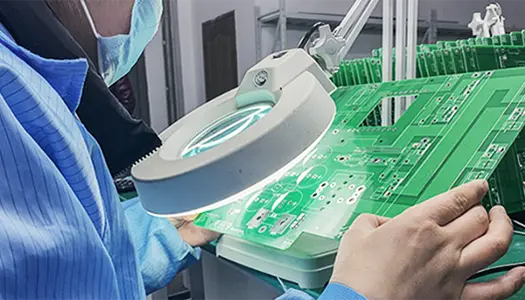
Inspection and Quality Control: AOI, X-ray, and optical checks verify assembly accuracy.
Final Testing: Functional tests confirm performance.
How to Deal with Common Assembly Challenges?
SMT assembly can face several challenges, such as tombstoning, solder bridging, and open circuits. Best practices include:
Optimize PCB Layout: Proper pad design and spacing to reduce solder issues.
Tune Reflow Profile: Tailored temperature profiles for consistent solder joints.
Use High-Quality Materials: Reliable solder paste and components improve consistency.
Perform Robust QA: Use AOI, X-ray, and ICT to catch defects early.
What Materials Are Required for SMT?
Material
Purpose
PCB Substrate
Base material for circuitry.
Solder Paste
Binds SMDs to pads during reflow.
Components
SMD parts for circuit functionality.
Stencil
Ensures controlled solder paste application.
Flux
Improves solder wetting and removes oxides.
How to Ensure Surface Mount Assembly Quality and Reliability?
High-quality surface mount assembly requires rigorous testing and validation. Key methods include:
These trends ensure Surface Mount PCB Assembly continues to evolve, improving performance and reducing production cycles.
Frequently Asked Questions
What is Surface Mount PCB Assembly?
Surface Mount PCB Assembly refers to the process of mounting electronic components directly onto the surface of a PCB using SMT processes. It replaces traditional through-hole assembly in most modern electronics because of its efficiency and miniaturization benefits.
How does Surface Mount Technology improve performance?
SMT improves performance by reducing lead length, which lowers inductance and resistance. This enhances signal integrity and allows boards to operate at higher frequencies with less noise.
Which industries benefit most from surface mount assembly?
Industries such as consumer electronics, automotive, medical devices, aerospace, and telecommunications rely heavily on SMT because of the need for compact, reliable, and high-performance electronic assemblies.
What challenges exist in surface mount assembly?
Challenges include managing very small components, ensuring precise solder paste application, and avoiding defects like tombstoning or solder bridges. Advanced process control and inspection systems are necessary to mitigate these issues.
Why is quality control crucial in SMT?
Quality control ensures reliability and functionality in finished products. With high-density components and automated assembly, defects can quickly lead to failures in the field. Processes like AOI and X-ray inspection catch issues before final testing.
We use cookies to offer you a better browsing experience, analyze site traffic and personalize content. By using this site, you agree to our use of cookies.
Privacy Policy