Shenzhen Fanway Technology Co., Ltd.
News

News

What Makes CNC Milling Essential for Modern Manufacturing?

2026-03-30 0 Leave me a message

CNC milling has revolutionized the manufacturing world by providing unmatched precision, efficiency, and flexibility. This article explores the key benefits, processes, applications, and tips for maximizing the potential of CNC milling. Whether you're a small business or a large industrial enterprise, understanding CNC milling is crucial for optimizing production and reducing costs.

CNC milling

Table of Contents

Introduction to CNC Milling

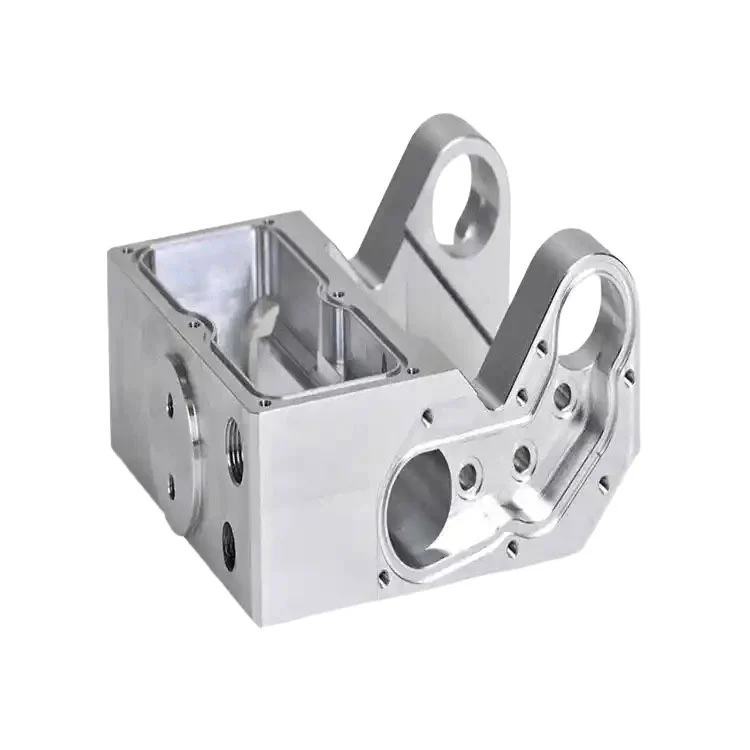
CNC milling, or Computer Numerical Control milling, is a manufacturing process where pre-programmed computer software dictates the movement of factory tools and machinery. Unlike manual milling, CNC allows for high precision and repeatability, making it ideal for complex parts and high-volume production.

Shenzhen Fanway Technology Co., Ltd leverages advanced CNC milling machines to provide clients with custom solutions across industries, ensuring quality and efficiency.

Key Benefits of CNC Milling

  • Precision and Accuracy: CNC milling can achieve tolerances as tight as ±0.01mm, essential for high-performance components.
  • Repeatability: Every part produced follows the exact same specifications, reducing errors and material waste.
  • Flexibility: Quick changes in programming allow manufacturers to produce a variety of designs without major retooling.
  • Reduced Labor Costs: Automation reduces the need for extensive manual intervention.
  • Complex Geometry: CNC milling can handle intricate shapes that are difficult or impossible with manual methods.

CNC Milling Process Explained

The CNC milling process involves several key steps:

  1. Design: Engineers create a detailed 3D model using CAD software.
  2. Programming: The CAD file is converted into a CNC-readable format using CAM software.
  3. Setup: The workpiece is mounted, and the machine is calibrated.
  4. Milling: The CNC machine executes the programmed instructions, cutting the material layer by layer.
  5. Inspection: Finished parts are measured and verified to ensure specifications are met.

Shenzhen Fanway Technology Co., Ltd ensures every process step is optimized for maximum efficiency and minimal waste.

Materials Compatible with CNC Milling

CNC milling is versatile and can process a wide range of materials. Below is a quick reference table:

Material Type Typical Applications Key Advantages
Aluminum Automotive parts, aerospace components Lightweight, easy to machine
Steel Structural components, industrial tools High strength, durable
Plastics (e.g., ABS, Nylon) Prototypes, consumer products Lightweight, corrosion-resistant
Brass & Copper Electrical components, decorative parts Excellent conductivity, smooth finish

Popular Applications

CNC milling is applied across various industries:

  • Aerospace: Precision components for aircraft and spacecraft.
  • Automotive: Engine parts, molds, and body panels.
  • Medical: Surgical instruments, implants, and prosthetics.
  • Consumer Electronics: Housings, connectors, and heat sinks.
  • Industrial Equipment: Machine components, dies, and tooling.

Shenzhen Fanway Technology Co., Ltd provides solutions tailored for each of these applications, ensuring quality and rapid turnaround.

CNC Milling vs. Traditional Methods

Here’s a comparison table to help understand the advantages of CNC milling over traditional machining:

Feature CNC Milling Traditional Milling
Precision ±0.01mm ±0.1mm
Speed High, automated Slower, manual adjustments
Complexity Handles intricate designs easily Limited by operator skill
Repeatability Excellent, program-based Varies, human-dependent
Cost Efficiency Lower for high volume Higher due to labor

Common Challenges and Solutions

  • Tool Wear: Use high-quality cutters and schedule regular replacements.
  • Machine Calibration: Regularly check and calibrate to maintain precision.
  • Material Warping: Proper fixturing and cooling can reduce distortion.
  • Programming Errors: Double-check CAM files and run simulations before production.

FAQ About CNC Milling

Q1: How does CNC milling improve production efficiency?

A1: By automating the cutting process, CNC milling reduces manual labor, minimizes errors, and allows continuous production, which significantly boosts efficiency.

Q2: Can CNC milling handle custom designs?

A2: Yes, CNC milling is highly flexible and can accurately produce complex and custom designs based on CAD files.

Q3: What is the typical turnaround time for CNC-milled parts?

A3: Turnaround time depends on complexity and material, but Shenzhen Fanway Technology Co., Ltd optimizes production to deliver parts quickly without compromising quality.

Q4: Are CNC-milled parts cost-effective for small production runs?

A4: While CNC is most cost-efficient for medium to large volumes, careful planning and optimized programming can make small runs feasible.

Conclusion and Contact Information

CNC milling has become a cornerstone of modern manufacturing, offering precision, repeatability, and versatility. Companies like Shenzhen Fanway Technology Co., Ltd harness CNC milling to provide high-quality, reliable, and efficient production solutions across multiple industries.

If you want to explore customized CNC milling solutions or discuss your project requirements, contact us today and let Shenzhen Fanway Technology Co., Ltd help you turn your designs into reality with precision and excellence.

Ready to enhance your manufacturing capabilities with CNC milling? Contact us now to get started!

Related News
Leave me a message
X
We use cookies to offer you a better browsing experience, analyze site traffic and personalize content. By using this site, you agree to our use of cookies. Privacy Policy
Reject Accept