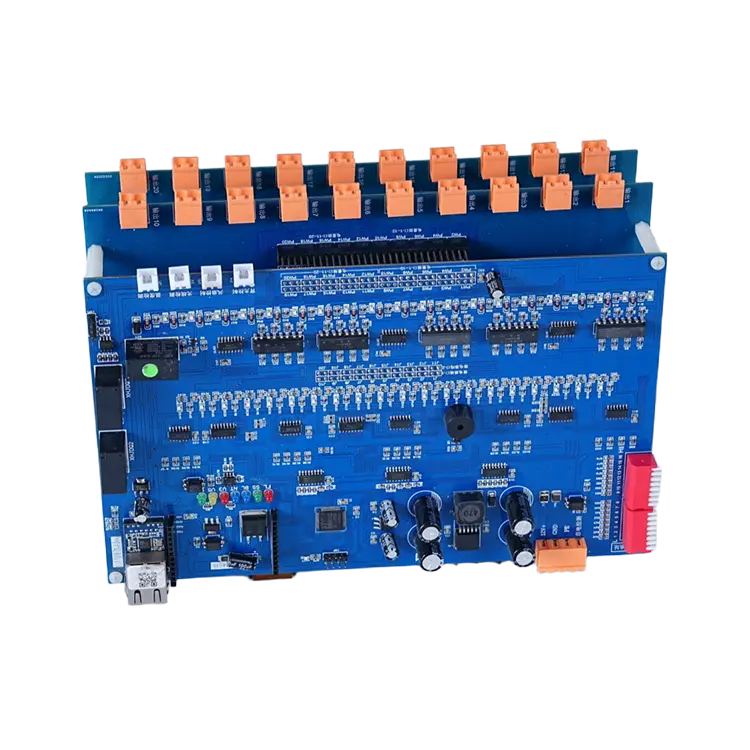
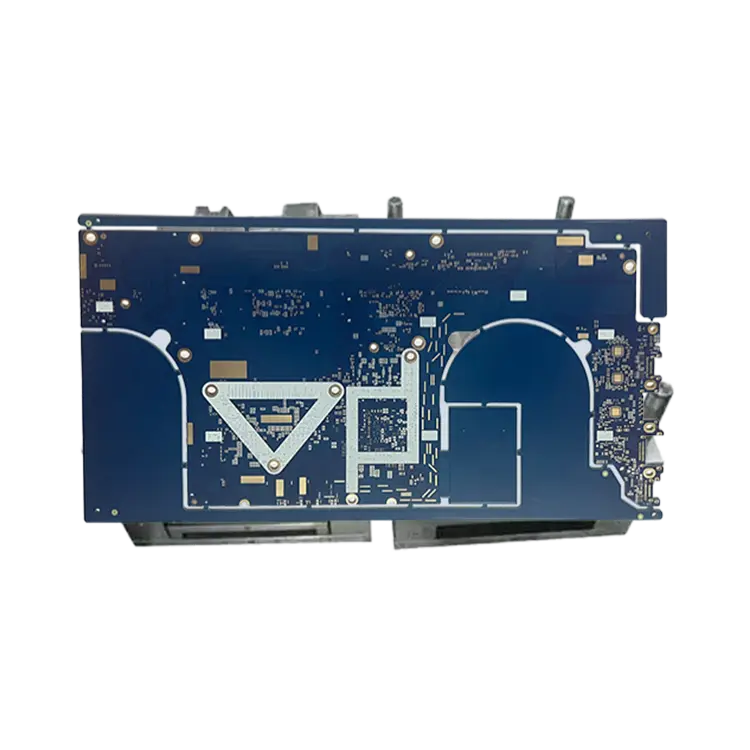
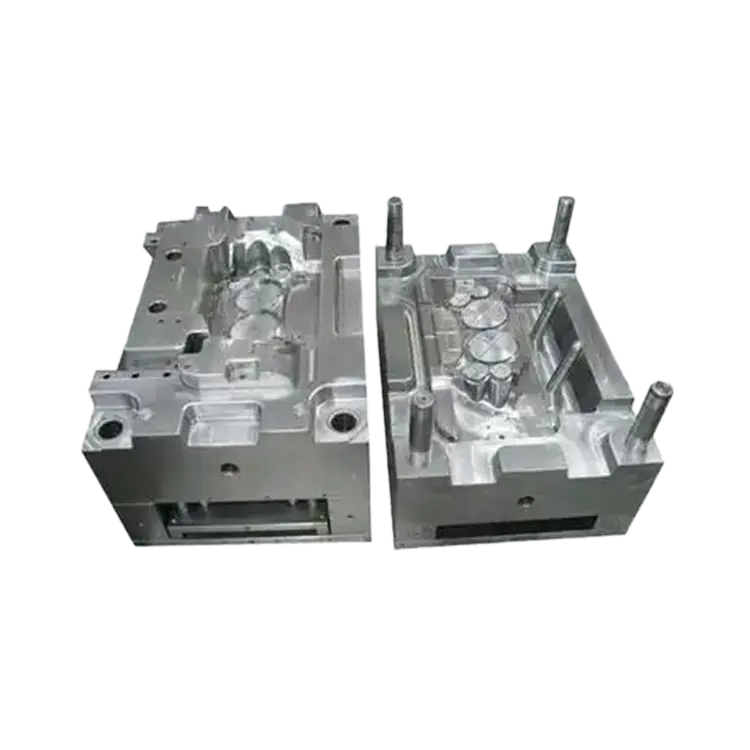
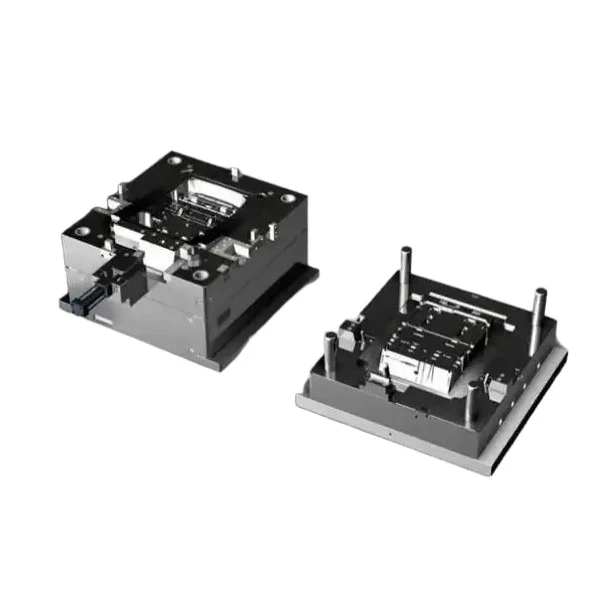
Precision molding is a highly advanced manufacturing process used to produce complex, tight-tolerance, and high-performance plastic or metal components. It plays a critical role in industries such as automotive, medical devices, electronics, aerospace, and consumer products. This article explores the core principles of precision molding, its advantages, common challenges, material considerations, production workflow, quality control systems, and how businesses can select the right manufacturing partner to avoid costly failures and inefficiencies.
In modern manufacturing, product performance and consistency are no longer optional—they are mandatory. Precision molding has emerged as a solution for industries that require extremely accurate, repeatable, and high-quality components.
Unlike conventional molding techniques, precision molding focuses on achieving extremely tight tolerances, often within microns. This makes it essential for products where even the smallest deviation can lead to system failure, malfunction, or safety risks.
Industries such as medical device manufacturing and aerospace engineering rely heavily on this process because components must perform flawlessly under strict conditions.
2. Core Principles Behind Precision Molding
Precision molding is built on a few foundational engineering principles that ensure stability, accuracy, and repeatability.
Dimensional Accuracy: Ensuring every part matches exact design specifications.
Material Stability: Selecting materials that behave consistently under heat and pressure.
Process Control: Monitoring temperature, pressure, and cooling cycles in real time.
Tooling Precision: Using ultra-accurate molds designed with advanced CNC and EDM systems.
Repeatability: Producing thousands or millions of identical parts without deviation.
These principles are supported by advanced simulation software that predicts shrinkage, flow behavior, and structural integrity before production begins.
3. Where Precision Molding Is Used
Precision molding is not limited to a single industry. Its applications are widespread due to its versatility and reliability.
Industry
Applications
Why Precision Matters
Medical
Syringes, surgical tools, implants
Patient safety and regulatory compliance
Automotive
Engine components, sensors, connectors
High durability under stress
Electronics
Connectors, housings, micro parts
Miniaturization and conductivity stability
Aerospace
Structural components, insulation parts
Extreme environmental conditions
Consumer Products
Smart devices, wearables
Design accuracy and aesthetic quality
4. Materials Used in Precision Molding
Material selection is one of the most important factors in precision molding. The wrong material can lead to deformation, cracking, or performance failure.
Common materials include:
Thermoplastics (ABS, PC, PEEK, Nylon)
Thermosetting polymers
Liquid silicone rubber (LSR)
Engineering-grade resins
Metal injection molding powders
Each material is selected based on mechanical strength, thermal resistance, chemical stability, and cost efficiency.
5. Step-by-Step Manufacturing Process
Precision molding involves a carefully controlled workflow to ensure flawless output.
Product Design & Simulation: CAD modeling and flow analysis are performed.
Mold Design: High-precision molds are engineered using CNC machining.
Material Preparation: Raw materials are dried and prepared for injection.
Injection Phase: Molten material is injected into the mold cavity.
Post-Processing: Trimming, polishing, or surface treatment is applied.
Inspection: Each batch undergoes strict quality checks.
6. Common Challenges and Pain Points
Even though precision molding is highly advanced, manufacturers and buyers often face challenges.
High Initial Cost: Tooling and mold development require significant investment.
Complex Design Constraints: Not all designs are suitable for molding.
Material Shrinkage: Slight variations can affect final dimensions.
Long Development Cycles: Prototyping and testing take time.
Defect Sensitivity: Even minor contamination can cause failure.
These challenges require experienced engineering teams and strict process control systems to overcome.
7. Quality Control and Inspection Systems
Quality assurance is the backbone of precision molding. Without strict inspection, even minor defects can lead to product failure in the field.
Common inspection methods include:
Coordinate Measuring Machines (CMM)
Optical measurement systems
X-ray inspection for internal defects
3D scanning and reverse engineering
Statistical Process Control (SPC)
These systems ensure that every component meets strict tolerance requirements before reaching customers.
8. Precision Molding vs Traditional Molding
Aspect
Precision Molding
Traditional Molding
Tolerance Level
Micron-level accuracy
Standard industrial tolerance
Cost
Higher initial investment
Lower upfront cost
Applications
Medical, aerospace, electronics
General consumer goods
Quality Consistency
Extremely high
Moderate
Tooling Complexity
Very high
Moderate
9. How to Choose a Reliable Manufacturer
Choosing the right precision molding partner is crucial for product success. A poor choice can lead to delays, defects, and financial losses.
Key factors to evaluate:
Engineering and design capabilities
Experience in your industry
Quality control systems
Material sourcing capability
Production scalability
After-sales support
A strong manufacturer should not only produce parts but also provide engineering guidance to optimize design for manufacturability.
10. Future Trends in Precision Molding
The future of precision molding is being shaped by automation, AI, and sustainable manufacturing practices.
Smart Manufacturing: Real-time monitoring using IoT sensors
AI Optimization: Predicting defects before production
Eco-friendly Materials: Biodegradable and recyclable polymers
Micro-Molding Expansion: Even smaller and more precise components
Digital Twin Technology: Virtual simulation of entire production lines
These innovations are reducing costs while increasing efficiency and accuracy across industries.
11. Frequently Asked Questions
Q1: What makes precision molding different from standard molding?
Precision molding focuses on extremely tight tolerances and high repeatability, making it suitable for critical applications.
Q2: Is precision molding expensive?
Yes, initial tooling costs are higher, but long-term production efficiency often reduces overall cost per unit.
Q3: Which industries benefit the most?
Medical, automotive, aerospace, and electronics industries benefit the most due to strict quality requirements.
Q4: How long does mold development take?
Depending on complexity, it can take from a few weeks to several months.
Q5: Can precision molding support mass production?
Yes, once molds are developed, it is highly efficient for large-scale production.
Conclusion
Precision molding represents the intersection of engineering accuracy, material science, and advanced manufacturing technology. As industries demand higher performance and smaller tolerances, this process continues to become more essential.
From design to final inspection, every step must be controlled with strict discipline. Companies that invest in precision molding gain not only product reliability but also long-term competitive advantages in global markets.
Shenzhen Fanway Technology Co., Ltd specializes in high-precision manufacturing solutions and advanced molding technologies tailored to industrial needs. If you are looking for reliable engineering support, consistent product quality, and scalable production capabilities,contact us today to discuss how we can support your next project and help bring your ideas into high-performance reality.
We use cookies to offer you a better browsing experience, analyze site traffic and personalize content. By using this site, you agree to our use of cookies.
Privacy Policy