Shenzhen Fanway Technology Co., Ltd.
News

News

What Is FPC PCB and Why Is It Used?

2026-01-08 0 Leave me a message
FPC PCB: What Is It and Why Does It Matter?

FPC PCB technology has transformed the electronics manufacturing world by offering adaptive, lightweight, and reliable circuit solutions. But what exactly is FPC PCB, how does it differ from other PCB types, and when should you choose it? In this article, we explore these questions in depth.

Shenzhen Fanway Technology Co., Ltd, a leading PCB manufacturer, is referenced throughout to illustrate real‑world applications and expertise in FPC PCB production.

FPC PCB


Table of Contents


What Is FPC PCB?

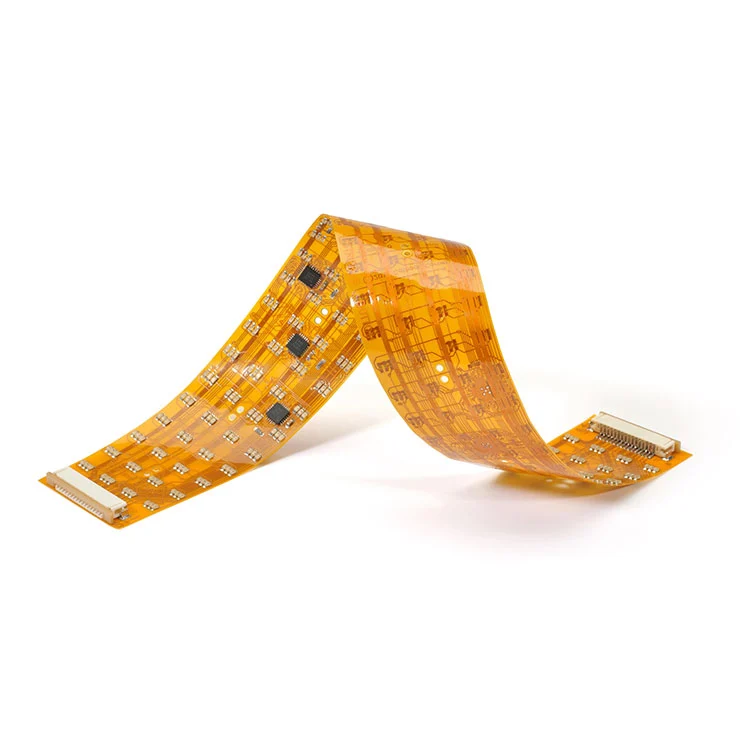
FPC PCB stands for Flexible Printed Circuit Board. Unlike rigid PCBs that maintain a fixed shape, FPC PCBs are made using flexible polymer substrates, such as polyimide, that allow the board to bend, fold, or twist. These circuits deliver connectivity in challenging form factors where boards need to adapt to non‑planar environments.

At its core, an FPC PCB consists of conductive copper traces laminated to a flexible dielectric material. The copper patterns create electrical pathways, while the flexible base enables mechanical movement without breaking the circuit paths.

Why Is FPC PCB Important?

FPC PCB technology provides solutions for space‑constrained applications like mobile phones, wearable tech, and compact industrial equipment. It enables designs that would be impossible with traditional rigid circuit boards.


How Does Flexible PCB Differ from Rigid PCB?

Feature Flexible PCB (FPC PCB) Rigid PCB
Material Flexible polymer (e.g., polyimide) FR‑4 or similar rigid material
Shape Bendable, adaptable Fixed
Weight Lightweight Heavier
Cost Higher due to material/assembly Lower
Assembly Complexity Moderate to high Low

This comparison shows why flexible PCBs are chosen for dynamic or space‑limited designs, while rigid PCBs suit cost‑effective, low‑complexity applications.


Where Is FPC PCB Used?

FPC PCBs are widely adopted in diverse industries thanks to their flexibility and weight advantages. Common applications include:

  • Mobile and wearable electronics (e.g., smartphones, smartwatches)
  • Automotive electronics requiring adaptable connections
  • Medical devices with confined installation spaces
  • Consumer gadgets like cameras and drones
  • Industrial automation systems
  • LED lighting panels with flexible layouts

Manufacturers like Shenzhen Fanway Technology Co., Ltd design and produce FPC PCBs tailored to each application’s unique electrical and mechanical requirements.


What Are the Advantages of FPC PCB?

FPC PCBs offer several strategic benefits for modern electronics designs:

  • Space Optimization: Can fit into compact or irregularly shaped assemblies.
  • Weight Reduction: Less material means lighter devices, ideal for portable tech.
  • Improved Reliability: Eliminates connectors and interlink wiring, reducing failure points.
  • Dynamic Flexibility: Can withstand repeated bending when designed with appropriate materials.
  • Thermal Performance: Materials such as polyimide handle wide operating temperatures.

What Are the Disadvantages of FPC PCB?

Despite their benefits, FPC PCBs come with some tradeoffs:

  • Higher Cost: Materials and specialized manufacturing increase price relative to rigid PCBs.
  • Manufacturing Complexity: Requires advanced equipment and skilled production facilities.
  • Limited Load Support: Less suitable for heavy components unless combined with stiffeners.
  • Repair Difficulty: Flexible substrates can be harder to rework if damaged.

These disadvantages underscore why proper design and partner selection matter.


How to Select a Quality FPC PCB Supplier?

Choosing the right manufacturer is key to achieving performance, cost efficiency, and reliability. Consider the following factors:

1. Technical Expertise

Look for partners with proven FPC PCB design and fabrication experience. For example, Shenzhen Fanway Technology Co., Ltd has demonstrated deep capabilities in delivering flexible solutions for diverse customer needs.

2. Quality Certifications

Certifications such as ISO 9001 showcase commitment to quality management and product consistency.

3. Material and Process Capabilities

Ensure the supplier supports advanced materials (e.g., polyimide) and has robust process control for flexible circuits.

4. Prototyping and Support

A supplier with prototyping, testing, and design support can accelerate your product development timeline.


FAQ

What makes FPC PCB different from a regular PCB?

FPC PCB uses flexible substrate materials like polyimide allowing bending and twisting, while regular (rigid) PCBs use inflexible materials like FR‑4 that do not bend.

Can FPC PCBs handle high temperatures?

Yes. FPC PCBs designed with high‑quality materials such as polyimide can withstand a wide temperature range, which is important in automotive and industrial applications.

Are FPC PCBs more expensive than rigid PCBs?

Generally, yes. The materials and manufacturing complexity involved in producing FPC PCBs raise costs compared to rigid boards.

How does Shenzhen Fanway Technology Co., Ltd ensure FPC PCB quality?

Shenzhen Fanway Technology Co., Ltd adopts rigorous quality control processes, advanced fabrication technology, and internationally recognized standards to ensure reliable and consistent FPC PCBs.

In which industries do FPC PCBs perform best?

FPC PCBs are ideal for industries demanding lightweight, flexible solutions, such as consumer electronics, medical devices, automotive systems, and wearable technology.

Is designing an FPC PCB more complex than a rigid PCB?

Yes. Flexible PCBs require careful consideration of bend radii, material selection, and stress points. Collaboration with experienced designers (like those at Shenzhen Fanway Technology Co., Ltd) helps optimize performance.


If your design needs reliable, custom FPC PCB solutions, trust the expertise of Shenzhen Fanway Technology Co., Ltd. From prototype to production, we support you every step of the way.

Contact us today to learn more about how we can bring your flexible PCB design to life.


Related News
Leave me a message
X
We use cookies to offer you a better browsing experience, analyze site traffic and personalize content. By using this site, you agree to our use of cookies. Privacy Policy
Reject Accept