Shenzhen Fanway Technology Co., Ltd.
News

News

Why Is PCBA Aqueous Cleaning Essential for High-Reliability Electronics?

2026-03-11 0 Leave me a message

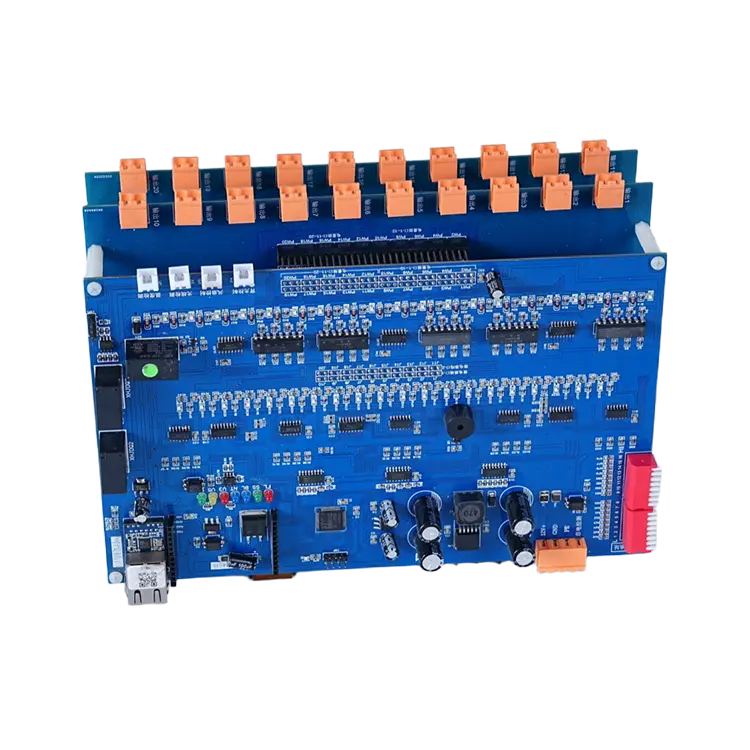
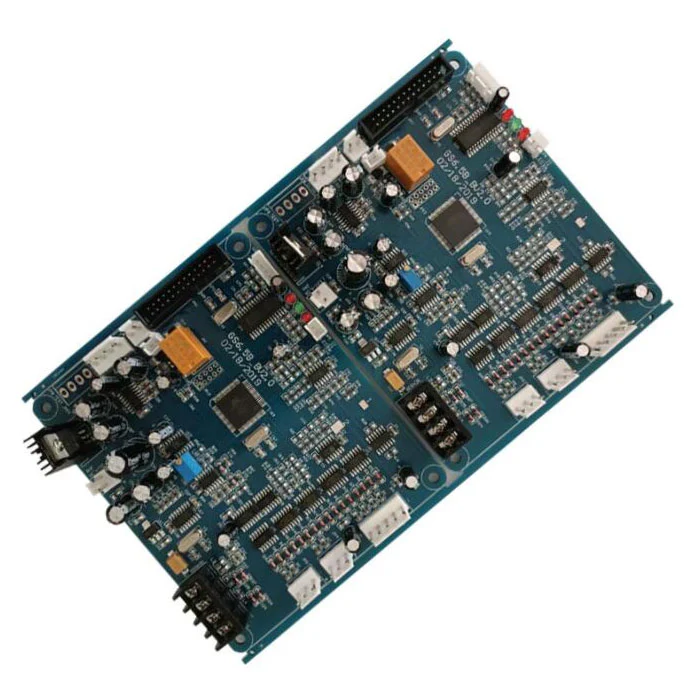
In modern electronics manufacturing, maintaining the cleanliness of printed circuit board assemblies (PCBAs) is no longer optional—it is a critical requirement for reliability, product longevity, and regulatory compliance. Flux residues, solder paste contaminants, dust, oils, and ionic particles can remain on circuit boards after assembly. If not properly removed, these contaminants can cause corrosion, electrical leakage, dendritic growth, or complete device failure. This is where PCBA Aqueous Cleaning becomes an indispensable process.

Aqueous cleaning uses water-based chemical solutions combined with controlled mechanical action and temperature to remove contaminants from assembled circuit boards. Compared with traditional solvent-based cleaning methods, aqueous cleaning offers improved environmental safety, high cleaning efficiency, and compatibility with complex electronics. Manufacturers across industries—including medical devices, automotive electronics, aerospace, telecommunications, and consumer electronics—are increasingly adopting this technology.

For companies seeking dependable and advanced PCBA manufacturing solutions, Shenzhen Fanway Technology Co., Ltd provides professional electronics assembly services with strict quality control standards. By integrating optimized aqueous cleaning processes into production workflows, the company helps customers ensure consistent product performance and reliability even in demanding environments.

PCBA Aqueous Cleaning


Article Summary

This comprehensive guide explores the fundamentals, benefits, technologies, and best practices of PCBA aqueous cleaning. It explains why cleaning is crucial, how aqueous systems work, what equipment and chemicals are involved, and how manufacturers can implement efficient cleaning strategies. The article also addresses common industry challenges and provides practical insights for engineers and procurement teams evaluating cleaning solutions for high-performance electronics manufacturing.


Table of Contents

  • Introduction to PCBA Aqueous Cleaning
  • Common Contaminants Found on PCB Assemblies
  • How Aqueous Cleaning Technology Works
  • Key Advantages of Aqueous Cleaning
  • Aqueous Cleaning vs Solvent Cleaning
  • Industries That Require PCBA Aqueous Cleaning
  • Main Equipment Used in Aqueous Cleaning Systems
  • Cleaning Chemicals and Formulations
  • The Complete Aqueous Cleaning Process
  • Quality Control and Cleanliness Testing
  • Challenges and Best Practices
  • How Shenzhen Fanway Technology Co., Ltd Ensures Clean PCBAs
  • Frequently Asked Questions
  • Conclusion

Introduction to PCBA Aqueous Cleaning

PCBA aqueous cleaning refers to the use of water-based solutions to remove residues from assembled circuit boards after soldering. During surface mount technology (SMT) and through-hole assembly processes, flux materials are used to improve solder joint formation. However, these fluxes often leave behind residues that can be conductive, corrosive, or hygroscopic.

Even small amounts of contamination may lead to long-term reliability issues such as:

  • Electrochemical migration
  • Signal interference
  • Short circuits
  • Reduced insulation resistance
  • Premature component failure

Aqueous cleaning eliminates these risks by using a combination of water, specialized detergents, controlled agitation, and temperature management to remove harmful residues effectively.


Common Contaminants Found on PCB Assemblies

Understanding the types of contamination present on PCBAs helps manufacturers select the appropriate cleaning process.

Contaminant Type Source Potential Risk
Flux Residues Soldering process Corrosion and electrical leakage
Solder Paste Residues SMT assembly Surface contamination
Ionic Contamination Flux chemicals or handling Dendritic growth
Dust and Particles Manufacturing environment Electrical interference
Oils and Fingerprints Manual handling Adhesion problems

Removing these contaminants is essential for ensuring that electronics perform consistently under real-world operating conditions.


How Aqueous Cleaning Technology Works

PCBA aqueous cleaning works through four fundamental mechanisms:

  1. Chemical action – detergents break down flux and organic residues.
  2. Thermal energy – heated solutions improve chemical reaction efficiency.
  3. Mechanical force – spray pressure or ultrasonic agitation dislodges particles.
  4. Rinsing – purified water removes dissolved contaminants.

The combined effect of these mechanisms ensures thorough removal of residues even from complex board geometries such as under low-profile components or dense SMT layouts.


Key Advantages of Aqueous Cleaning

Many electronics manufacturers prefer aqueous cleaning because it offers several operational and environmental benefits.

  • Excellent removal of ionic and organic residues
  • Environmentally safer compared with solvent systems
  • Compatible with high-density PCB assemblies
  • Lower long-term operational costs
  • Improved product reliability
  • Scalable for large manufacturing volumes

By adopting advanced cleaning technology, companies like Shenzhen Fanway Technology Co., Ltd ensure that every assembled PCB meets strict cleanliness and reliability standards required by global customers.


Aqueous Cleaning vs Solvent Cleaning

Feature Aqueous Cleaning Solvent Cleaning
Cleaning Medium Water-based detergents Chemical solvents
Environmental Impact Lower emissions Higher VOC emissions
Safety Generally safer Flammable or hazardous
Cost Lower long-term cost Higher solvent replacement cost
Compatibility Suitable for complex PCBAs Limited in some cases

While solvent cleaning still exists in specialized applications, aqueous systems are increasingly preferred across modern electronics manufacturing facilities.


Industries That Require PCBA Aqueous Cleaning

Certain industries demand extremely high standards of reliability and contamination control.

  • Medical electronics
  • Automotive electronics
  • Aerospace systems
  • Industrial control equipment
  • Telecommunications infrastructure
  • Consumer electronics

In these industries, even minor contamination can lead to critical failures. That is why professional manufacturers such as Shenzhen Fanway Technology Co., Ltd implement strict cleaning procedures for all high-reliability electronic assemblies.


Main Equipment Used in Aqueous Cleaning Systems

Several types of equipment are used depending on production scale and complexity.

  • Inline spray cleaning systems
  • Batch spray cleaning machines
  • Ultrasonic cleaning equipment
  • Deionized water rinsing systems
  • Hot air drying chambers

Advanced systems may include automated conveyors, filtration modules, and real-time process monitoring to ensure consistent cleaning performance.


The Complete Aqueous Cleaning Process

A typical PCBA aqueous cleaning workflow consists of multiple stages designed to achieve maximum cleanliness.

  1. Pre-cleaning or flux softening
  2. Main cleaning with detergent solution
  3. High-pressure spray rinsing
  4. Deionized water final rinse
  5. Hot air or vacuum drying

Each stage plays a critical role in ensuring that residues are completely removed without leaving water spots or chemical traces.


Quality Control and Cleanliness Testing

To confirm the effectiveness of the cleaning process, manufacturers conduct various inspection and testing procedures.

  • Ionic contamination testing
  • Surface insulation resistance testing
  • Visual inspection under magnification
  • Functional electrical testing

By implementing strict inspection protocols, Shenzhen Fanway Technology Co., Ltd ensures that every cleaned PCBA meets the highest industry quality expectations.


Challenges and Best Practices

Although aqueous cleaning is highly effective, manufacturers must address several operational challenges.

  • Complex board geometries
  • Residues trapped under components
  • Water quality management
  • Drying efficiency

Best practices include optimizing cleaning chemistry, controlling temperature, maintaining proper spray pressure, and using high-quality deionized water.


How Shenzhen Fanway Technology Co., Ltd Ensures Clean PCBAs

As an experienced electronics manufacturing partner, Shenzhen Fanway Technology Co., Ltd integrates advanced PCBA aqueous cleaning technologies into its production lines. The company follows strict manufacturing procedures to guarantee cleanliness, reliability, and product stability.

Key capabilities include:

  • Professional SMT and PCB assembly services
  • Advanced aqueous cleaning equipment
  • Strict contamination control
  • Comprehensive inspection and testing
  • Flexible manufacturing for global clients

Through continuous process improvement and modern equipment investment, Shenzhen Fanway Technology Co., Ltd helps customers reduce product failure risks and maintain high-quality electronics manufacturing standards.


Frequently Asked Questions

1. What is the purpose of PCBA aqueous cleaning?

Its main purpose is to remove flux residues, particles, and chemical contaminants that may affect the reliability and performance of electronic assemblies.

2. Is aqueous cleaning safe for sensitive components?

Yes. When properly controlled, aqueous cleaning systems are designed to safely clean PCB assemblies without damaging sensitive electronic components.

3. Does every PCB assembly require cleaning?

Not all assemblies require cleaning, but products used in high-reliability industries almost always require it.

4. What type of water is used in aqueous cleaning?

Most systems use deionized (DI) water to prevent mineral deposits and ensure effective rinsing.

5. How long does the cleaning process take?

Cleaning cycles typically range from a few minutes to over ten minutes depending on board complexity and contamination levels.


Conclusion

PCBA aqueous cleaning plays a crucial role in modern electronics manufacturing. By effectively removing harmful contaminants from circuit boards, this process ensures long-term reliability, improves product performance, and reduces the risk of costly failures in the field. As electronic devices continue to become smaller, faster, and more complex, maintaining high standards of cleanliness will remain essential for manufacturers worldwide.

If you are looking for a trusted electronics manufacturing partner with advanced cleaning capabilities, Shenzhen Fanway Technology Co., Ltd is ready to support your projects with professional PCBA assembly solutions and strict quality control processes. Whether you need prototype production or large-scale manufacturing, our experienced team is committed to delivering reliable and high-performance circuit board assemblies.

Contact us today to learn how Shenzhen Fanway Technology Co., Ltd can help optimize your electronics manufacturing process and ensure the highest level of product reliability.

Related News
Leave me a message
X
We use cookies to offer you a better browsing experience, analyze site traffic and personalize content. By using this site, you agree to our use of cookies. Privacy Policy
Reject Accept