THT PCB Assembly (Through-Hole Technology Printed Circuit Board Assembly) remains one of the most reliable and widely used methods in electronics manufacturing, especially in applications that require strong mechanical bonding, high durability, and long-term performance stability. While surface mount technology dominates compact consumer electronics, THT continues to play a critical role in industrial systems, power equipment, automotive electronics, aerospace devices, and medical instruments. This article explores the complete ecosystem of THT PCB Assembly, from its working principles and process flow to its advantages, limitations, real-world applications, and quality control standards. It also highlights how Shenzhen Fanway Technology Co., Ltd delivers professional-grade THT PCB Assembly solutions tailored to modern engineering demands.
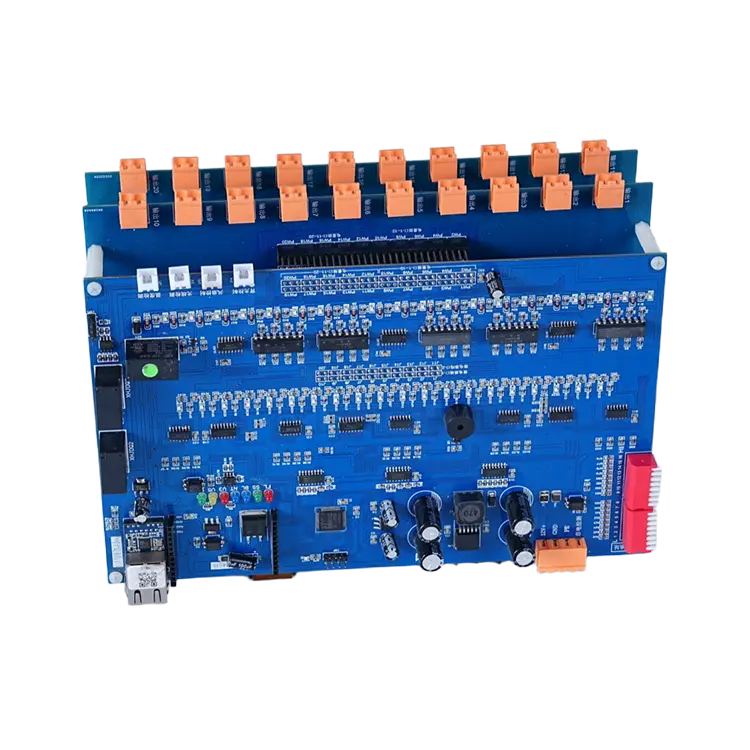
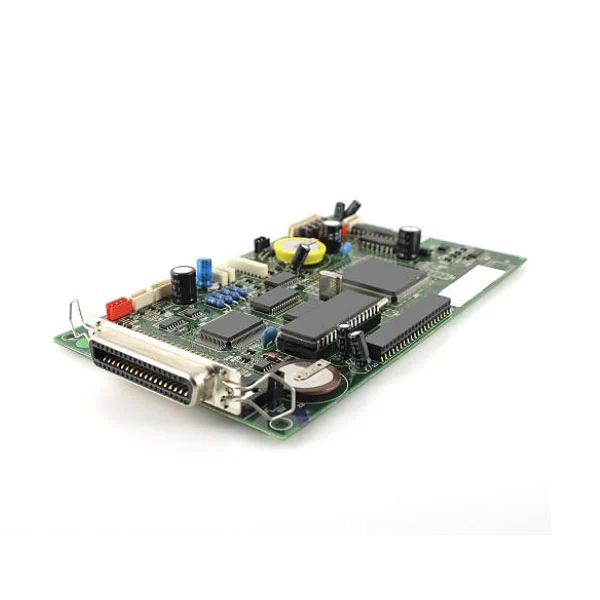
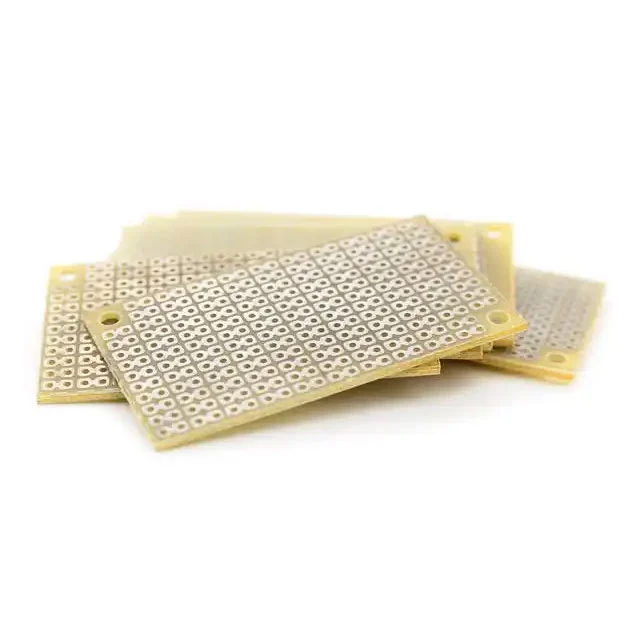
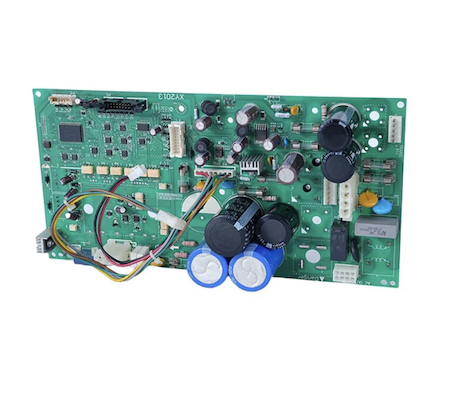
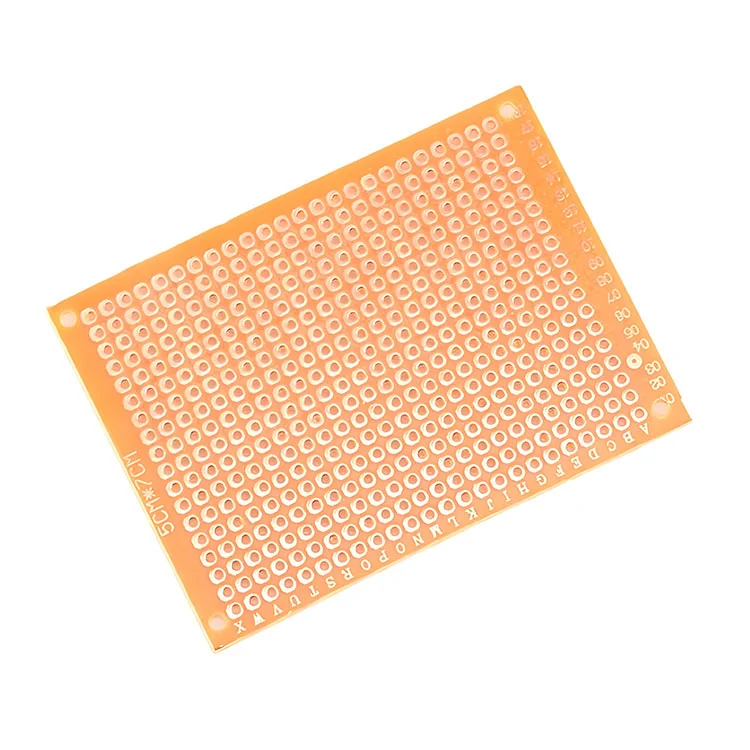
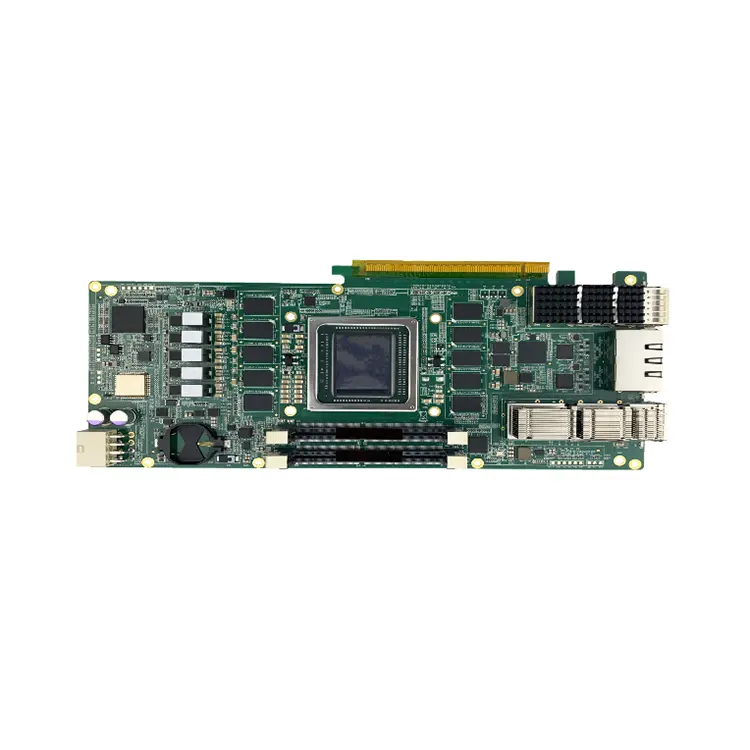
THT PCB Assembly refers to a manufacturing process where electronic components are inserted into drilled holes on a printed circuit board and then soldered to create strong electrical and mechanical connections. This method has been used for decades and continues to be essential in applications requiring high durability and reliability.
Unlike surface mounting techniques, THT components physically pass through the PCB, creating a stronger bond between the component and the board. This makes it ideal for high-stress environments such as automotive control systems, industrial machinery, and power electronics. Companies like Shenzhen Fanway Technology Co., Ltd specialize in delivering high-precision THT PCB Assembly services that meet strict industry requirements.
How THT PCB Assembly Works
The THT PCB Assembly process involves several carefully controlled steps to ensure precision and performance.
Step 1: PCB Drilling – Holes are drilled into the PCB to match component lead sizes.
Step 2: Component Insertion – Components are manually or automatically inserted into the holes.
Step 3: Soldering – Wave soldering or manual soldering is applied to secure components.
Step 5: Testing – Electrical testing verifies functionality and reliability.
Shenzhen Fanway Technology Co., Ltd integrates advanced automation systems into each stage to improve consistency and reduce production errors.
Key Advantages of THT PCB Assembly
THT PCB Assembly offers several important advantages that keep it relevant in modern electronics manufacturing:
Strong Mechanical Strength: Ideal for heavy components such as transformers and connectors.
High Durability: Withstands vibration and mechanical stress.
Reliable Connections: Better suited for high-power circuits.
Easy Prototyping: Suitable for testing and manual assembly adjustments.
These advantages make it indispensable in mission-critical applications, especially where failure is not an option.
THT vs SMT: A Detailed Comparison
Feature
THT PCB Assembly
SMT Assembly
Mechanical Strength
Very High
Moderate
Component Size
Larger
Smaller
Production Speed
Slower
Faster
Cost Efficiency
Higher for small runs
Better for mass production
Application Type
Industrial, Power Systems
Consumer Electronics
While SMT is widely used in compact devices, THT PCB Assembly remains superior in durability and load-bearing performance. Shenzhen Fanway Technology Co., Ltd often combines both technologies in hybrid PCB designs to maximize performance.
Industrial Applications
THT PCB Assembly is widely used across various industries due to its reliability:
Automotive electronics (ECU systems, sensors)
Industrial automation equipment
Power supply units and converters
Medical devices and diagnostic machines
Aerospace and defense systems
In these sectors, Shenzhen Fanway Technology Co., Ltd provides customized THT PCB Assembly solutions that ensure consistent performance even under extreme conditions.
Challenges and Solutions
Despite its advantages, THT PCB Assembly faces certain challenges:
Labor Intensive: Requires more manual work compared to SMT.
Slower Production: Not ideal for high-speed mass production.
Space Requirements: Components take up more PCB space.
However, companies like Shenzhen Fanway Technology Co., Ltd overcome these challenges by implementing semi-automated insertion systems and optimized production workflows.
Quality Control and Testing Methods
Quality assurance is critical in THT PCB Assembly. Common testing methods include:
Automated Optical Inspection (AOI)
In-Circuit Testing (ICT)
Functional Testing
Thermal Stress Testing
Shenzhen Fanway Technology Co., Ltd applies strict quality control protocols to ensure every PCB meets international reliability standards.
Modern Innovations in THT Assembly
Even though THT is an older technology, it continues to evolve. Modern innovations include:
Automated component insertion machines
Advanced wave soldering systems
Hybrid SMT + THT integration
AI-assisted defect detection
These advancements allow Shenzhen Fanway Technology Co., Ltd to maintain high efficiency while preserving the mechanical advantages of THT PCB Assembly.
Why Choose Shenzhen Fanway Technology Co., Ltd
Choosing the right manufacturing partner is essential for achieving high-quality electronic products. Shenzhen Fanway Technology Co., Ltd stands out due to its:
Advanced production facilities
Experienced engineering team
Strict quality control systems
Customized THT PCB Assembly solutions
Global supply chain support
By combining engineering expertise with modern manufacturing technology, Shenzhen Fanway Technology Co., Ltd ensures reliable and cost-effective PCB assembly solutions for global clients.
Frequently Asked Questions (FAQ)
Q1: What is THT PCB Assembly used for?
A: It is used for applications requiring strong mechanical bonding and high durability, such as industrial and power electronics.
Q2: Is THT still relevant today?
A: Yes, it remains essential for heavy-duty and high-reliability applications.
Q3: Can THT and SMT be combined?
A: Yes, hybrid PCB designs often combine both for optimized performance.
Q4: Why choose Shenzhen Fanway Technology Co., Ltd?
A: Because it offers advanced manufacturing capabilities, strict quality control, and customized solutions for THT PCB Assembly.
Conclusion
THT PCB Assembly continues to play a vital role in modern electronics manufacturing due to its unmatched mechanical strength and reliability. While newer technologies like SMT dominate compact consumer electronics, THT remains indispensable for high-power and high-reliability applications.
With continuous innovation and engineering excellence, Shenzhen Fanway Technology Co., Ltd provides world-class THT PCB Assembly services that meet the evolving demands of global industries. Whether for prototyping or large-scale production, their expertise ensures stability, durability, and long-term performance.
For customized solutions, technical consultation, or partnership opportunities, please contact us at Shenzhen Fanway Technology Co., Ltd. We are ready to support your next project with professional THT PCB Assembly services.
We use cookies to offer you a better browsing experience, analyze site traffic and personalize content. By using this site, you agree to our use of cookies.
Privacy Policy