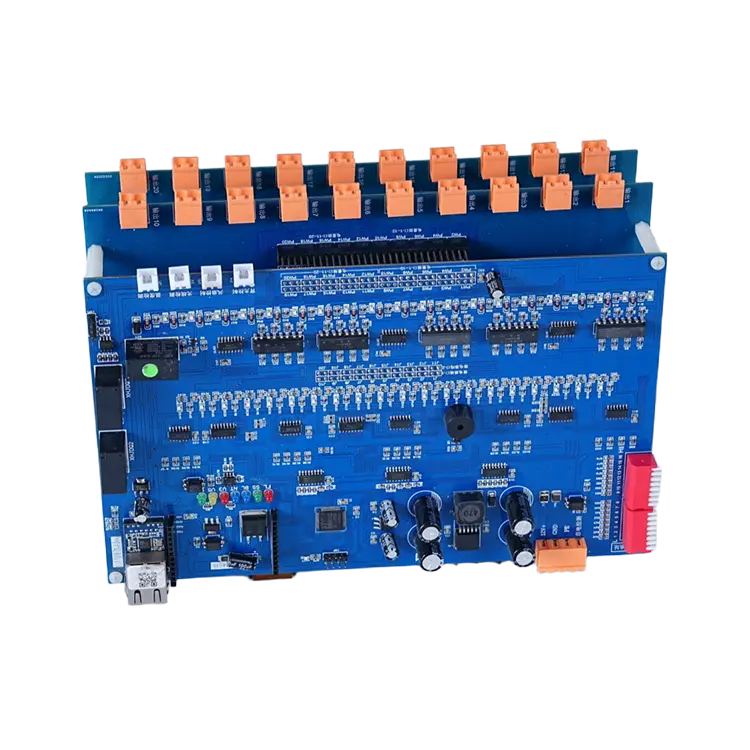
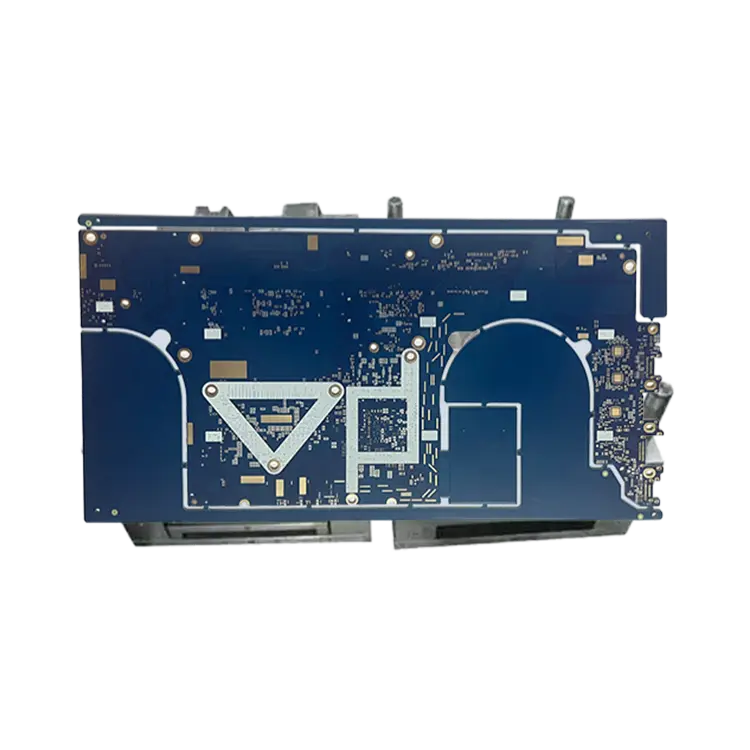
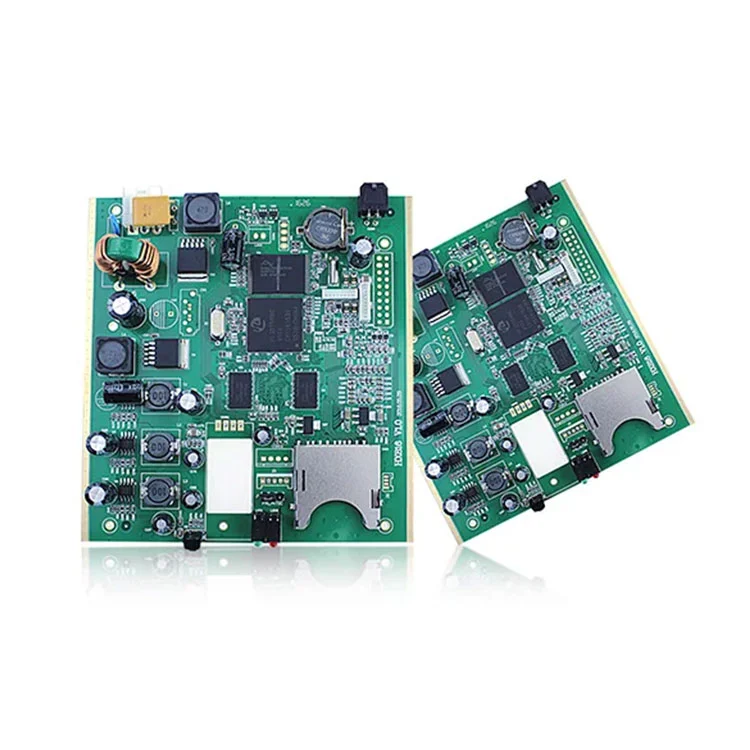
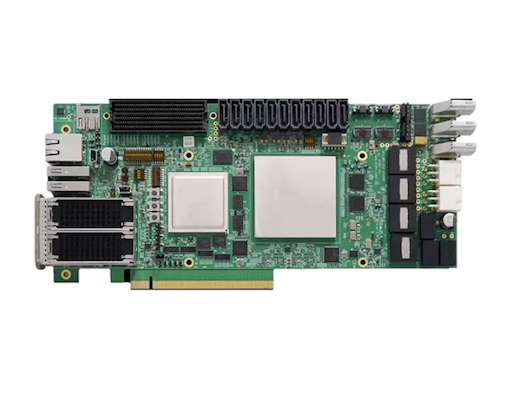
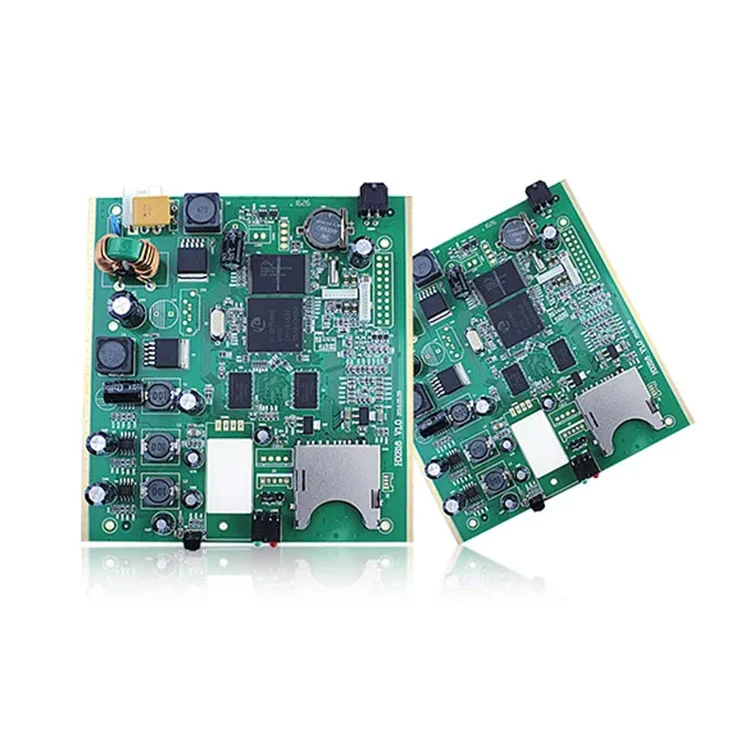
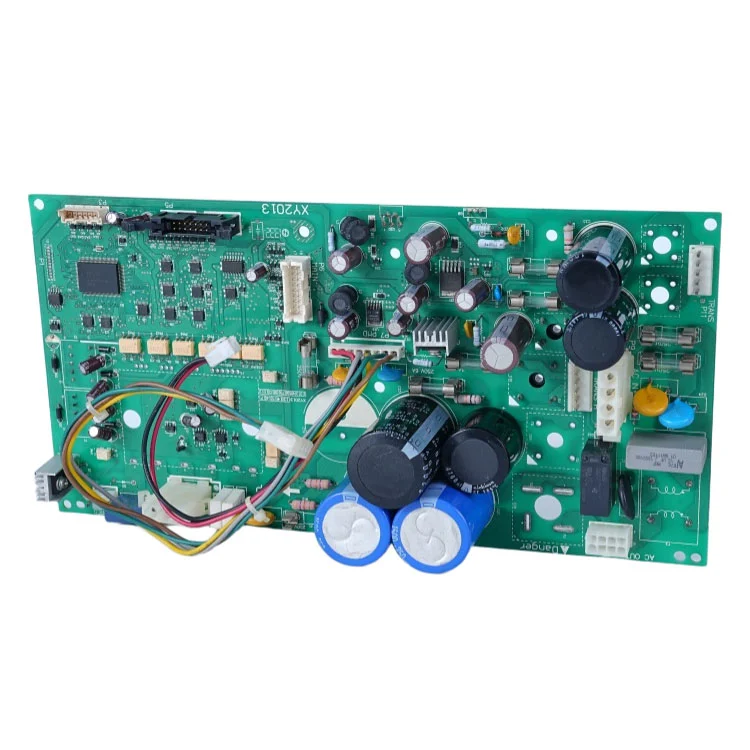
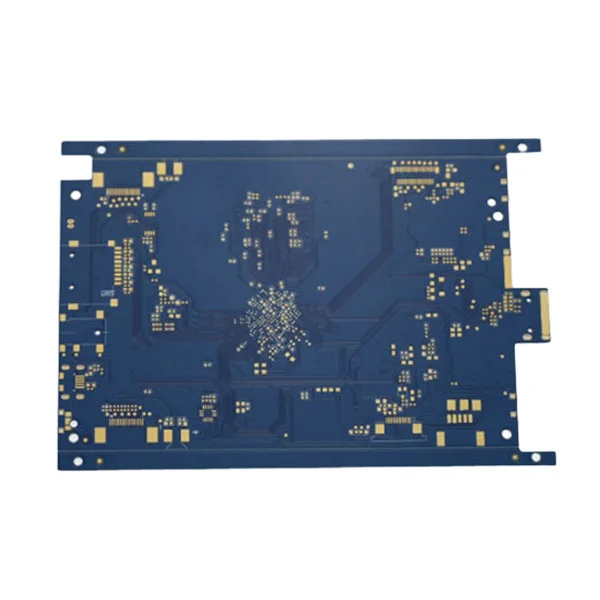
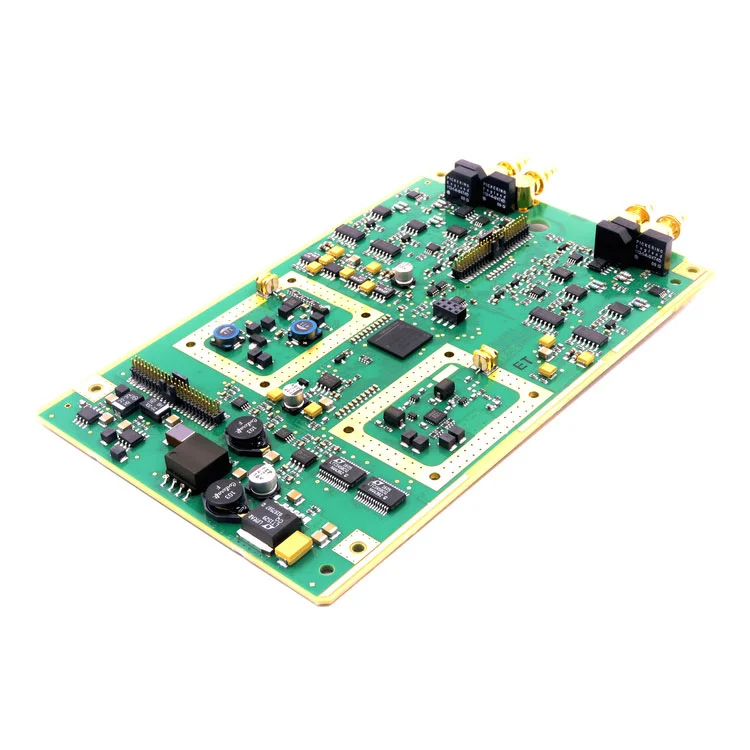
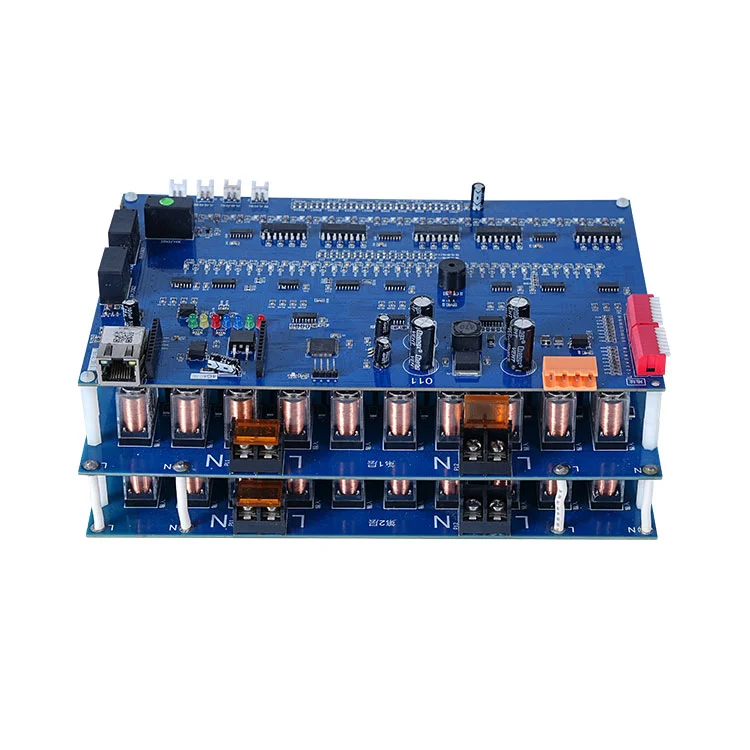
Fast product development cycles, growing market competition, and rising customer expectations have transformed how electronic products are designed and manufactured. Quick Turn PCB Assembly has become a critical solution for startups, engineers, OEMs, and technology companies that need rapid prototyping and reliable production without sacrificing quality.
Article Summary
This article explains everything businesses and engineers need to know about Quick Turn PCB Assembly, including its benefits, manufacturing process, cost factors, lead times, quality standards, material selection, common challenges, and how to choose the right supplier. Whether you are developing consumer electronics, industrial devices, automotive systems, or IoT products, understanding rapid PCB assembly can significantly improve efficiency, shorten development cycles, and accelerate market entry.
The electronics industry evolves at an incredible speed. Companies are expected to launch smarter, smaller, and more powerful products within shorter development cycles. Traditional manufacturing timelines often cannot keep up with these demands. This is where Quick Turn PCB Assembly becomes a game-changing manufacturing solution.
Quick Turn PCB Assembly refers to the rapid fabrication and assembly of printed circuit boards within extremely short lead times. In many cases, prototypes can be completed within 24 to 72 hours depending on complexity. This rapid manufacturing capability enables engineers to test designs, identify issues, and move products to market faster than ever before.
From medical devices and automotive electronics to telecommunications equipment and IoT systems, rapid PCB assembly supports innovation across nearly every technology-driven industry.
2. What Is Quick Turn PCB Assembly?
Quick Turn PCB Assembly is a manufacturing service that combines fast PCB fabrication with rapid electronic component assembly. The goal is to minimize production delays while maintaining high manufacturing standards.
The process usually includes:
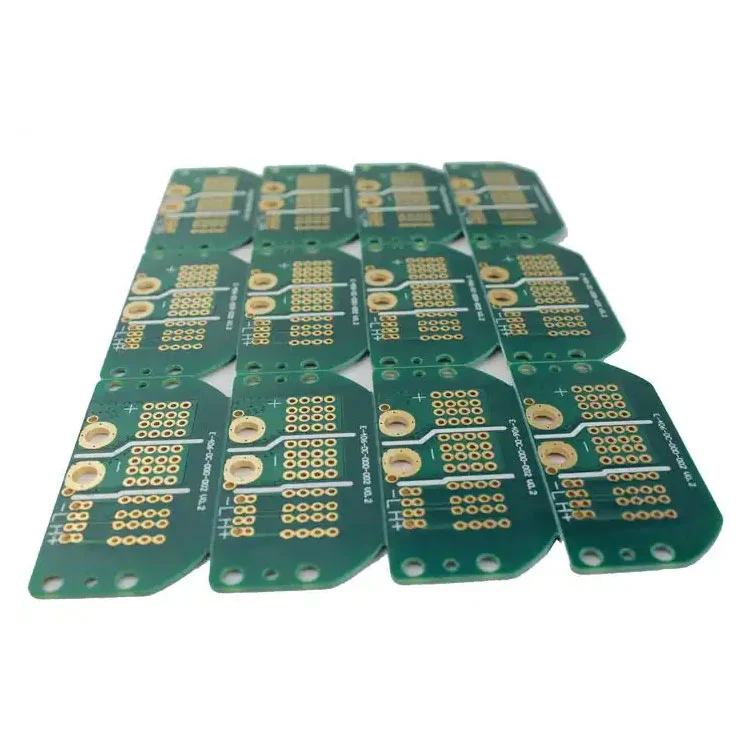
PCB fabrication
Component sourcing
Surface mount technology (SMT)
Through-hole assembly
Soldering
Testing and inspection
Final packaging
Unlike traditional production models that may require several weeks, quick turn services focus on speed, precision, and flexibility.
Feature
Traditional PCB Assembly
Quick Turn PCB Assembly
Lead Time
2-6 Weeks
24 Hours - 7 Days
Flexibility
Lower
High
Prototype Support
Limited
Excellent
Design Iteration
Slow
Rapid
Market Entry Speed
Longer
Faster
3. Why Fast PCB Assembly Matters
Speed has become one of the most important competitive advantages in electronics manufacturing. Delays in prototype testing or product launches can result in lost revenue, missed opportunities, and increased development costs.
Quick Turn PCB Assembly helps businesses:
Reduce development cycles
Accelerate product testing
Improve engineering efficiency
Respond quickly to market changes
Minimize downtime during redesigns
Launch products before competitors
For startups, rapid PCB assembly can determine whether a product reaches investors or customers on time. For large manufacturers, it helps maintain production continuity and reduce operational risk.
Step 2: Engineering Review
Manufacturers analyze design feasibility and identify potential production issues.
Step 3: PCB Fabrication
The bare PCB is manufactured according to the design specifications.
Step 4: Component Procurement
Electronic components are sourced from approved suppliers.
Step 5: SMT and Through-Hole Assembly
Components are mounted onto the board using automated assembly machines.
Step 6: Inspection and Testing
AOI, X-ray inspection, ICT, and functional testing ensure reliability.
Step 7: Packaging and Delivery
Completed boards are carefully packaged and shipped to customers.
5. Industries That Depend on Rapid PCB Assembly
Quick Turn PCB Assembly is widely used in industries where speed, reliability, and innovation are critical.
Consumer Electronics
Smartphones, wearables, gaming devices, and smart home products require rapid product development.
Medical Equipment
Medical monitoring systems and diagnostic equipment demand reliable and accurate PCB solutions.
Automotive Electronics
Advanced driver assistance systems and electric vehicle technologies rely on high-performance PCBs.
Industrial Automation
Factories require durable electronic systems for robotics and control systems.
6. Major Benefits of Quick Turn PCB Assembly
Rapid PCB manufacturing offers several important advantages for modern businesses.
Faster Product Launches: Products reach the market quicker.
Improved Design Flexibility: Engineers can quickly revise prototypes.
Reduced Development Costs: Faster iterations lower engineering expenses.
Higher Efficiency: Manufacturing workflows become more streamlined.
Better Market Responsiveness: Companies can adapt to changing customer needs.
Reduced Inventory Pressure: Smaller batch production minimizes storage costs.
These benefits help organizations maintain competitiveness in rapidly evolving industries.
7. Materials Used in PCB Assembly
Material selection directly affects PCB performance, durability, and manufacturing speed.
Material
Advantages
Applications
FR4
Cost-effective and reliable
Consumer electronics
Aluminum PCB
Excellent heat dissipation
LED lighting
Rogers Material
High-frequency performance
RF communication
Flexible PCB
Compact and bendable
Wearable devices
8. Advanced Technologies in PCB Manufacturing
Modern Quick Turn PCB Assembly relies heavily on advanced manufacturing technologies.
Automated optical inspection (AOI)
X-ray inspection systems
High-speed SMT machines
Lead-free soldering technology
Laser drilling
Automated testing platforms
Intelligent manufacturing software
These technologies improve manufacturing speed while maintaining precision and consistency.
9. Quality Control Standards
Speed should never compromise quality. Reliable PCB manufacturers implement strict quality control systems throughout production.
Important inspection methods include:
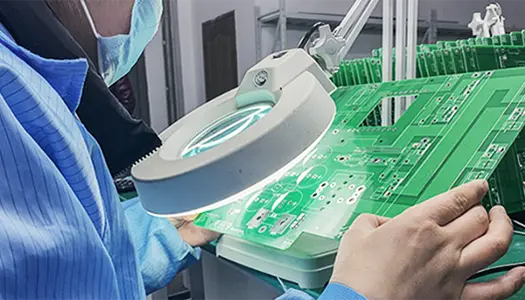
Visual inspection
Automated optical inspection
X-ray inspection
Flying probe testing
In-circuit testing
Functional testing
Quality certifications such as ISO 9001, IPC standards, and RoHS compliance also demonstrate manufacturing reliability.
A high-quality PCB assembly partner not only delivers products quickly but also ensures long-term electrical stability, durability, and consistent performance.
10. Factors Affecting Cost
Several variables influence Quick Turn PCB Assembly pricing.
Board complexity
Layer count
PCB dimensions
Material type
Component availability
Assembly technology
Testing requirements
Production quantity
Lead time urgency
Urgent manufacturing schedules often require additional labor and priority processing, which can increase costs. However, rapid turnaround frequently saves money overall by reducing development delays and accelerating commercialization.
11. Common Mistakes to Avoid
Many engineering teams experience avoidable delays because of incomplete preparation or poor communication.
Submitting incomplete Gerber files
Incorrect BOM information
Ignoring DFM recommendations
Choosing unavailable components
Underestimating testing requirements
Using unverified suppliers
Poor communication during revisions
Working with an experienced manufacturer can help prevent these costly mistakes and improve production efficiency.
12. How to Choose the Right PCB Assembly Partner
Selecting the right manufacturing partner is one of the most important decisions for successful electronic product development.
Businesses should evaluate suppliers based on:
Evaluation Factor
Why It Matters
Manufacturing Experience
Reduces production risk
Quality Certifications
Ensures industry compliance
Lead Time Capability
Supports urgent projects
Technical Support
Improves communication
Testing Capability
Improves product reliability
Supply Chain Stability
Avoids component shortages
An experienced PCB assembly company can provide valuable engineering insights that improve manufacturability and reduce long-term costs.
13. Future Trends in Quick Turn PCB Assembly
The future of PCB manufacturing will continue evolving alongside emerging technologies.
Important industry trends include:
AI-assisted manufacturing optimization
Greater automation in assembly lines
Miniaturized electronic components
High-density interconnect (HDI) boards
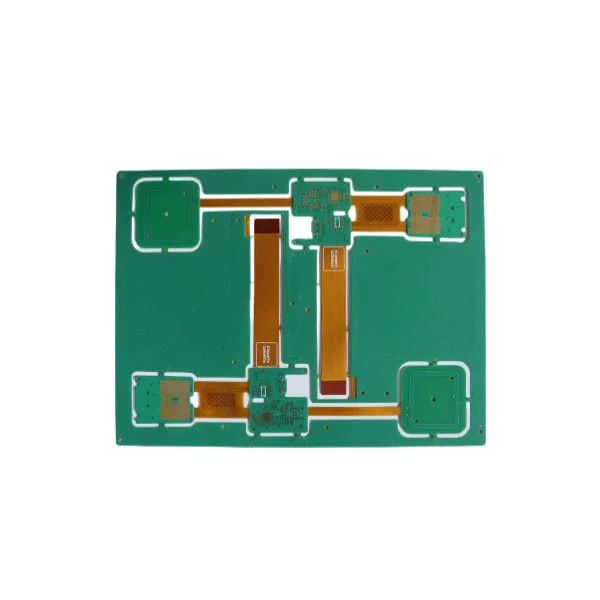
Flexible and rigid-flex PCBs
Improved sustainability practices
Faster global supply chain integration
As electronic devices become increasingly sophisticated, manufacturers will require even faster and more precise PCB assembly capabilities.
14. Frequently Asked Questions
Q1: How fast can Quick Turn PCB Assembly be completed?
Simple prototypes can sometimes be completed within 24 to 48 hours, while more complex projects may require several days.
Q2: Is Quick Turn PCB Assembly more expensive?
Urgent production generally costs more than standard manufacturing, but the faster development cycle often reduces overall project expenses.
Q3: Can rapid PCB assembly support complex multilayer boards?
Yes. Advanced manufacturers can produce high-density multilayer PCBs with fast turnaround times.
Q4: What files are required for PCB assembly?
Typical requirements include Gerber files, BOM lists, pick-and-place files, assembly drawings, and testing specifications.
Q5: Which industries benefit most from quick turn manufacturing?
Consumer electronics, automotive, medical, aerospace, telecommunications, and industrial automation industries all rely heavily on rapid PCB assembly services.
15. Final Thoughts
Quick Turn PCB Assembly has become an essential manufacturing solution for companies seeking speed, flexibility, and reliability in electronic product development. As global competition intensifies and technology cycles shorten, businesses need manufacturing partners capable of delivering high-quality PCB solutions within extremely tight schedules.
From rapid prototyping to full-scale production support, fast PCB assembly services enable organizations to improve innovation efficiency, reduce time-to-market, and remain competitive in fast-changing industries.
Need Reliable Quick Turn PCB Assembly Services?
Shenzhen Fanway Technology Co., Ltd specializes in high-quality PCB fabrication and rapid PCB assembly solutions for global customers. Whether you need fast prototypes, multilayer PCB manufacturing, SMT assembly, or complete electronic production support, our experienced engineering team is ready to help.
Contact us today to accelerate your next electronics project with dependable manufacturing support and fast delivery solutions.
We use cookies to offer you a better browsing experience, analyze site traffic and personalize content. By using this site, you agree to our use of cookies.
Privacy Policy