Shenzhen Fanway Technology Co., Ltd.
News

News

How Does PCB Design and Manufacturing Shape Modern Electronics?

2026-05-18 0 Leave me a message

Discover the complete process of PCB design and manufacturing, common customer pain points, production technologies, quality standards, material selection, cost optimization strategies, and how reliable PCB solutions improve electronic product performance.

PCB design and manufacturing


Article Summary

Printed Circuit Boards (PCBs) are the backbone of nearly every electronic device used today. From industrial automation systems and medical devices to consumer electronics and automotive applications, PCB design and manufacturing directly influence product reliability, performance, and longevity.

This article explains the full PCB production lifecycle, including schematic design, layout optimization, material selection, fabrication methods, assembly processes, testing procedures, and manufacturing challenges. It also highlights how businesses can reduce production costs, improve quality consistency, and accelerate product development timelines through strategic PCB engineering.


Table of Contents


1. What Is PCB Design and Manufacturing?

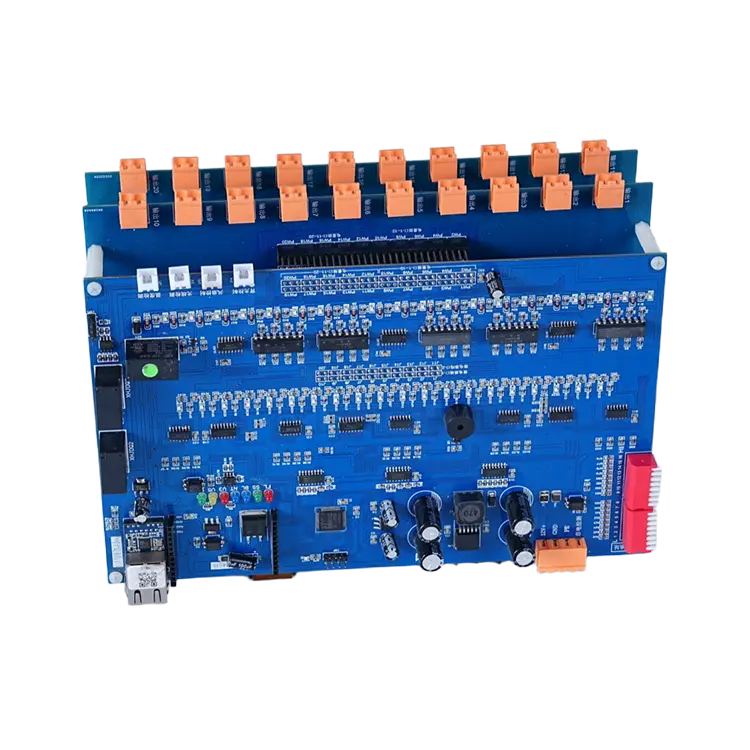
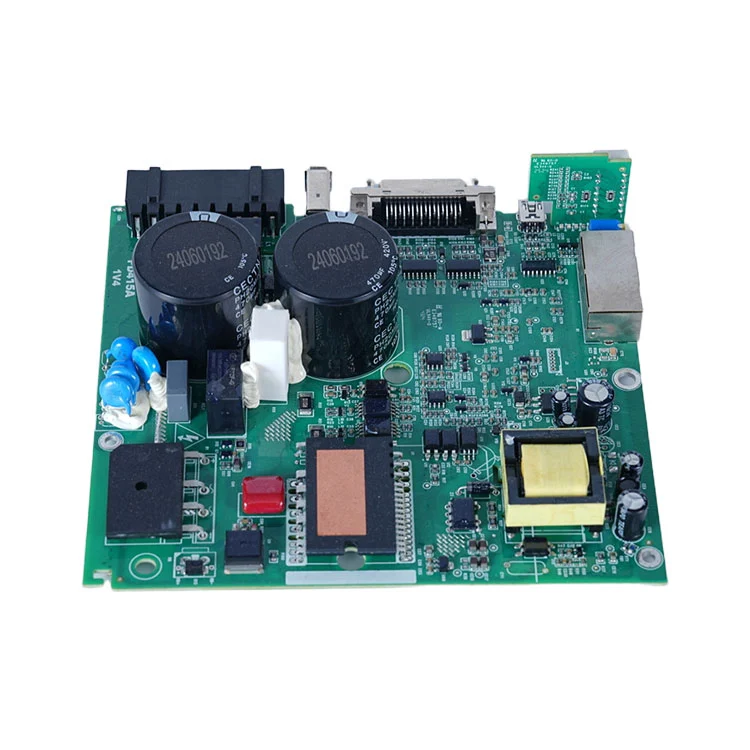
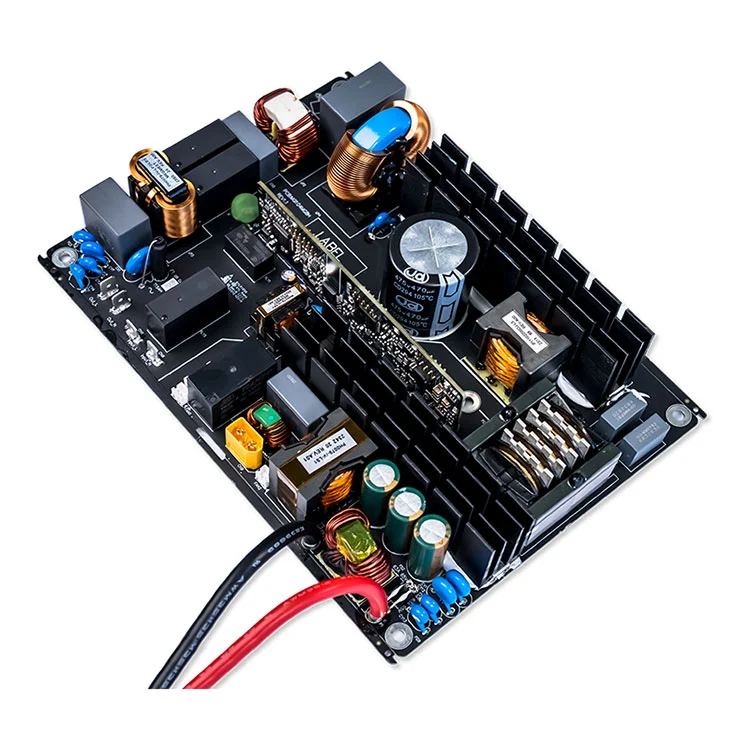
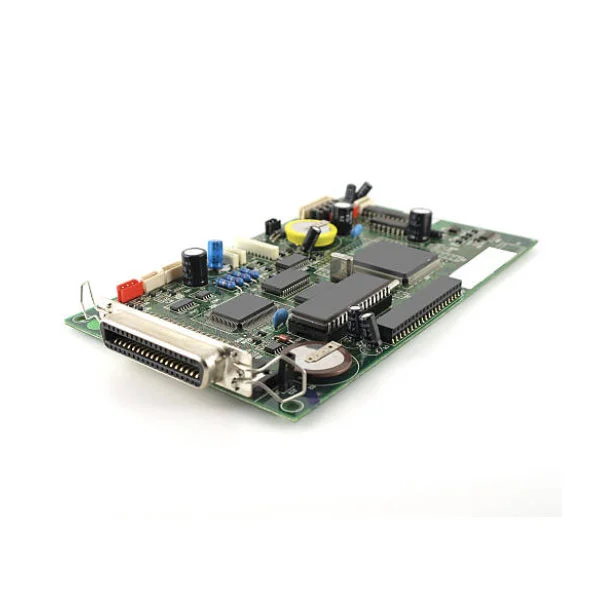
PCB design and manufacturing refer to the complete process of creating printed circuit boards that electrically connect and mechanically support electronic components. A PCB acts as the central platform that allows devices to function efficiently and reliably.

PCB design focuses on electrical schematics, component placement, signal routing, thermal management, and structural optimization. Manufacturing transforms those digital layouts into physical boards through etching, drilling, plating, solder masking, and assembly procedures.

The process combines electrical engineering, material science, automation, and precision manufacturing. Even small design errors can result in signal interference, overheating, unstable operation, or complete product failure.

Stage Main Purpose
Schematic Design Create electrical logic and circuit connectivity
PCB Layout Arrange components and route electrical traces
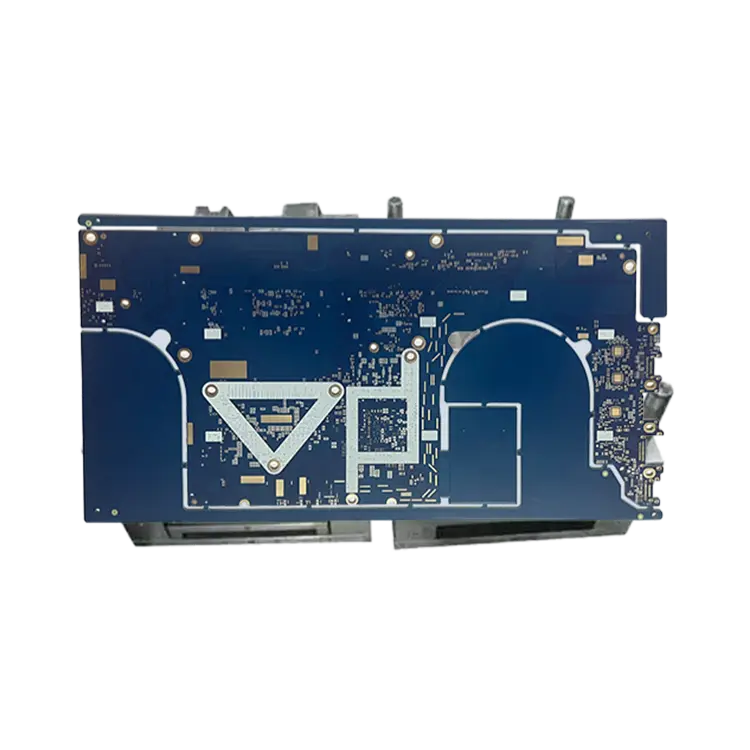
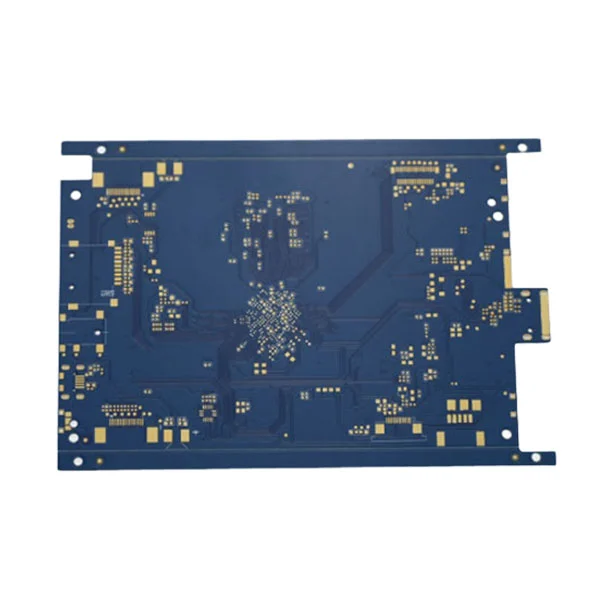
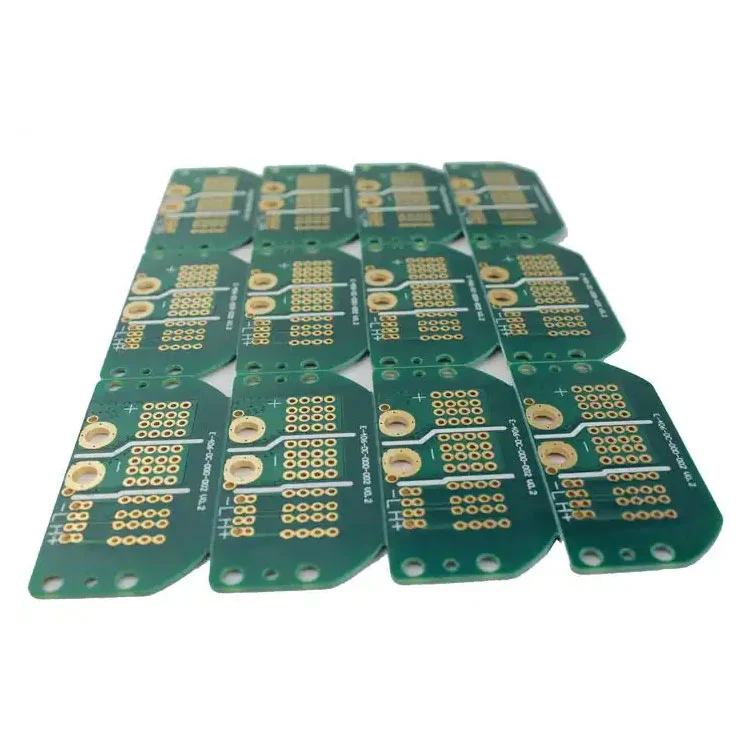
Fabrication Manufacture bare PCB boards
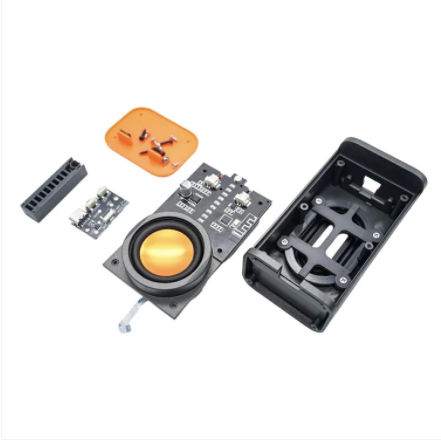
Assembly Mount and solder electronic components
Testing Verify electrical and mechanical reliability

2. Why Are PCBs Essential in Modern Electronics?

Without PCBs, modern electronic systems would be larger, less reliable, and extremely difficult to manufacture consistently. PCBs simplify wiring structures while enabling compact, high-speed, and high-density electronic integration.

PCB technology improves:

  • Electrical performance
  • Signal integrity
  • Thermal efficiency
  • Product miniaturization
  • Mass production consistency
  • Mechanical durability

Advanced PCB designs support high-frequency communications, artificial intelligence systems, autonomous vehicles, medical monitoring devices, and industrial robotics.

Key Insight: High-quality PCB engineering directly impacts product lifespan, operational stability, and customer satisfaction.

3. How Does the PCB Design Process Work?

PCB design involves multiple engineering stages that transform product concepts into manufacturable electronic systems.

Schematic Creation

Engineers first create electronic schematics that define circuit functionality and electrical relationships between components.

Component Placement

Strategic component placement minimizes interference, improves thermal distribution, and optimizes signal transmission paths.

Trace Routing

Copper traces connect components while maintaining signal integrity and current capacity requirements.

Design Verification

Engineers perform DRC (Design Rule Check) and ERC (Electrical Rule Check) analysis to detect manufacturing or electrical issues before production.

Common PCB Design Problems

  • Poor heat dissipation
  • Signal interference
  • Insufficient spacing between traces
  • Incorrect layer stack-up
  • Power integrity issues
  • Manufacturing incompatibility

4. Which Materials Are Commonly Used in PCB Manufacturing?

PCB material selection affects electrical performance, durability, thermal resistance, and manufacturing cost.

Material Advantages Applications
FR4 Affordable and versatile Consumer electronics
Aluminum Excellent heat dissipation LED lighting systems
Polyimide Flexible and heat resistant Flexible circuits
Ceramic High-frequency performance Aerospace and RF devices

Selecting inappropriate materials may cause overheating, signal instability, or premature board failure.


5. What Are the Main Types of PCB Boards?

Different PCB structures are designed for different application requirements.

Single-Sided PCB

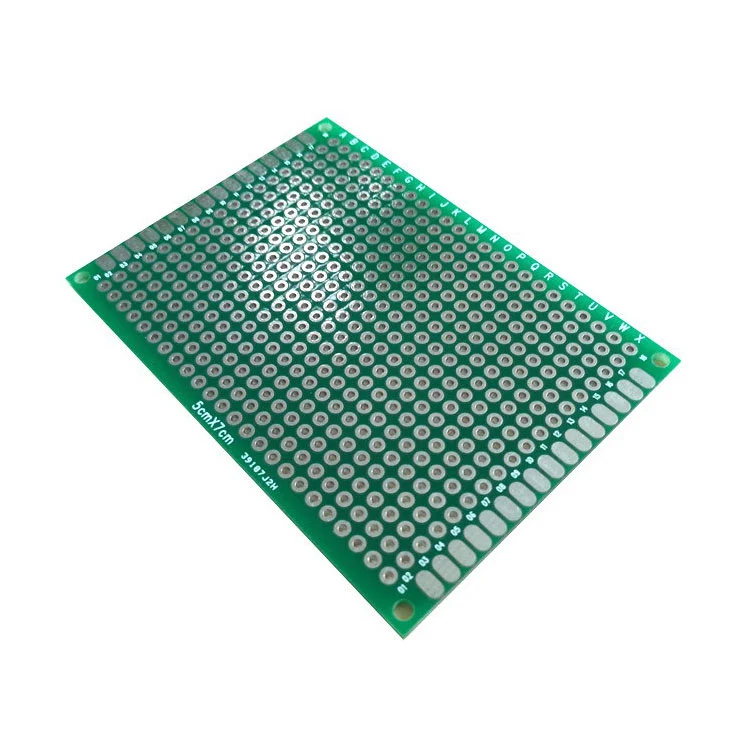
Features copper on one side only. Suitable for simple and low-cost electronics.

Double-Sided PCB

Uses conductive layers on both sides for increased circuit density.

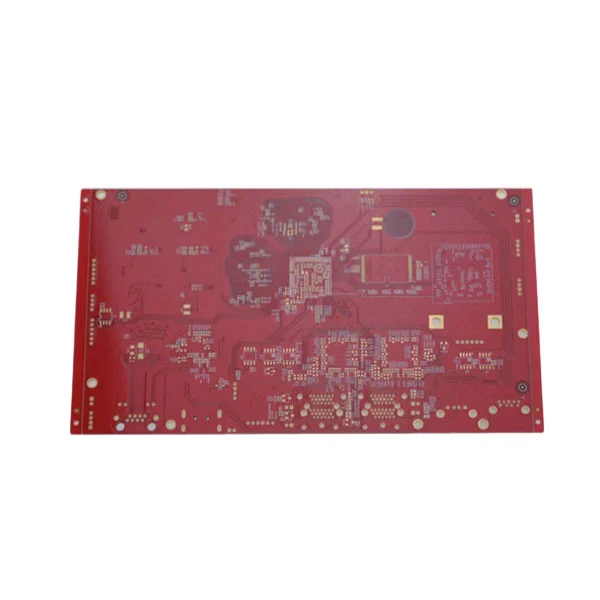
Multilayer PCB

Contains multiple conductive layers for high-speed and complex electronic systems.

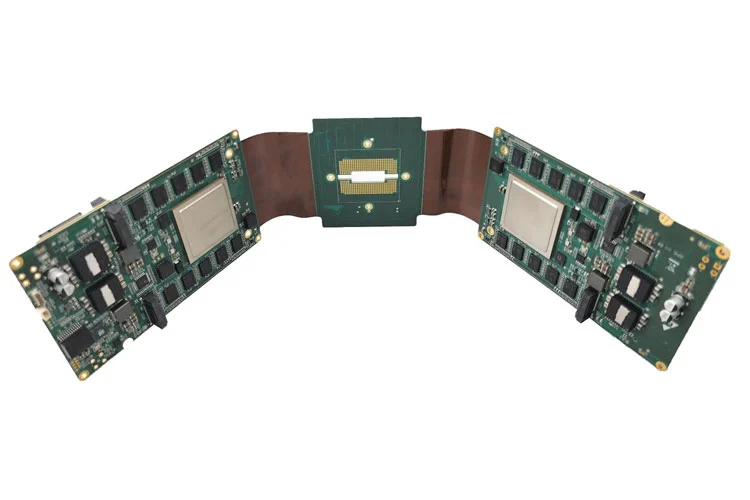
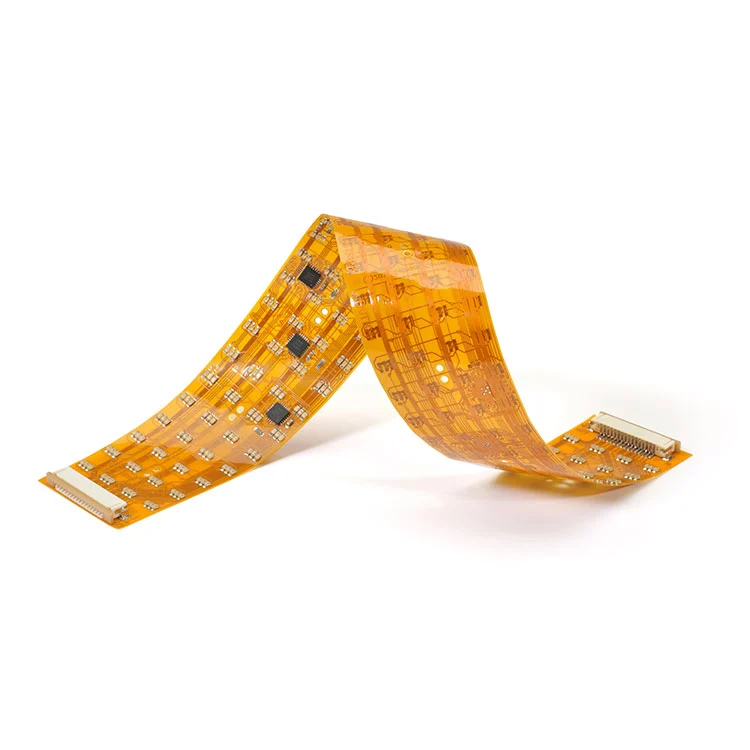
Flexible PCB

Bendable circuit boards designed for compact and dynamic applications.


6. How Does PCB Fabrication Take Place?

PCB fabrication transforms digital PCB files into physical circuit boards using highly controlled manufacturing techniques.

Step 1: Inner Layer Imaging

Circuit patterns are transferred onto copper-clad laminates using photoresist technology.

Step 2: Etching

Excess copper is chemically removed to create conductive pathways.

Step 3: Drilling

Precision drilling machines create vias and mounting holes.

Step 4: Copper Plating

Conductive copper layers are added inside drilled holes to establish electrical interconnections.

Step 5: Solder Mask Application

Protective solder masks prevent oxidation and solder bridging.

Step 6: Surface Finishing

Surface finishes improve solderability and corrosion resistance.

Important: Manufacturing precision becomes increasingly critical for high-density interconnect (HDI) boards and miniaturized electronics.

7. What Challenges Do Customers Face During PCB Production?

Many customers encounter unexpected problems during PCB design and manufacturing projects.

  • Long lead times
  • Inconsistent product quality
  • Communication barriers
  • Design manufacturability issues
  • Unexpected engineering changes
  • Thermal performance failures
  • High defect rates
  • Supply chain instability

Reliable PCB manufacturers reduce these risks through engineering support, advanced quality management systems, and automated inspection technologies.

Customer Pain Point Recommended Solution
Signal instability Optimize routing and impedance control
Overheating Improve thermal design and material selection
Production delays Strengthen supply chain coordination
High manufacturing cost Simplify board structure and optimize layout

8. How Can PCB Manufacturing Costs Be Reduced?

Cost optimization does not simply mean choosing the cheapest materials. Effective PCB cost control balances performance, manufacturability, and long-term reliability.

Businesses can reduce PCB production expenses by:

  • Reducing unnecessary layer counts
  • Standardizing board dimensions
  • Using readily available materials
  • Minimizing complex drilling requirements
  • Optimizing panel utilization
  • Reducing engineering revisions
  • Designing for automated assembly

Early collaboration between designers and manufacturers significantly lowers development risks and production waste.


9. Why Is PCB Quality Control Important?

PCB failures can lead to expensive recalls, operational downtime, safety hazards, and reputation damage.

Comprehensive quality control ensures manufacturing consistency and product reliability.

Key Inspection Methods

  • Automated Optical Inspection (AOI)
  • X-ray inspection
  • Flying probe testing
  • Functional testing
  • Thermal stress analysis
  • Solderability testing

Strict quality systems reduce failure rates while improving customer confidence and long-term product stability.


10. What Industries Depend on PCB Technology?

PCB solutions are critical across many industries.

Consumer Electronics

Smartphones, laptops, tablets, and wearable devices rely heavily on compact PCB systems.

Automotive

Modern vehicles use PCBs in safety systems, infotainment, navigation, and battery management.

Medical Equipment

Medical monitoring devices demand highly reliable and stable PCB assemblies.

Industrial Automation

Industrial robots and control systems depend on durable and high-performance PCB solutions.


11. How Is PCB Technology Evolving?

PCB manufacturing continues evolving alongside advancements in artificial intelligence, 5G communications, electric vehicles, and IoT technologies.

Emerging PCB trends include:

  • Ultra-thin PCB structures
  • Embedded component technology
  • Flexible hybrid electronics
  • High-frequency RF boards
  • Environmentally friendly manufacturing
  • Automated smart factories
  • Advanced thermal management systems

Future PCB solutions will focus on higher integration density, lower energy consumption, and greater manufacturing precision.


12. FAQ

What is the difference between PCB design and PCB assembly?

PCB design focuses on creating the electrical layout and structure, while PCB assembly involves mounting and soldering electronic components onto the manufactured board.

How long does PCB manufacturing usually take?

Production time depends on board complexity, layer count, materials, and testing requirements. Prototype boards may take several days, while complex production runs require longer timelines.

Why is thermal management important in PCB design?

Poor thermal management can damage components, reduce efficiency, and shorten product lifespan. Proper thermal design improves reliability and operational stability.

What files are needed for PCB manufacturing?

Manufacturers typically require Gerber files, drill files, BOM lists, assembly drawings, and fabrication specifications.

Which industries require high-reliability PCBs?

Aerospace, medical, automotive, telecommunications, and industrial automation industries demand extremely reliable PCB systems.


13. Conclusion

PCB design and manufacturing are foundational technologies powering modern electronic innovation. High-quality PCB engineering ensures stable electrical performance, efficient thermal management, long-term durability, and scalable production efficiency.

From material selection and layout optimization to fabrication precision and rigorous testing, every stage of PCB development directly affects final product quality. Businesses that prioritize professional PCB solutions gain stronger reliability, reduced manufacturing risks, and faster product development cycles.


Shenzhen Fanway Technology Co., Ltd specializes in professional PCB design and manufacturing services for a wide range of industries. Whether you need prototype development, multilayer PCB fabrication, or customized electronic manufacturing support, our experienced team is ready to help.

Contact us today to discuss your PCB project requirements and discover efficient, high-quality manufacturing solutions.


Related News
Leave me a message
X
We use cookies to offer you a better browsing experience, analyze site traffic and personalize content. By using this site, you agree to our use of cookies. Privacy Policy
Reject Accept