Shenzhen Fanway Technology Co., Ltd.
News

News

Why Single Layer PCB Remains the Smart Choice for Reliable Electronics Manufacturing?

2026-02-11 0 Leave me a message

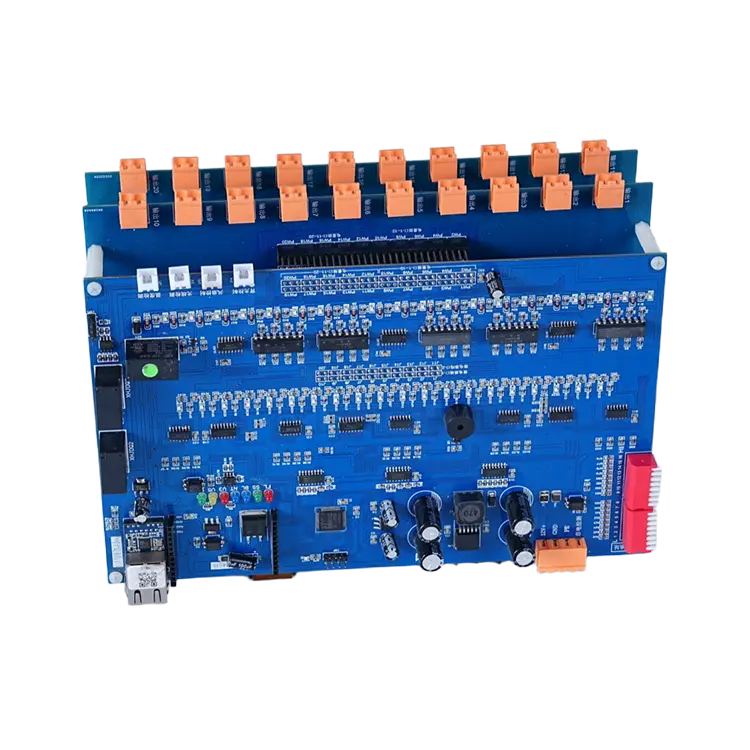
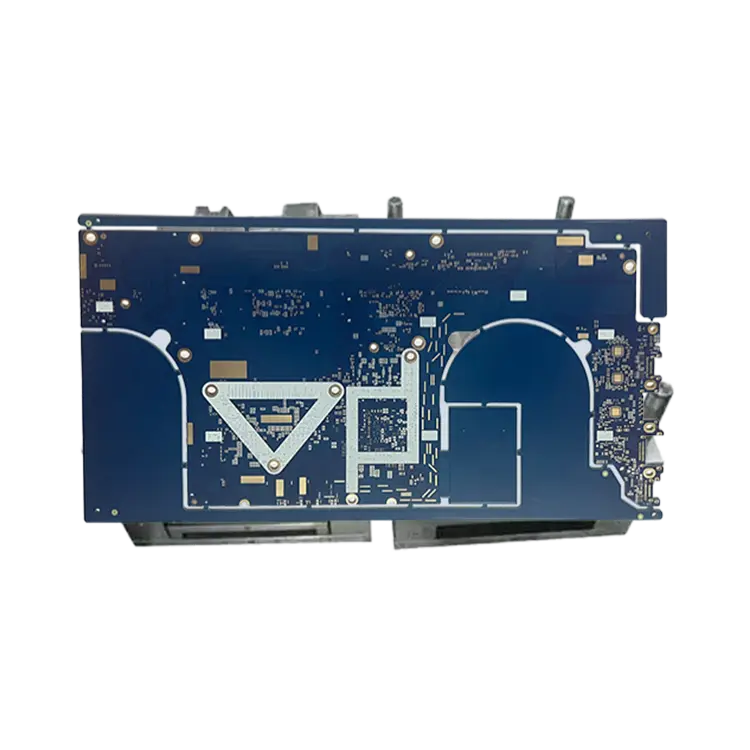
Single Layer PCB technology continues to play a vital role in modern electronics despite the rise of multi-layer solutions. From cost-sensitive consumer devices to industrial control modules, manufacturers still rely on its simplicity, reliability, and predictable performance. This article explores the fundamentals of Single Layer PCB design, addresses real customer concerns such as cost control, production speed, signal integrity, and durability, and highlights practical ways to select and implement the right board solution.

Drawing from industry manufacturing experience and production insights associated with Shenzhen Fanway Technology Co., Ltd, the discussion provides practical guidance for engineers, sourcing managers, and product developers seeking dependable PCB sourcing strategies. You will learn about materials, design optimization, application scenarios, limitations, and selection criteria to ensure your project benefits from efficiency and stability.

Single Layer PCB


Table of Contents

  • Introduction to Single Layer PCB
  • Understanding Structure and Composition
  • Benefits That Solve Common Customer Challenges
  • Typical Applications Across Industries
  • Material Options and Performance Factors
  • Design Considerations and Best Practices
  • Comparison with Multi-Layer Alternatives
  • Manufacturing Workflow Overview
  • Quality Control and Reliability Testing
  • Cost Management Strategies
  • Working with Shenzhen Fanway Technology Co., Ltd
  • Frequently Asked Questions
  • Conclusion and Next Steps

Introduction to Single Layer PCB

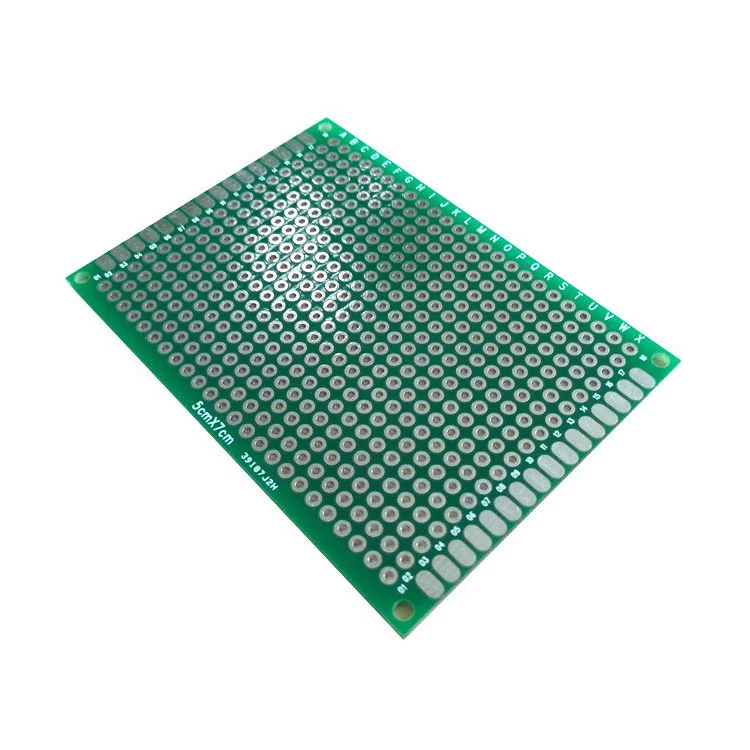
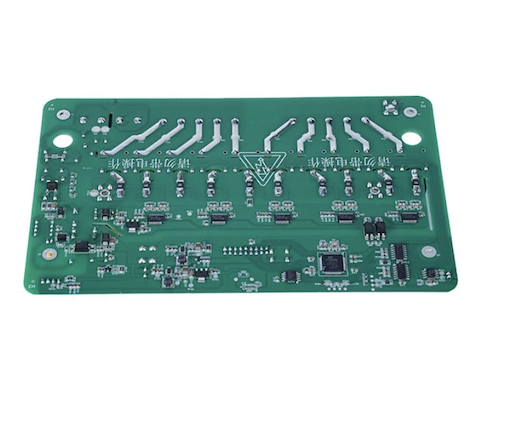
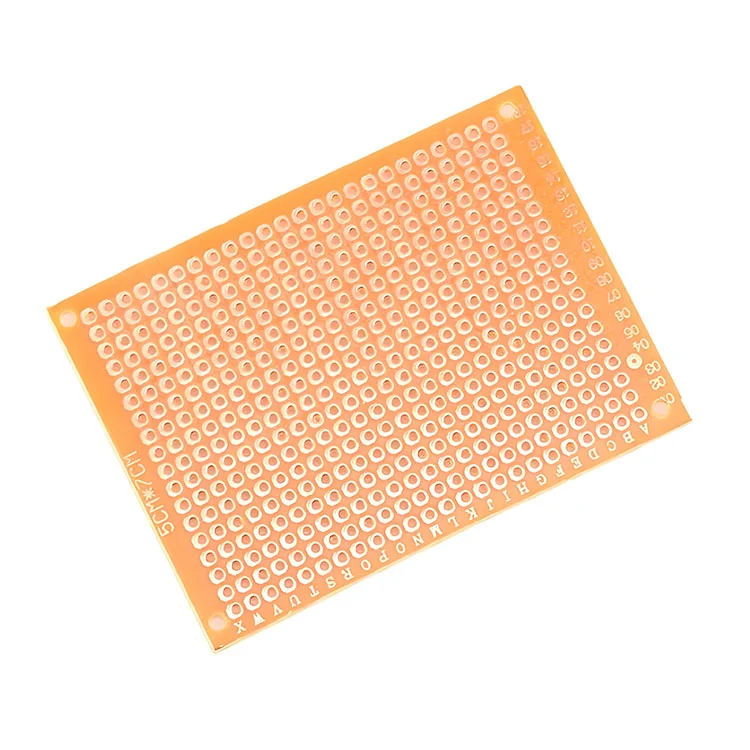
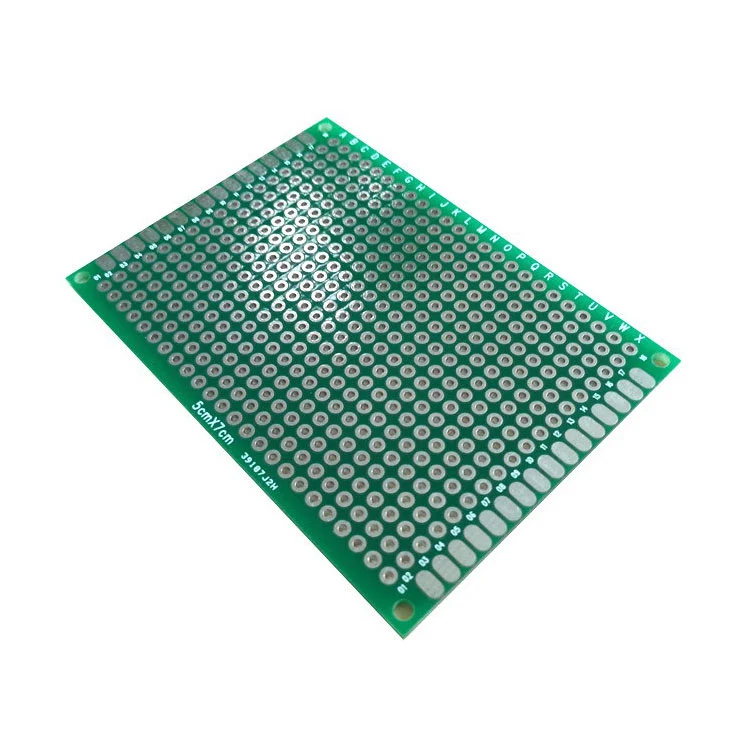
Single Layer PCB refers to a printed circuit board featuring only one conductive copper layer on a substrate. Electronic components are mounted on one side and connected through etched conductive pathways. While advanced products may require complex board structures, many devices function optimally using this straightforward architecture.

Customers frequently encounter challenges when balancing performance, cost, and production timelines. Single Layer PCB solutions address these concerns through simplified fabrication, reduced material requirements, and easy inspection procedures. Manufacturers such as Shenzhen Fanway Technology Co., Ltd leverage specialized fabrication processes to ensure these boards meet strict reliability standards while maintaining affordability.

For buyers evaluating component integration or prototyping cycles, understanding this foundational technology helps guide informed decisions that align with product specifications and lifecycle goals.


Understanding Structure and Composition

A typical Single Layer PCB consists of several integrated elements designed to provide mechanical support and electrical connectivity. Each layer contributes to durability and operational stability.

Component Description Functional Role
Substrate Usually fiberglass or phenolic resin base Provides structural support
Copper Layer Single conductive sheet Forms electrical pathways
Solder Mask Protective coating Prevents oxidation and shorts
Silkscreen Printed labeling Assists assembly identification

This straightforward structure reduces design complexity, making troubleshooting easier and ensuring stable production consistency — a key benefit valued by many sourcing professionals.


Benefits That Solve Common Customer Challenges

Customers often express concerns regarding manufacturing budget limits, maintenance simplicity, and product durability. Single Layer PCB solutions directly address these priorities through multiple advantages.

  • Lower Production Costs — Fewer materials and shorter processing times reduce expenses.
  • Fast Manufacturing Cycles — Ideal for time-sensitive launches.
  • Ease of Testing — Clear trace visibility simplifies inspection.
  • High Reliability — Minimal complexity reduces failure points.
  • Repair Accessibility — Technicians can easily identify issues.

Manufacturing partners like Shenzhen Fanway Technology Co., Ltd apply optimized workflow controls that further improve yield rates and reduce turnaround time, ensuring customers experience dependable supply continuity.


Typical Applications Across Industries

Single Layer PCB technology remains widely adopted across numerous sectors where circuit density requirements are moderate.

  • Household appliances
  • LED lighting modules
  • Power supply units
  • Industrial timers
  • Consumer audio devices
  • Automotive accessory systems

These applications demonstrate that high functionality does not always require complex layering, especially when signal routing needs remain manageable.


Material Options and Performance Factors

Material selection directly influences mechanical stability and electrical behavior. Choosing the appropriate substrate helps ensure long-term device performance.

Material Type Advantages Typical Usage
FR-4 Balanced durability and cost General electronics
Phenolic Budget-friendly Simple consumer products
Aluminum Base Heat dissipation LED systems

Consulting manufacturing specialists such as Shenzhen Fanway Technology Co., Ltd allows customers to match material characteristics with project requirements efficiently.


Design Considerations and Best Practices

Design optimization significantly affects board performance and manufacturability. Engineers should evaluate routing paths, spacing, and thermal considerations early in development.

  • Maintain proper trace width
  • Minimize sharp angles
  • Optimize component placement
  • Ensure adequate grounding paths
  • Account for heat distribution

Strategic planning reduces redesign cycles and helps prevent production delays.


Comparison with Multi-Layer Alternatives

Factor Single Layer PCB Multi-Layer PCB
Cost Lower Higher
Design Complexity Simple Advanced
Signal Density Limited High
Manufacturing Time Short Longer

This comparison assists customers in aligning board selection with product expectations and investment plans.


Manufacturing Workflow Overview

Production typically follows standardized stages ensuring precision and consistency.

  • Layout verification
  • Substrate preparation
  • Copper etching
  • Solder mask application
  • Inspection and testing

Advanced process management at Shenzhen Fanway Technology Co., Ltd ensures each step meets rigorous performance expectations and reliability benchmarks.


Quality Control and Reliability Testing

Reliable electronics require strict evaluation protocols. Testing procedures validate electrical continuity and physical resilience.

  • Visual inspection
  • Electrical continuity checks
  • Thermal stress simulation
  • Mechanical integrity evaluation

These measures safeguard long-term operational stability and user confidence.


Cost Management Strategies

Managing production budgets without sacrificing performance remains a major purchasing priority. Strategic approaches include:

  • Standardizing board dimensions
  • Choosing widely available materials
  • Optimizing order volume
  • Collaborating with experienced manufacturers

Partnerships with established suppliers such as Shenzhen Fanway Technology Co., Ltd often yield significant efficiency gains and predictable budgeting outcomes.


Working with Shenzhen Fanway Technology Co., Ltd

Selecting a manufacturing partner influences project success. With extensive fabrication capabilities and engineering expertise, Shenzhen Fanway Technology Co., Ltd supports clients through consultation, prototyping, and mass production phases. Their technical resources help ensure material compatibility, layout accuracy, and quality consistency.

By integrating advanced inspection procedures and streamlined coordination processes, the company helps customers reduce risk and maintain steady supply schedules across diverse industry sectors.


Frequently Asked Questions

Q: Is Single Layer PCB suitable for complex electronics?

A: It is ideal for circuits with moderate routing needs. Highly complex signal architectures may require multi-layer solutions.

Q: How long does manufacturing usually take?

A: Production cycles are typically shorter due to simplified processing steps, especially when designs are finalized.

Q: Can heat-sensitive applications use this board type?

A: Yes, selecting aluminum-based substrates improves thermal dissipation for demanding environments.

Q: What factors influence durability?

A: Material choice, layout precision, and coating quality all contribute to longevity.

Q: How do I start a project inquiry?

A: Sharing design specifications with experienced manufacturers ensures accurate evaluation and guidance.


Conclusion and Next Steps

Single Layer PCB technology continues to offer dependable solutions for electronics requiring stability, efficiency, and cost-conscious manufacturing. Understanding structural design, material selection, and application alignment allows decision-makers to achieve optimal outcomes without unnecessary complexity.

If you are planning a new electronic product or evaluating sourcing strategies, partnering with an experienced manufacturer can make a significant difference. The engineering and production capabilities of Shenzhen Fanway Technology Co., Ltd are ready to support your development journey — contact us today to discuss your requirements and discover tailored solutions designed to help your project succeed.

Related News
Leave me a message
X
We use cookies to offer you a better browsing experience, analyze site traffic and personalize content. By using this site, you agree to our use of cookies. Privacy Policy
Reject Accept