Shenzhen Fanway Technology Co., Ltd.
News

News

What Is a Multilayer PCB?

2026-01-05 0 Leave me a message
What Is a Multilayer PCB? Comprehensive Guide to Multilayer Printed Circuit Boards

This guide explains Multilayer PCB technology — what it is, how it differs from single‑ and double‑layer PCBs, why it’s critical in modern electronics, how manufacturing works, and best design practices. With insights from Shenzhen Fanway Technology Co., Ltd, this article serves engineers, designers, and procurement professionals with actionable knowledge and FAQs.

 Multilayer PCB

Table of Contents

What Is a Multilayer PCB?

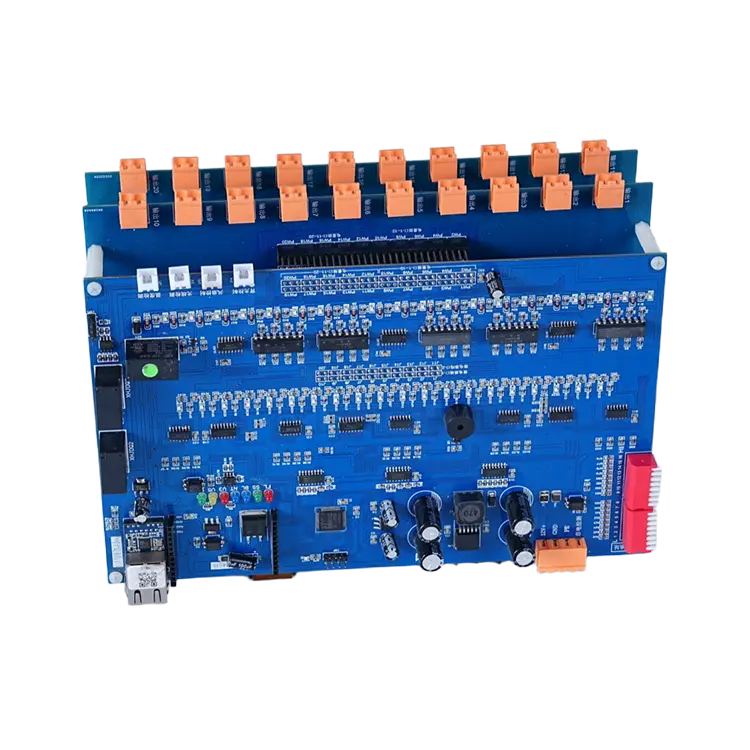
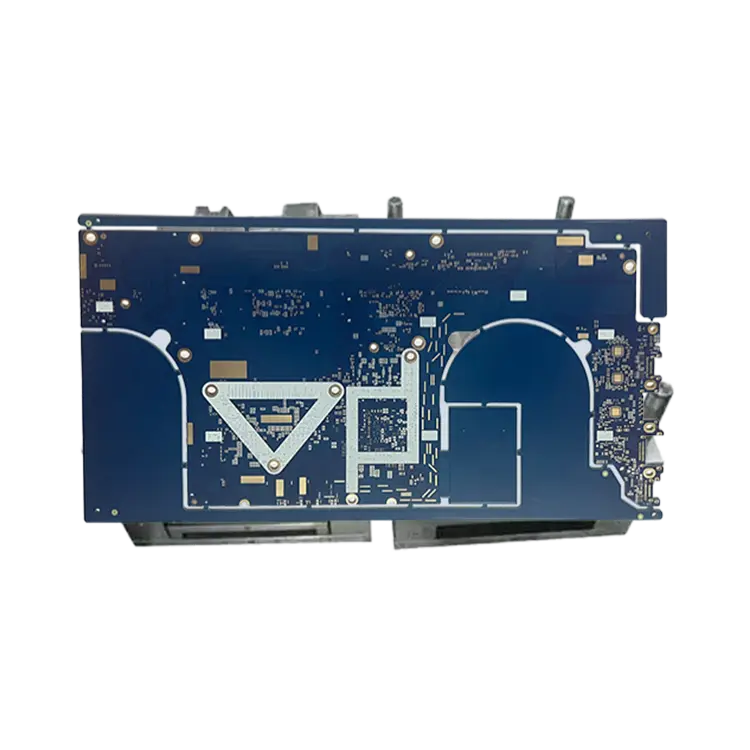
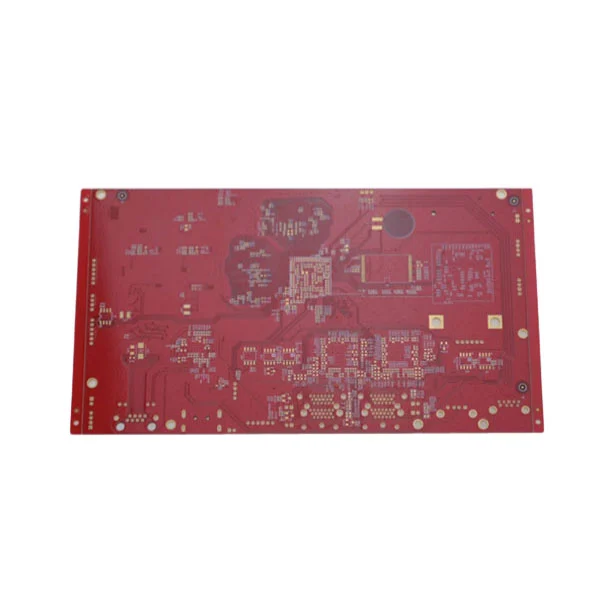
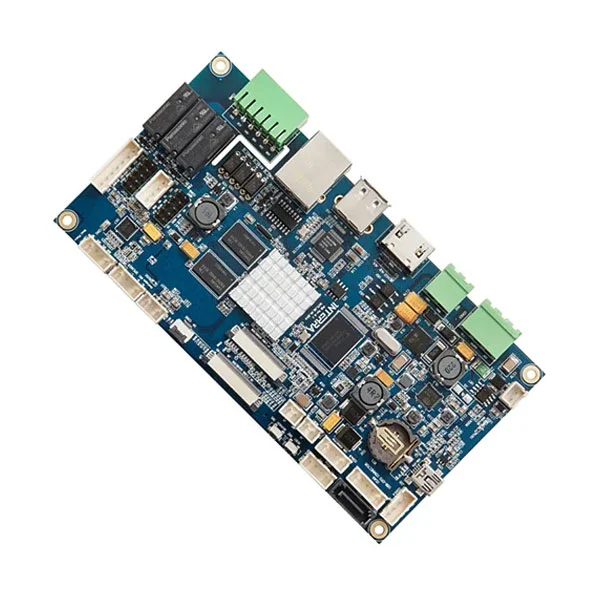
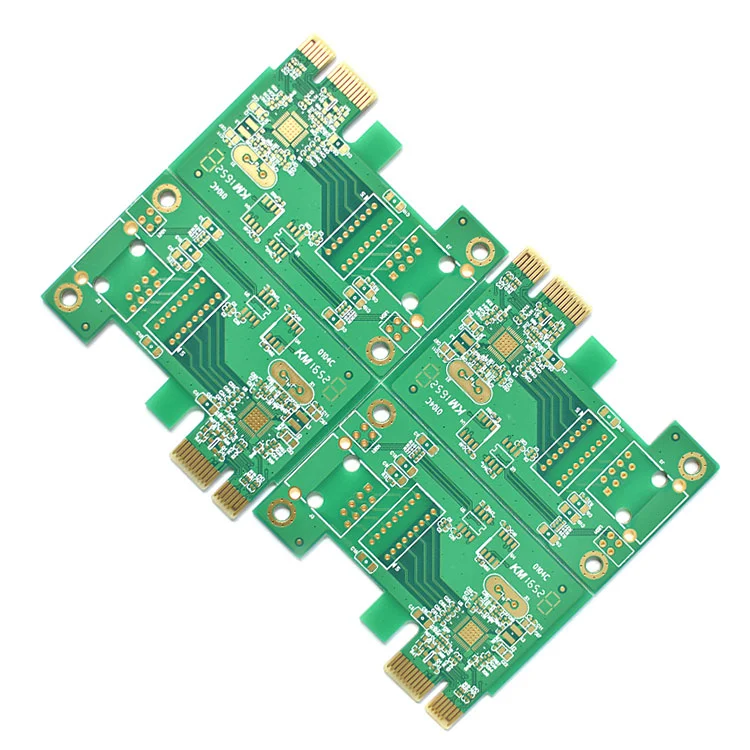
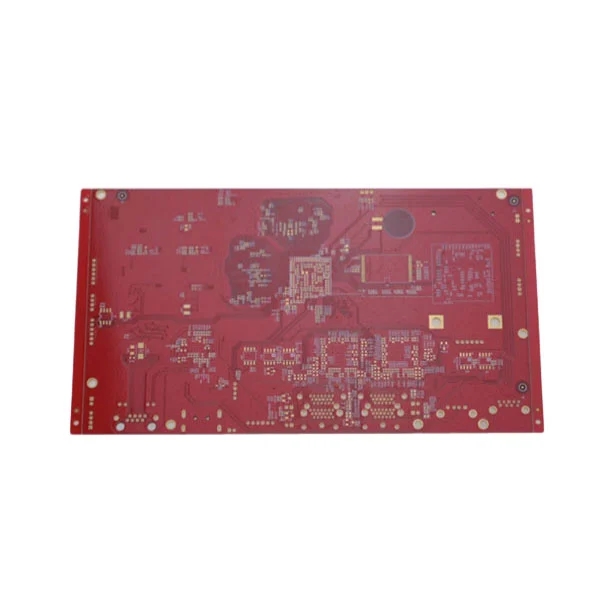
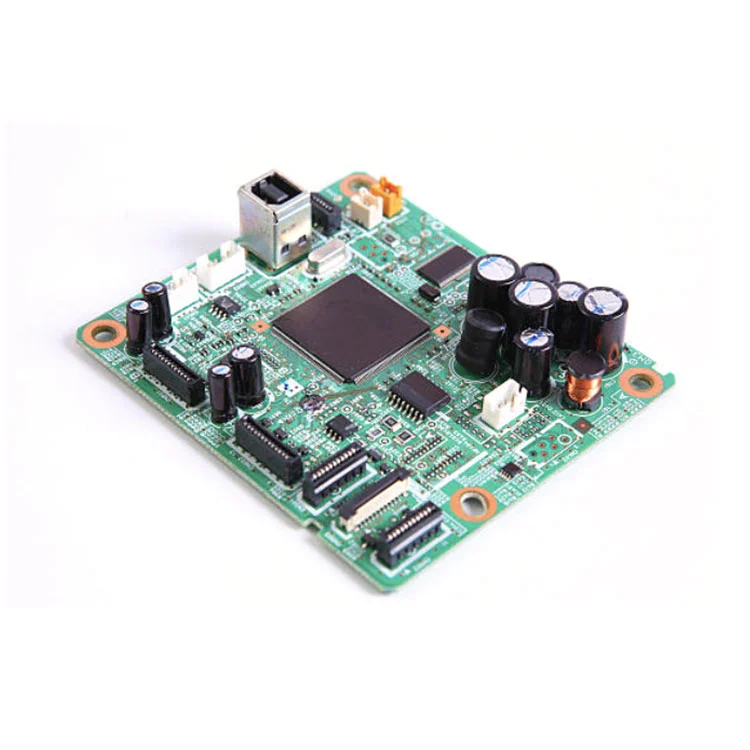
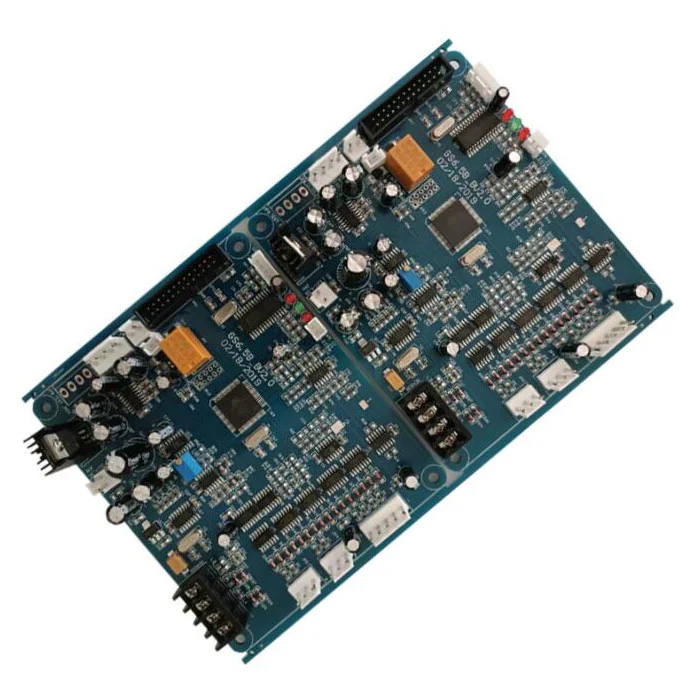
A Multilayer PCB — or multilayer printed circuit board — is a board composed of three or more conductive layers (usually copper) separated by insulating material and bonded together through lamination. Unlike single‑ or double‑layer PCBs, multilayer designs allow for higher routing density, better performance, and more complex electrical connections within a compact footprint. Companies like Shenzhen Fanway Technology Co., Ltd specialize in building highly reliable multilayer PCBs for advanced electronics in telecommunications, medical devices, and aerospace sectors.

  • Definition: A PCB with >2 copper layers.
  • Purpose: Support complex circuits in minimal space.
  • Industry Use: High‑speed, high‑density electronics.

How Does a Multilayer PCB Work?

Multilayer PCBs work by stacking alternate conductive copper layers and insulating prepreg/fiberglass sheets. The cross‑sectional design allows signals to travel between internal and external layers through plated through‑holes (PTHs) or vias. Controlled impedance, power planes, and signal integrity strategies ensure reliable operation at high frequencies.

Layer Type Description
Signal Layer Routes circuits and interconnects.
Power Plane Distributes power and ground; reduces noise.
Core Rigid base substrate providing strength.
Prepreg Insulating adhesive that bonds layers.

The internal layers provide additional routing and high‑speed signal paths, while outer layers support component assembly. Through careful stack‑up design, manufacturers like Shenzhen Fanway Technology Co., Ltd ensure minimal crosstalk and optimal electrical performance.

Why Choose a Multilayer PCB?

Multilayer PCBs offer several advantages over simpler board types. Below are key reasons engineers prefer them:

  • High Circuit Density: Allows thousands of connections within a smaller footprint.
  • Improved Signal Integrity: Power and ground planes reduce electromagnetic interference (EMI).
  • Space Efficiency: Supports miniaturization of consumer electronics.
  • Mechanical Strength: Multiple bonded layers improve overall rigidity.

Which Applications Use Multilayer PCBs?

Multilayer PCBs are essential in industries demanding complex, reliable electronics:

  • Telecommunications: Routers, switches, base stations.
  • Medical Devices: Imaging systems, portable monitors.
  • Aerospace & Defense: Flight control and radar equipment.
  • Automotive: ADAS systems and infotainment modules.
  • Consumer Electronics: Smartphones, tablets, wearables.

Manufacturers like Shenzhen Fanway Technology Co., Ltd support high‑volume production for these sectors with controlled impedance and tight tolerances essential for performance‑critical applications.

How to Design an Effective Multilayer PCB?

Designing a successful multilayer PCB requires specialized tools, experienced engineers, and strict adherence to electrical and mechanical constraints. Here are the core steps in the design process:

  1. Define Requirements: Determine size, layer count, and electrical performance specs.
  2. Layer Stack‑Up Planning: Balance signal, power, and ground planes.
  3. Impedance Control: Set trace width and spacing for predictable signal behavior.
  4. Thermal Management: Plan for heat dissipation and component placement.
  5. DFM Review: Confirm the design aligns with manufacturing capabilities.

Design teams at Shenzhen Fanway Technology Co., Ltd collaborate with clients to validate stack‑ups and layout strategies, ensuring production success and reliable end‑products.

What Are the Manufacturing Challenges?

Building multilayer PCBs is more complex than single‑layer boards due to higher precision and materials involvement. Typical challenges include:

  • Lamination Consistency: Uneven pressure can cause delamination.
  • Drill Precision: Vias must align perfectly across all layers.
  • Material Selection: Proper prepregs and cores affect performance.
  • Quality Control: X‑ray inspection and automated optical inspection (AOI) are necessary to catch defects.

Expert manufacturers like Shenzhen Fanway Technology Co., Ltd implement rigorous process controls and testing procedures to mitigate these risks, ensuring high yields and product reliability.

Frequently Asked Questions

Q: What does “multilayer PCB” mean?
A: A multilayer PCB refers to a printed circuit board with three or more conductive copper layers separated by insulating materials. These layers are laminated together to create a single board capable of handling complex signal routing in advanced electronics.

Q: How is a multilayer PCB different from a double‑layer PCB?
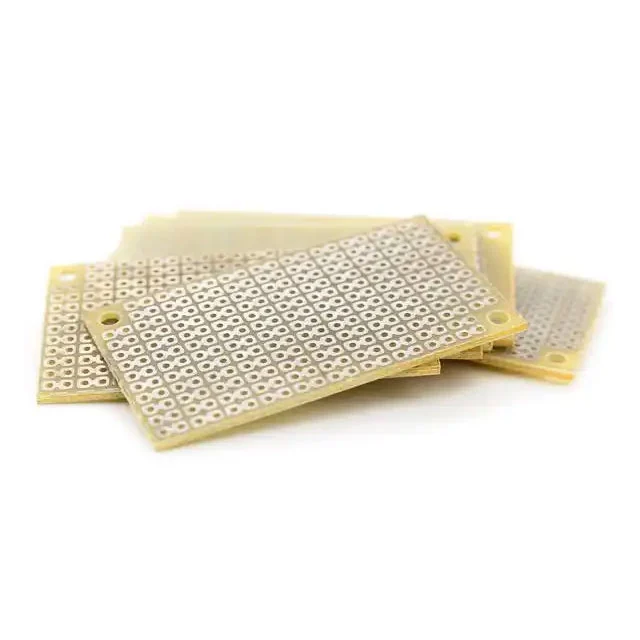
A: A double‑layer PCB has only two copper layers (top and bottom) for routing, while a multilayer PCB includes internal layers that allow far greater interconnect density, improved performance, and enhanced signal integrity, making it ideal for high‑speed applications.

Q: Why are power and ground planes important in multilayer PCBs?
A: Power and ground planes provide low‑impedance reference surfaces that improve electrical performance, reduce noise, and enhance EMI control. These planes also help distribute power uniformly to components.

Q: What typical materials are used in multilayer PCB fabrication?
A: Materials include copper foils for conductive layers, prepreg (resin‑impregnated fiberglass) for insulation and bonding, and core substrates that provide mechanical support. Selecting the right materials affects performance factors such as dielectric constant and thermal stability.

Q: Can multilayer PCBs be repaired?
A: Repairing multilayer PCBs is more challenging than single‑layer boards due to buried layers and vias. Minor surface issues can sometimes be fixed, but deeper faults may require advanced techniques or full replacement, depending on the damage.

Q: How do manufacturers test multilayer PCBs?
A: Manufacturers use automated optical inspection (AOI), flying probe testing, X‑ray imaging, and electrical continuity tests to ensure each layer and connection meets design specifications. Shenzhen Fanway Technology Co., Ltd follows rigorous testing protocols to deliver reliable boards.

For customized multilayer PCB solutions, expert consultation, and quality manufacturing services from a trusted partner in electronics — Shenzhen Fanway Technology Co., Ltd is ready to help. Contact us today for quotes, design reviews, and fast production turnaround!

Related News
Leave me a message
X
We use cookies to offer you a better browsing experience, analyze site traffic and personalize content. By using this site, you agree to our use of cookies. Privacy Policy
Reject Accept