Shenzhen Fanway Technology Co., Ltd.
News

News

What Makes Ceramic PCB the Ideal Choice for High-Performance Electronics?

2026-01-15 0 Leave me a message
What Makes Ceramic PCB the Ideal Choice for High-Performance Electronics?

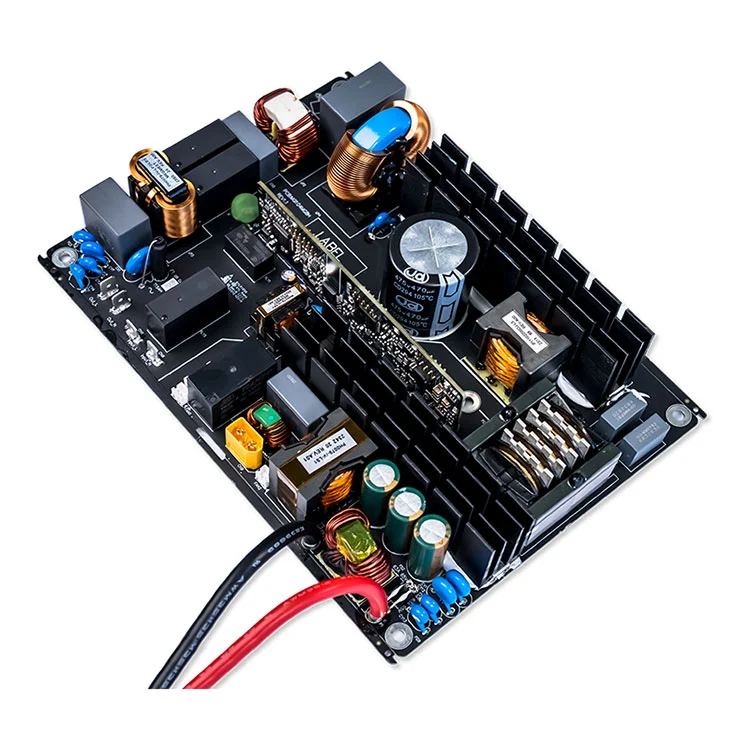
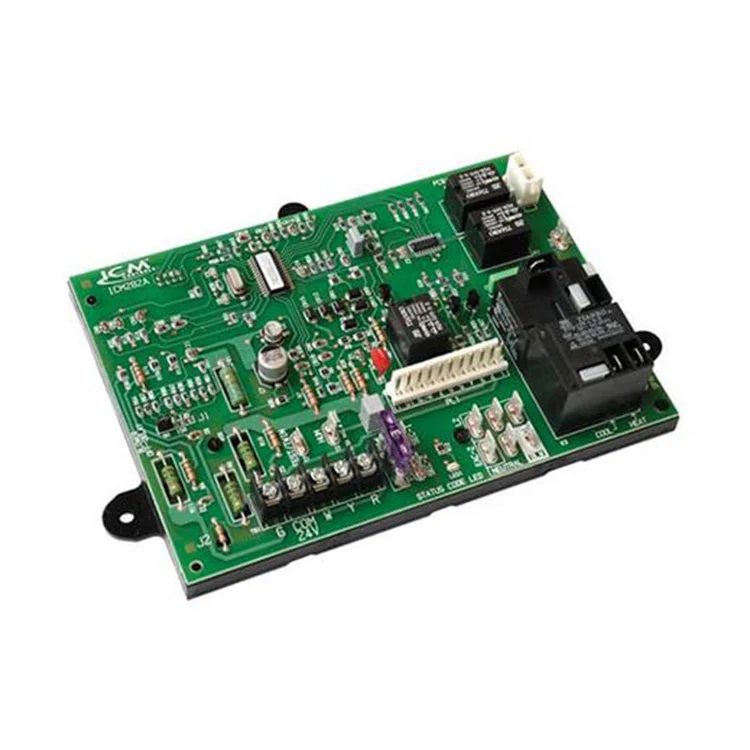
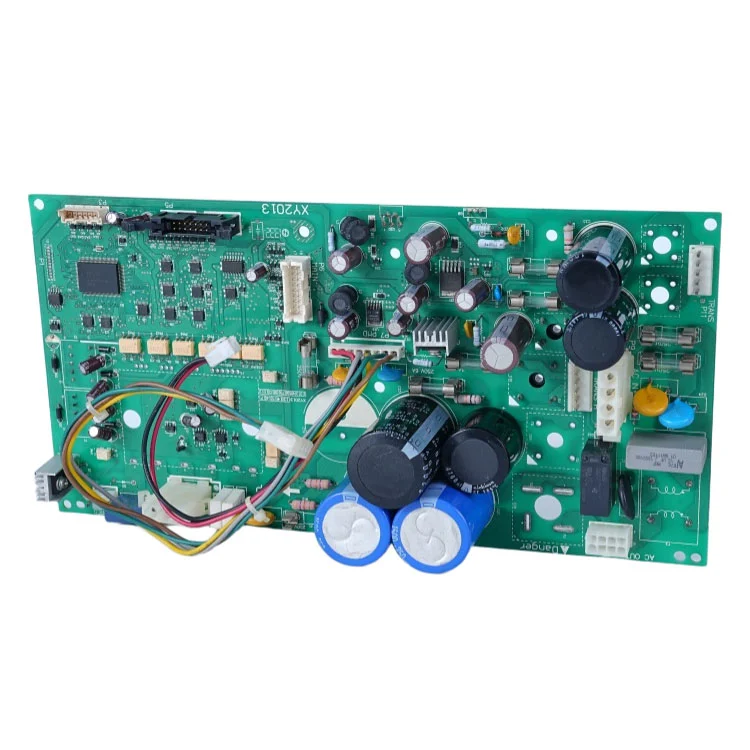
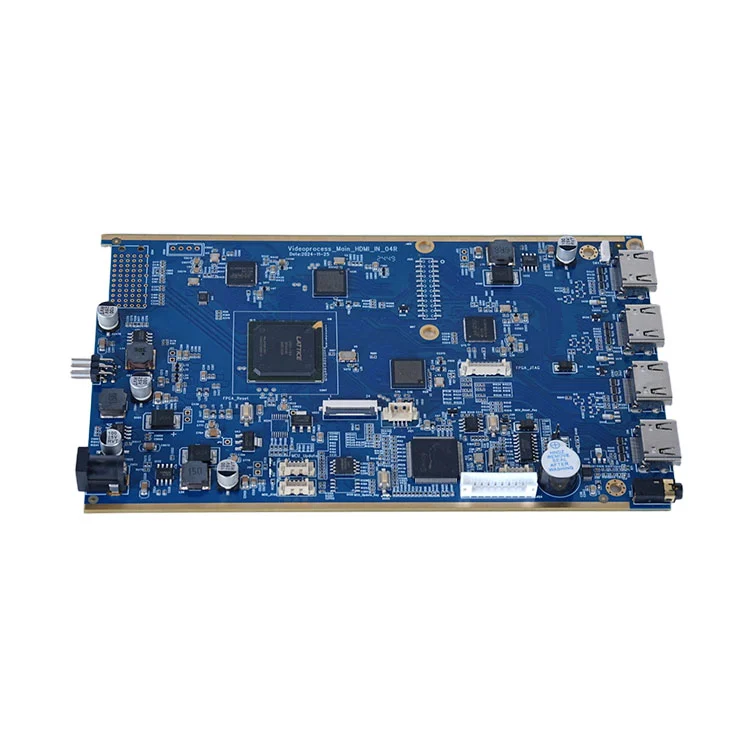
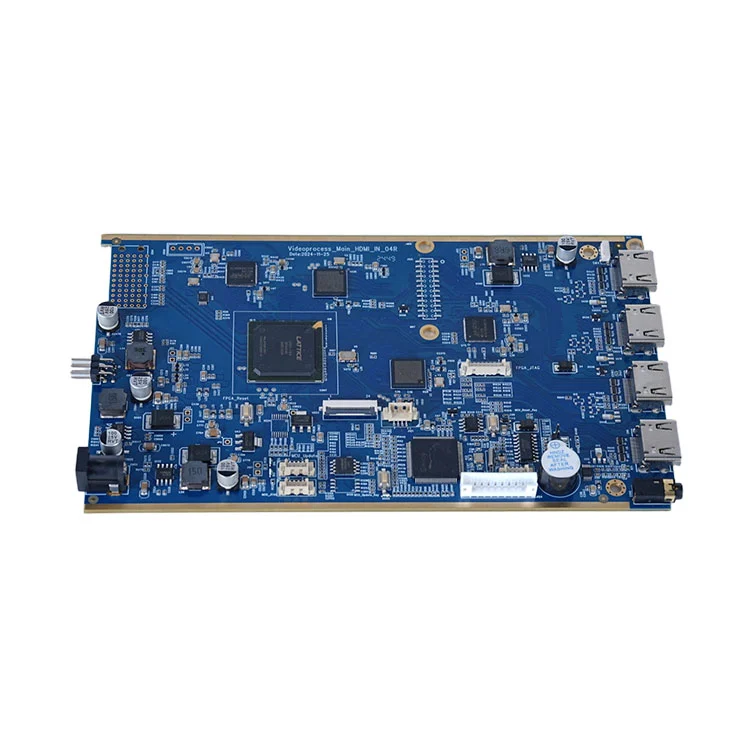
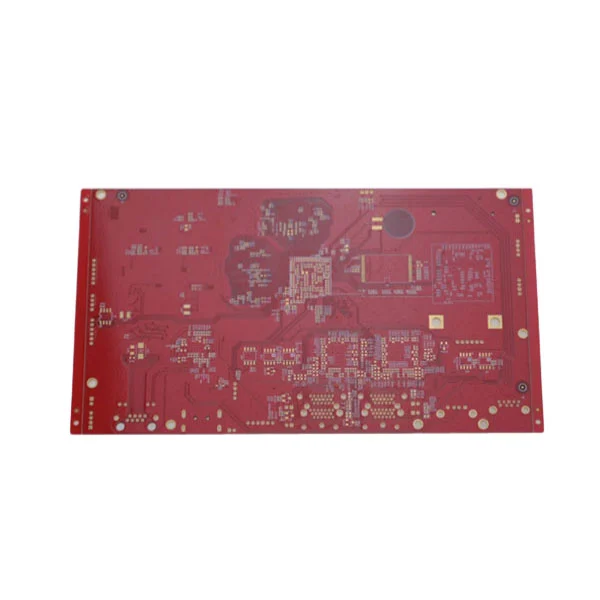
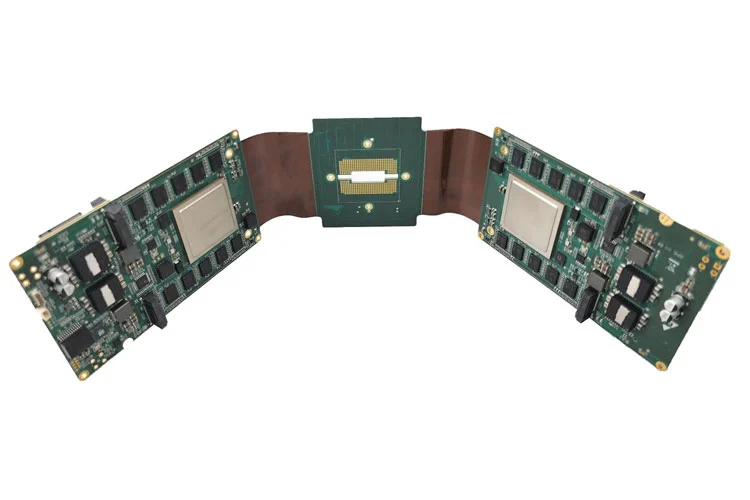
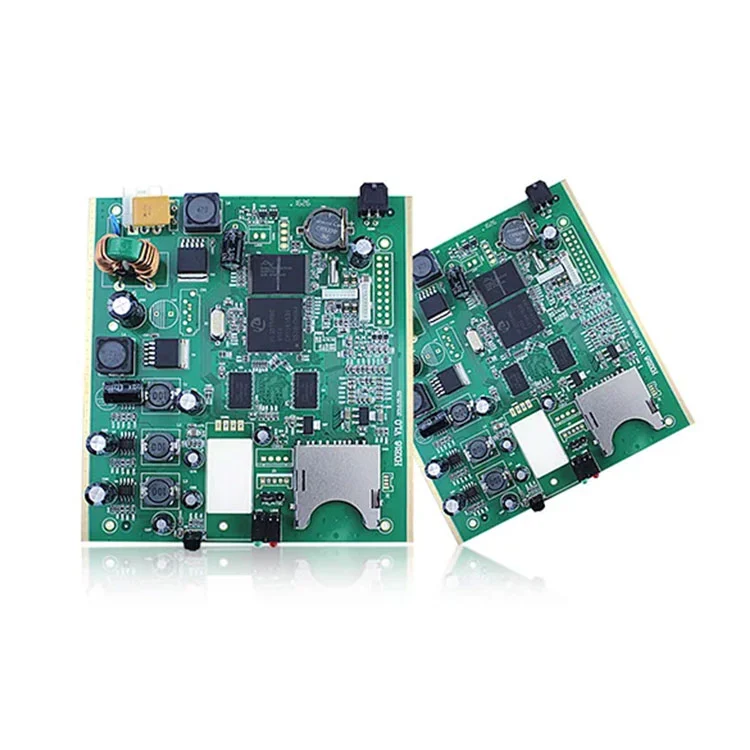
Ceramic PCB has emerged as a game-changer in modern electronics, offering superior thermal management, high reliability, and remarkable durability. Shenzhen Fanway Technology Co., Ltd has been at the forefront of delivering advanced ceramic PCB solutions tailored to industries requiring exceptional performance, such as aerospace, automotive, and LED lighting.

Ceramic PCB


Table of Contents

  1. What is a Ceramic PCB?
  2. Why Should You Choose Ceramic PCB Over Traditional PCBs?
  3. What Are the Key Advantages and Disadvantages of Ceramic PCB?
  4. How Are Ceramic PCBs Manufactured?
  5. Which Applications Benefit Most from Ceramic PCB?
  6. FAQ: Common Questions About Ceramic PCB
  7. Conclusion

What is a Ceramic PCB?

Ceramic PCBs, also known as ceramic printed circuit boards, are specialized electronic boards made using ceramic materials like alumina (Al2O3), aluminum nitride (AlN), and silicon nitride (Si3N4) as substrates. Unlike traditional FR-4 or metal core PCBs, ceramic PCBs excel in high-temperature applications and have superior thermal conductivity, making them ideal for power electronics, LEDs, and RF circuits.


Why Should You Choose Ceramic PCB Over Traditional PCBs?

Choosing ceramic PCB over conventional materials provides distinct advantages, particularly in demanding environments. Shenzhen Fanway Technology Co., Ltd has highlighted these benefits in numerous client projects, emphasizing:

  • Thermal Management: Ceramic PCBs can dissipate heat more efficiently than FR-4, reducing the risk of component failure.
  • Electrical Insulation: Ceramics are excellent insulators while allowing efficient heat transfer.
  • High Reliability: With minimal thermal expansion, ceramic PCBs maintain stability under extreme conditions.
  • Compact Designs: Allowing higher power density in smaller footprints.

What Are the Key Advantages and Disadvantages of Ceramic PCB?

Aspect Advantages Disadvantages
Thermal Conductivity Excellent heat dissipation, ideal for high-power devices. More expensive than traditional FR-4 boards.
Durability High mechanical strength and chemical resistance. Brittle, prone to cracking under severe mechanical stress.
Electrical Performance Low dielectric loss, suitable for RF applications. Complex manufacturing process increases lead time.
Size Flexibility Supports compact and dense layouts. Limited flexibility compared to polymer-based PCBs.

How Are Ceramic PCBs Manufactured?

The manufacturing process of ceramic PCB involves several precise steps to ensure high performance and reliability:

  1. Material Selection: Choose the right ceramic substrate like alumina or aluminum nitride based on thermal requirements.
  2. Screen Printing: Apply conductive traces using silver, gold, or copper pastes.
  3. Firing Process: Sinter the ceramic board at high temperatures to solidify the structure.
  4. Metallization: Enhance circuit connectivity through thick or thin-film metallization.
  5. Assembly: Mount components using soldering techniques suitable for high-temperature boards.

Shenzhen Fanway Technology Co., Ltd offers advanced ceramic PCB manufacturing capabilities with strict quality control to ensure excellent performance for all client applications.


Which Applications Benefit Most from Ceramic PCB?

Ceramic PCBs are versatile and have a wide range of applications where thermal management, reliability, and durability are critical:

  • LED Lighting: Enhanced heat dissipation extends the lifespan of high-power LEDs.
  • Power Electronics: Used in converters, inverters, and high-current circuits.
  • RF and Microwave: Low dielectric loss ensures signal integrity.
  • Aerospace and Automotive: Withstands extreme temperatures and mechanical stress.
  • Medical Devices: Reliable in sensitive diagnostic and therapeutic equipment.

FAQ: Common Questions About Ceramic PCB

Q1: What materials are commonly used for ceramic PCBs?
A1: The most common materials include alumina (Al2O3), aluminum nitride (AlN), and silicon nitride (Si3N4). Each material offers different levels of thermal conductivity and mechanical strength suitable for specific applications.

Q2: How does the cost of ceramic PCBs compare to standard FR-4 PCBs?
A2: Ceramic PCBs are generally more expensive due to the cost of raw materials and the complex manufacturing process. However, the investment is justified in high-power or high-reliability applications where performance and longevity are critical.

Q3: Can ceramic PCBs be used in flexible electronics?
A3: Ceramic PCBs are rigid and brittle, making them unsuitable for flexible electronics. For applications requiring bending or flexing, alternative flexible PCB materials are recommended.

Q4: How does Shenzhen Fanway Technology Co., Ltd ensure the quality of ceramic PCBs?
A4: Shenzhen Fanway Technology Co., Ltd employs strict quality control procedures including material inspection, precision printing, high-temperature sintering, and final testing to guarantee that every ceramic PCB meets rigorous industry standards.

Q5: Are ceramic PCBs environmentally friendly?
A5: Yes, ceramic PCBs are generally more environmentally friendly because they use inorganic, recyclable materials and have longer lifespans, reducing electronic waste.


Conclusion

Ceramic PCBs offer unmatched thermal management, reliability, and electrical performance for advanced electronics applications. Shenzhen Fanway Technology Co., Ltd continues to innovate in this space, delivering high-quality ceramic PCB solutions tailored to client needs. Whether you are in LED lighting, aerospace, automotive, or RF electronics, ceramic PCBs provide a robust foundation for high-performance designs.

For further inquiries or to explore custom ceramic PCB solutions, contact us today and let Shenzhen Fanway Technology Co., Ltd support your next project.

Related News
Leave me a message
X
We use cookies to offer you a better browsing experience, analyze site traffic and personalize content. By using this site, you agree to our use of cookies. Privacy Policy
Reject Accept